Kitchen chaos usually is not caused by a lack of storage space, it happens because everyday items are stored too far from where you actually use them.
That extra walking, reaching, bending, and backtracking quietly turns simple cooking tasks into a slower and more frustrating routine.
A better approach is to organize your kitchen by distance, keeping frequently used tools and ingredients closest to their main work zones.
In this article, you’ll find kitchen organization hacks built around a distance-based, zone-matching system that helps reduce motion waste and make everyday cooking easier.
Let’s jump in!
Why Does Cooking Feel Chaotic?
A fully stocked kitchen can still feel chaotic when items are placed wherever space is available instead of where they are actually used.
Explain that organization should depend on usage frequency, because everyday tools and ingredients need easier access than occasional items.
Show how poor placement creates repeated walking, bending, reaching, & cabinet-opening during even simple cooking tasks.
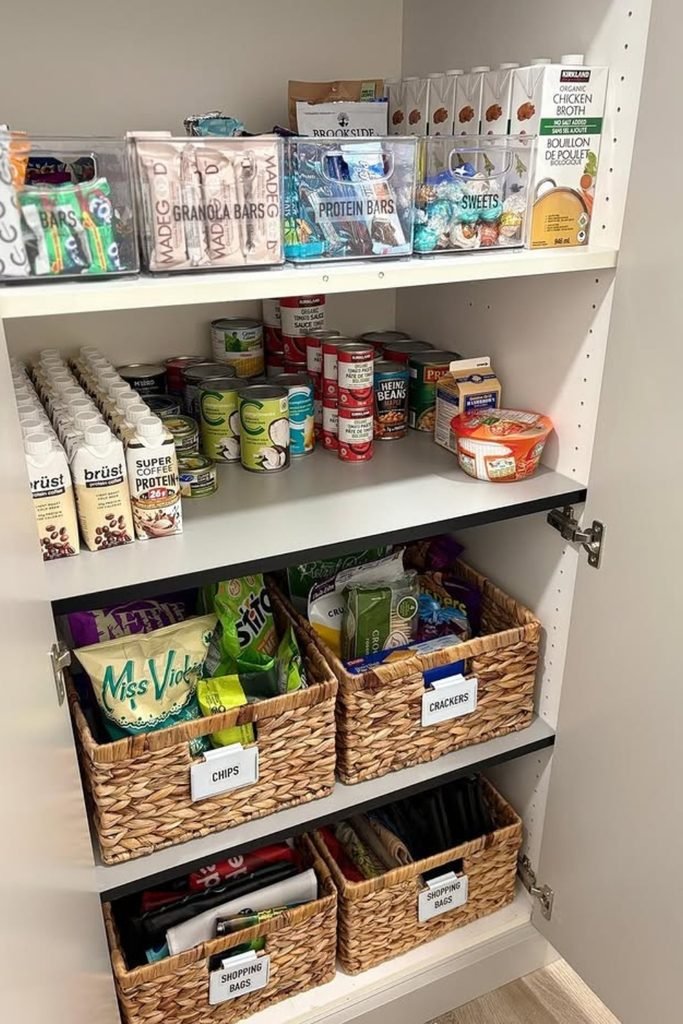
Include examples like daily spices stored across the kitchen or frequently used pans kept in low, hard-to-reach cabinets.
Connect this directly to motion waste: the kitchen has enough items and storage, but their locations make cooking unnecessarily inefficient.
Introduce the Distance-Frequency Mismatch
Introduce the “distance-frequency mismatch” as the gap between how often an item is used & how far away it is stored.
Explain that frequently used items create more wasted motion when they sit across the kitchen, on high shelves, or inside low cabinets.
Show how small unnecessary movements multiply because the same tools, ingredients, & utensils may be reached for several times during cooking.
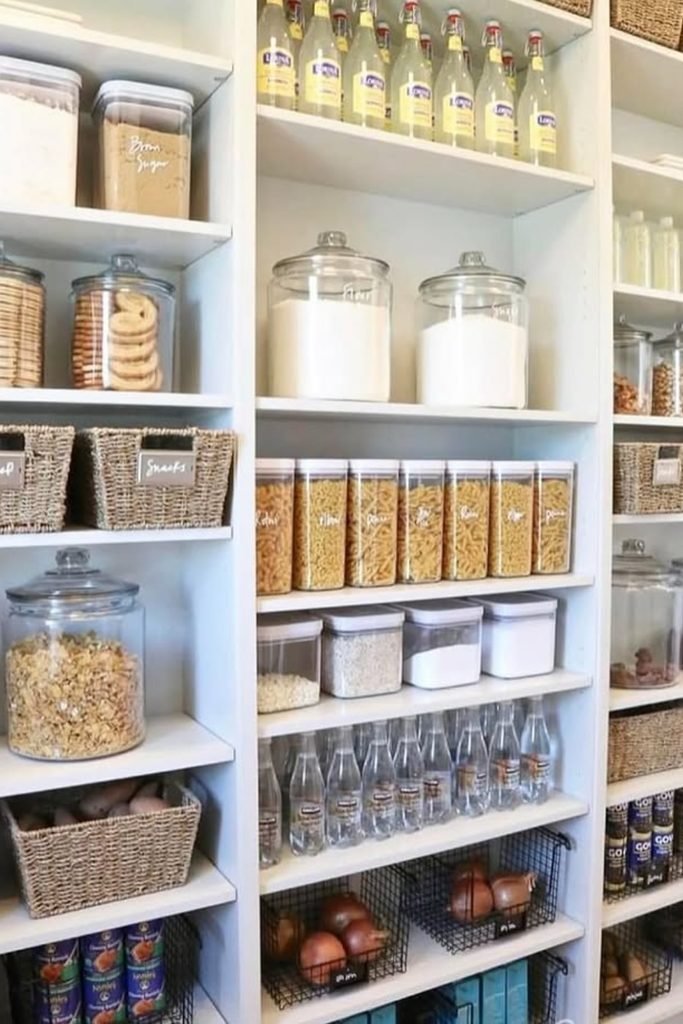
Clarify that this problem comes from kitchen layout & item placement rather than someone being slow, or disorganized.
Include simple examples, such as cooking oil far from the stove or knives stored away from the main prep surface.
End by establishing the core rule: the more frequently something is used, the shorter and easier its travel distance should be.
Kitchen’s Work Triangle
The sink, stove, and fridge form the kitchen’s main movement triangle, so storage should support the tasks happening around each point.
Instead of filling cabinets randomly, place items according to where they are most often picked up, used, and returned
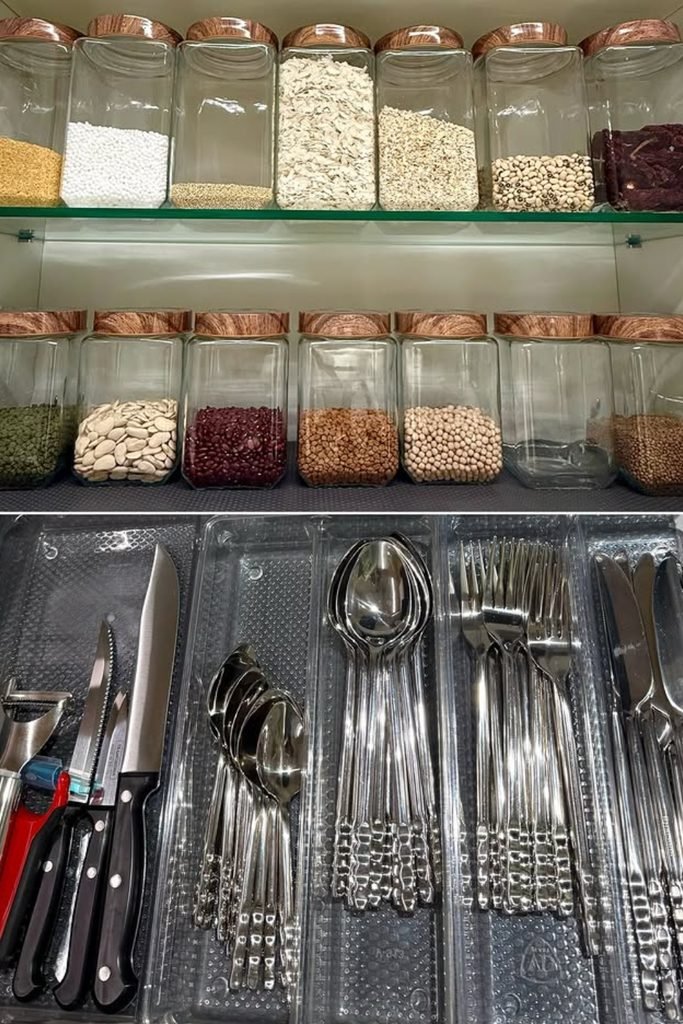
This keeps frequently used tools inside the shortest possible movement path and prevents repeated trips across the kitchen while cooking.
You can think of each triangle point as a storage anchor, with everyday items kept closest & less-used items pushed farther away.
1. Near-Stove Zone
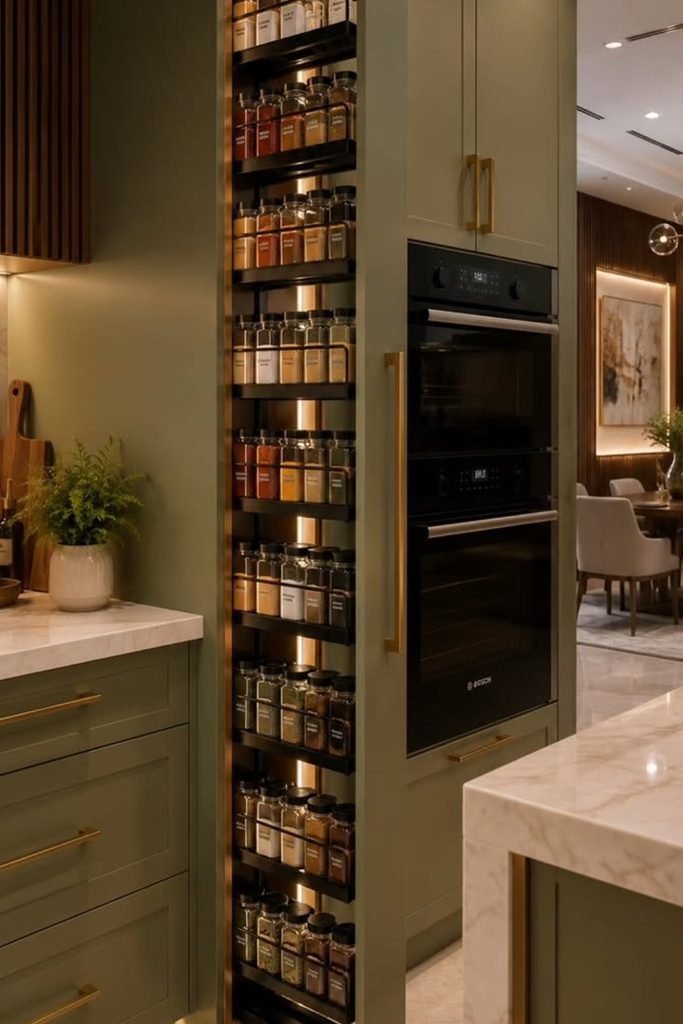
Keep everyday cooking tools like spatulas, wooden spoons, cooking oil, and frequently used spices within easy reach of the stove.
The goal is to grab what you need without stepping away from the cooking area or interrupting what is happening in the pan.
Reserve the closest drawers, countertop space, or cabinets for items you reach for repeatedly during most cooking sessions.
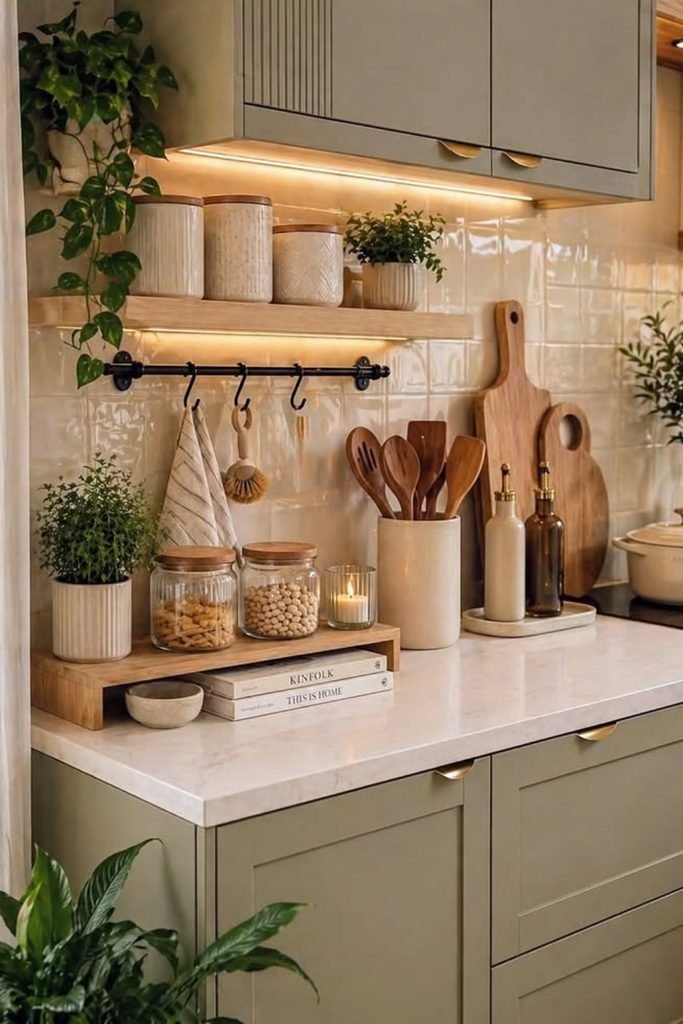
2. Near-Sink Zone
Store washing and prep tools such as colanders, cutting boards, peelers, and cleaning supplies close to the sink area.
These items are usually needed before, during, or immediately after rinsing ingredients, so extra walking adds unnecessary motion.
Keeping them nearby creates a smoother wash-prep-clean sequence without carrying wet ingredients or tools across the kitchen.
3. Near-Fridge Zone
Keep food containers, reusable bags, wraps, and similar storage supplies close to the refrigerator whenever the layout allows it.
These items are commonly needed when putting leftovers away, packing ingredients, or returning opened food directly to the fridge.
Placing them nearby reduces back-and-forth movement between the refrigerator and a distant drawer or cabinet after meals.
4. Far Zone (Low-Frequency Storage)
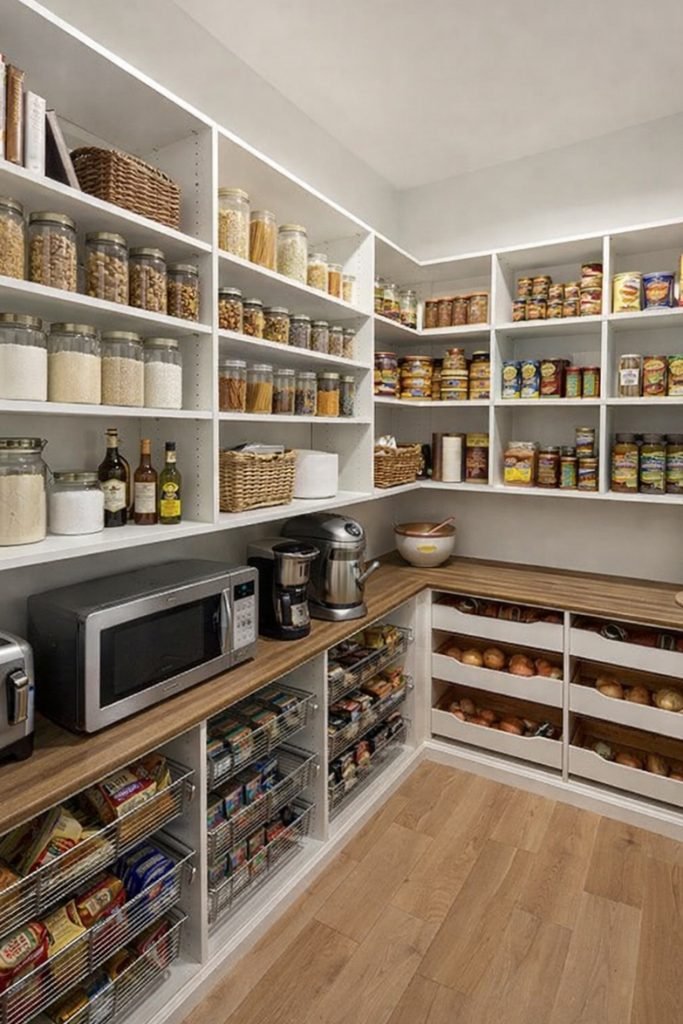
Use higher shelves, deeper cabinets, or farther storage areas for appliances and tools that you only need occasionally.
Items like specialty blenders, baking trays, serving platters, or seasonal equipment do not need valuable easy-reach storage space.
Moving low-frequency items outward frees the most convenient locations for tools that would otherwise create repeated daily motion waste.
Organize by Use Frequency
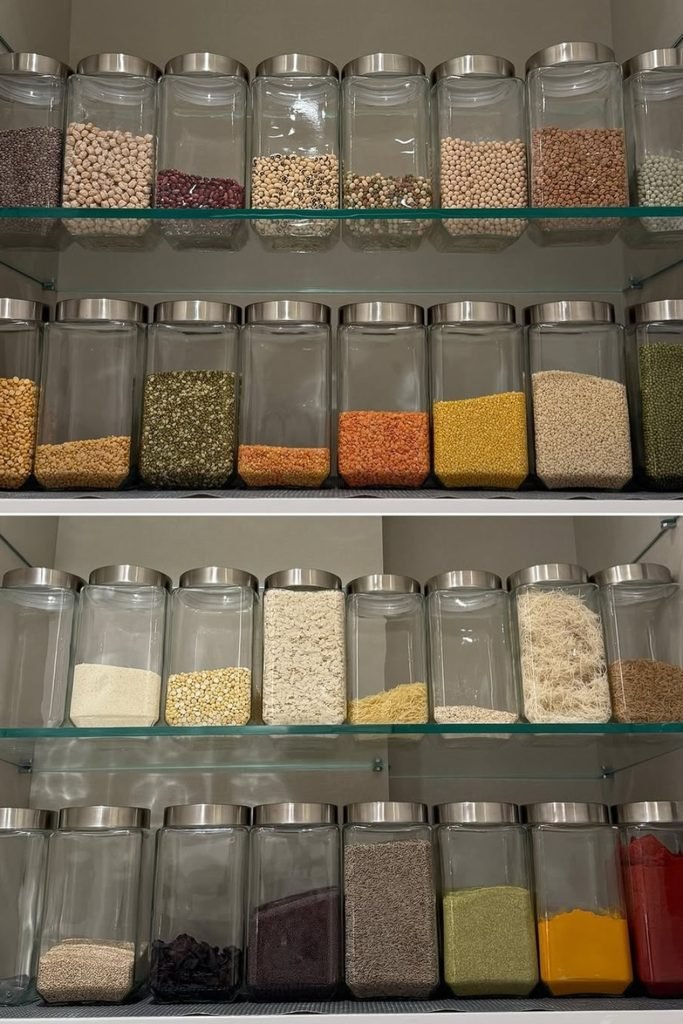
Traditional kitchen organization groups utensils, spices, and appliances together, but that does not always make the kitchen easier to use.
A frequency-based system instead asks how often each item is needed and gives the easiest storage spots to the things used most.
This prevents rarely used items from occupying prime space while everyday tools create unnecessary reaching, bending, or walking.
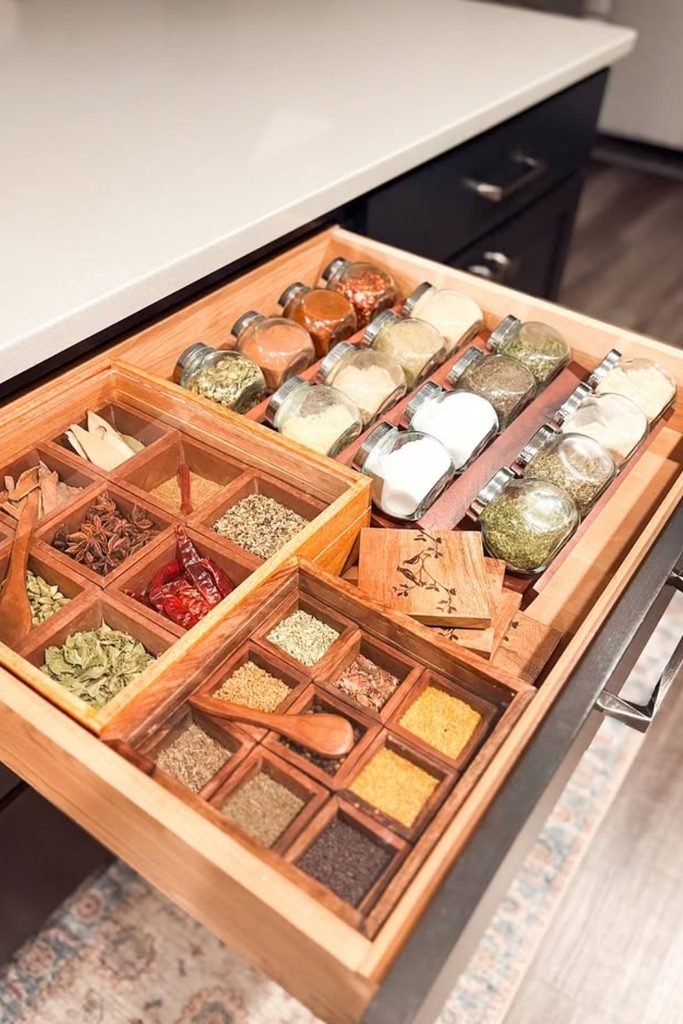
1. Daily-Use Prime Zone
Keep daily-use cookware, utensils, knives, and other essentials at eye level or within comfortable arm’s reach.
These are the items you touch repeatedly, so they deserve the easiest drawers, shelves, and cabinets in the kitchen.
The fewer movements required to grab them, the smoother your everyday cooking routine becomes.
2. Weekly-Use Mid Zone
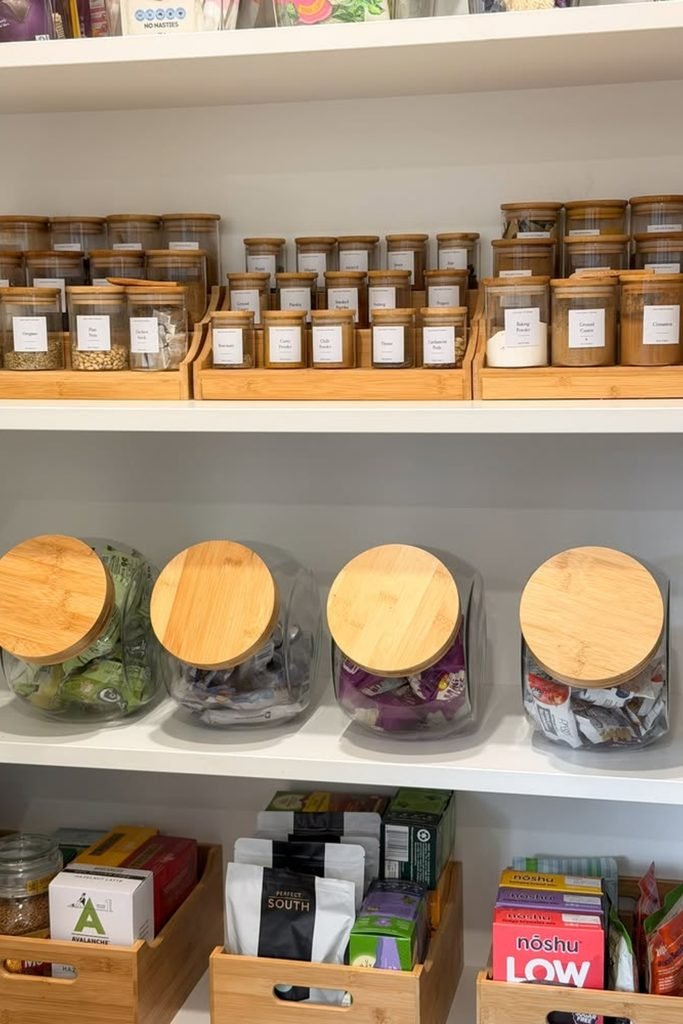
Place weekly-use items like baking sheets, extra pots, mixing bowls, or specialty utensils slightly farther from your main work area.
They should still be easy to access, but they do not need the same prime storage space as daily essentials.
This keeps valuable reach zones available for items that would otherwise create repeated motion waste every day.
3. Rare-Use Storage Zone
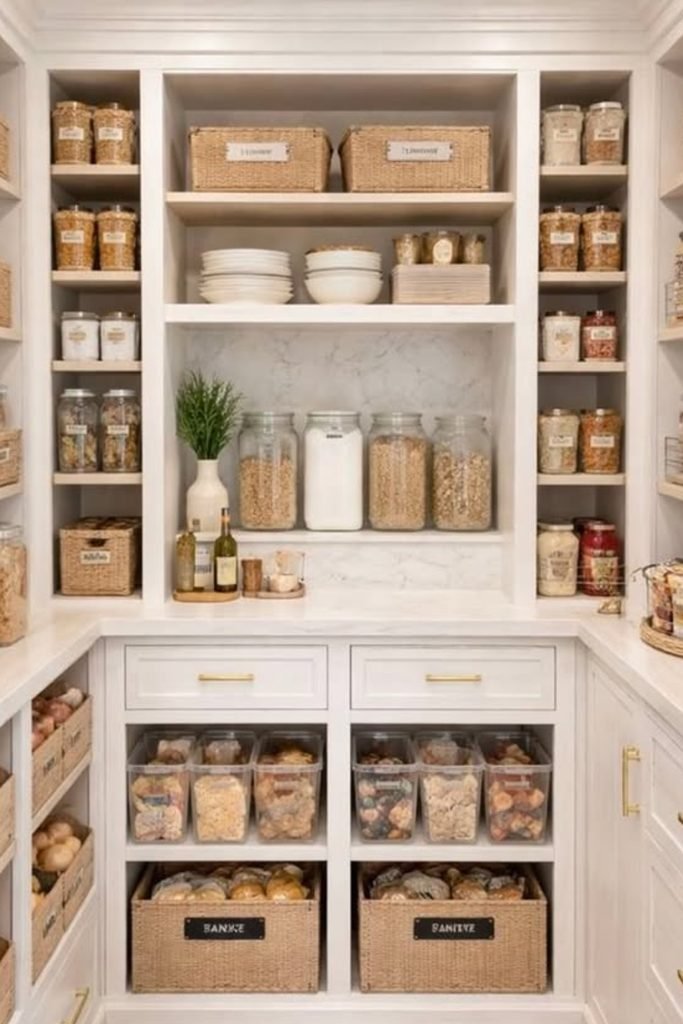
Store party trays, seasonal tools, specialty appliances, and other rarely used items on higher shelves or lower cabinets.
Because you only reach for them a few times a year, extra effort when accessing them has very little daily impact.
Moving these items out of prime zones protects convenient storage for the tools you use constantly.
Set Up Prep Stations
Create small prep stations around repeated tasks so everything needed for that task stays together and within easy reach.
A chopping station can hold knives, cutting boards, peelers, and bowls close to the main food-prep surface.
A seasoning station should keep frequently used spices, oils, and measuring spoons near the area where food is usually seasoned.
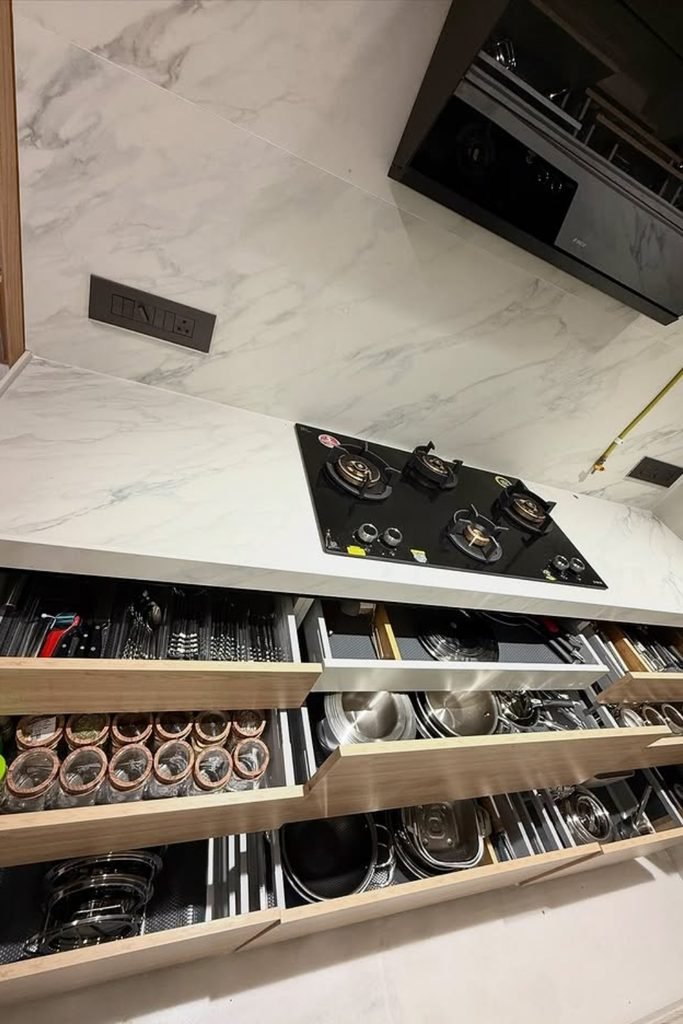
A plating station can group plates, serving utensils, and finishing items near the counter where cooked food is assembled before serving.
These mini-stations reduce mid-recipe searching and prevent unnecessary trips between drawers, cabinets, and work surfaces.
Which Kitchen Tools Belong on the Counter Vs in Storage?
Counter space should go to tools used frequently enough to justify staying within immediate reach, not simply appliances that fit there.
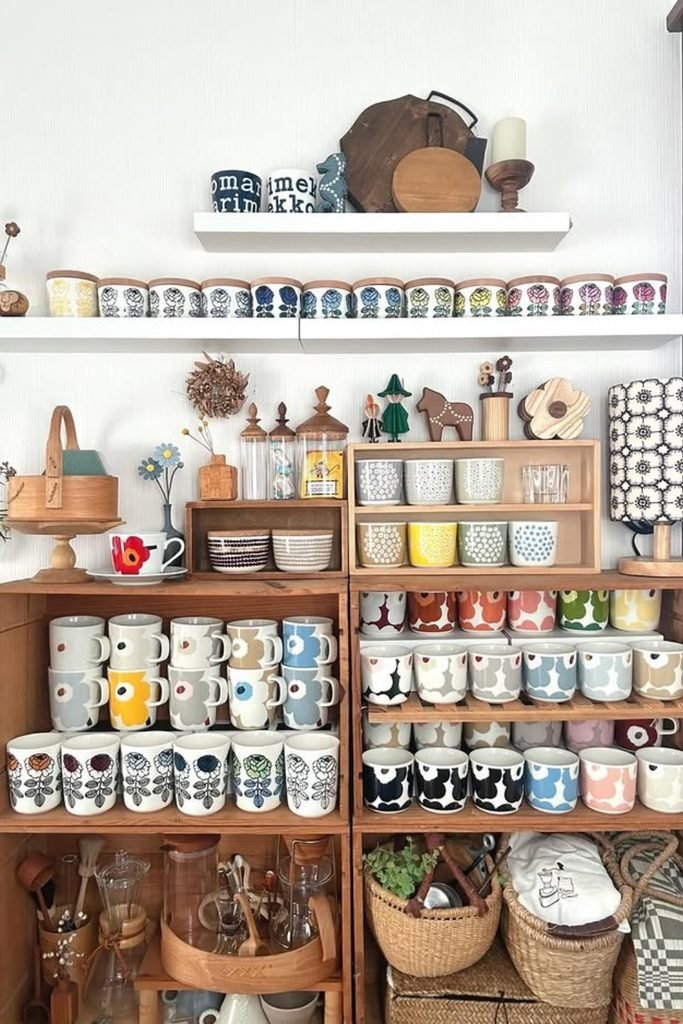
Occasional or bulky tools belong in storage when their daily convenience does not outweigh the counter space they consume.
| Tool Type | Counter or Storage | Why |
| Daily coffee maker | Counter | Used every morning, so storing and retrieving it daily would create unnecessary motion. |
| Electric kettle | Counter | Keep it accessible if it is used several times a day for drinks or cooking. |
| Toaster | Counter | Makes sense on the counter when it is part of the regular breakfast routine. |
| Stand mixer | Storage | Usually used occasionally and takes up a large amount of valuable counter space. |
| Blender | Storage | Store it away if it is only used weekly or occasionally rather than every day. |
| Food processor | Storage | Its size and lower use frequency usually make cabinet storage more efficient. |
Manage Cabinets
Deep cabinets often create motion waste because frequently used items get pushed behind things you rarely need.
Organize shelves by accessibility, keeping daily essentials visible and reachable without moving several items first.
Use simple access tools where necessary so the back of the cabinet does not become wasted or forgotten storage.
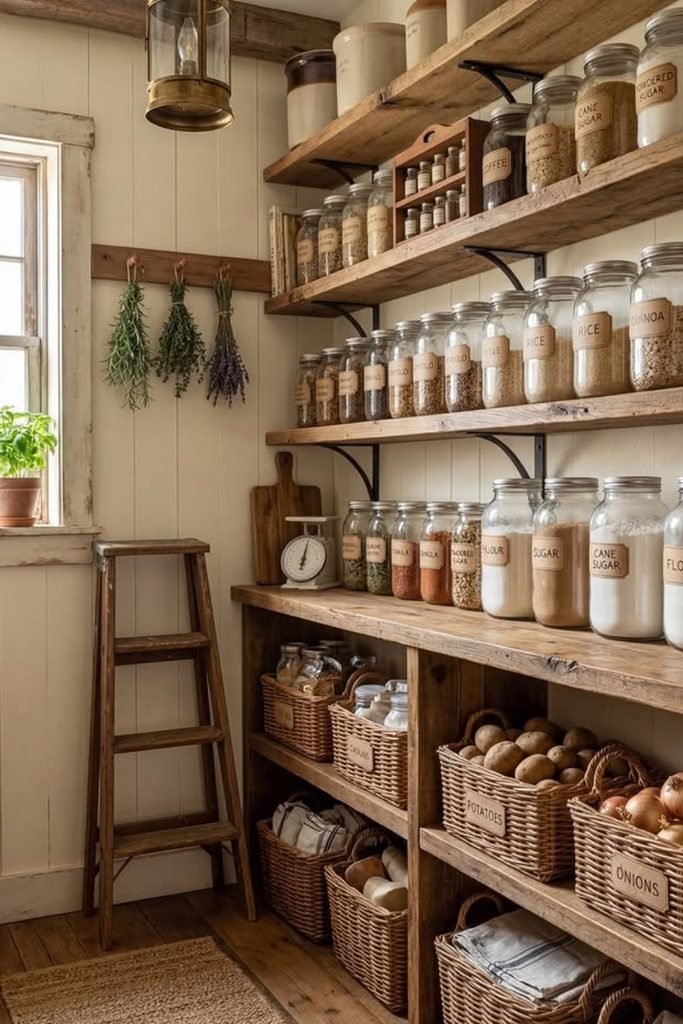
1. Front-Row Rule
Keep plates, bowls, mugs, and other everyday items in the front row where you can grab them immediately.
Avoid placing rarely used pieces in front of daily essentials, since every extra move adds friction to repeated kitchen tasks.
The items you reach for most should never require removing or shifting something else first.
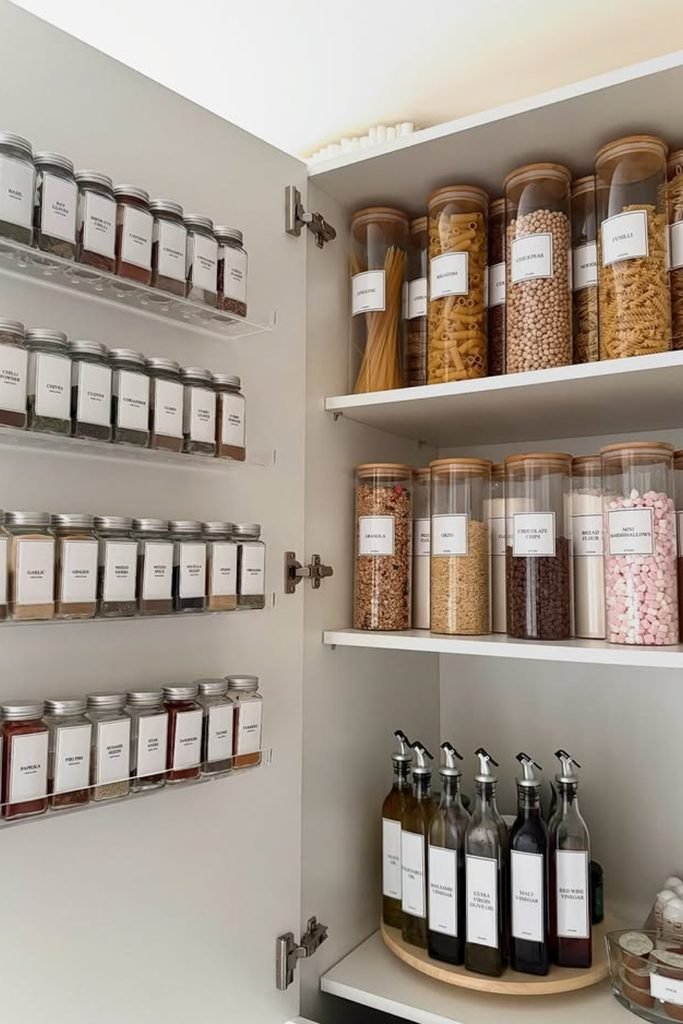
2. Lazy Susan
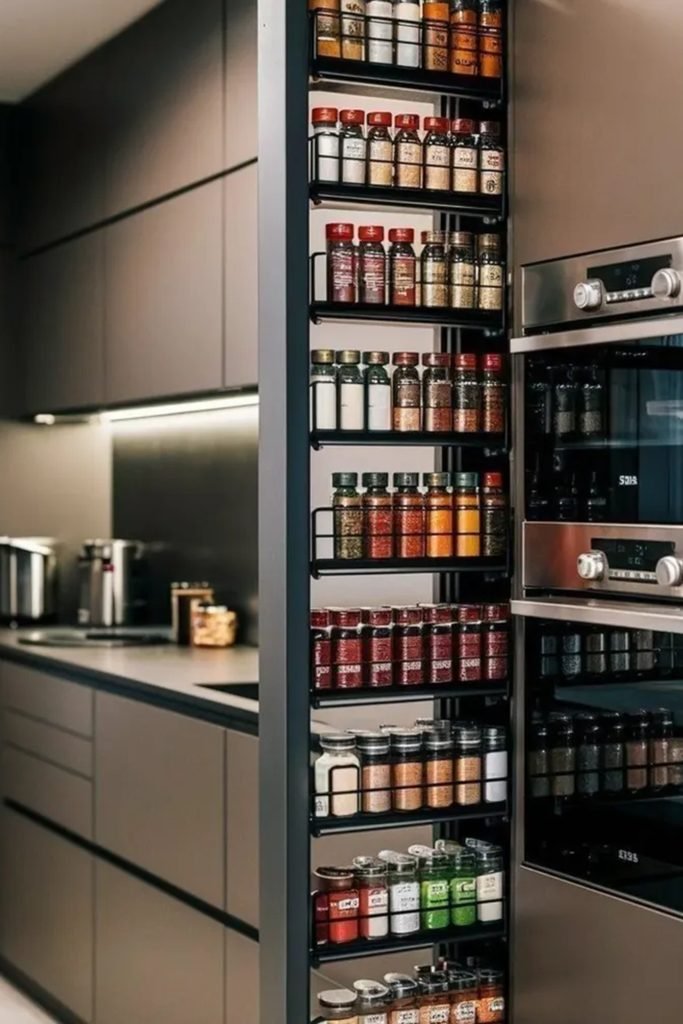
Use a lazy Susan or pull-out organizer when deep cabinets make items at the back difficult to see or reach.
These solutions bring stored items toward you instead of forcing you to stretch, bend, or remove everything in front.
They are especially useful for oils, sauces, spices, and other small items that easily disappear behind larger containers.
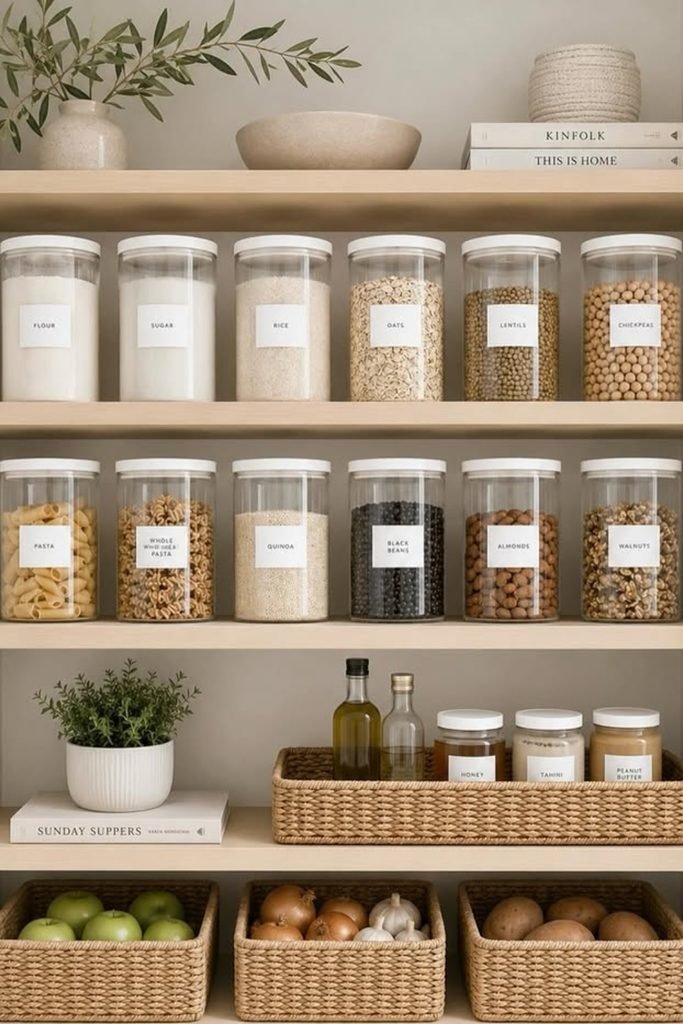
Keep Countertops Clear
A clear countertop should reduce clutter without forcing you to store frequently used items so far away that cooking becomes harder.
The goal is to balance open work space with immediate access to the tools and appliances you genuinely use every day.
Decide what stays out based on frequency and function rather than leaving everything visible simply because it fits.
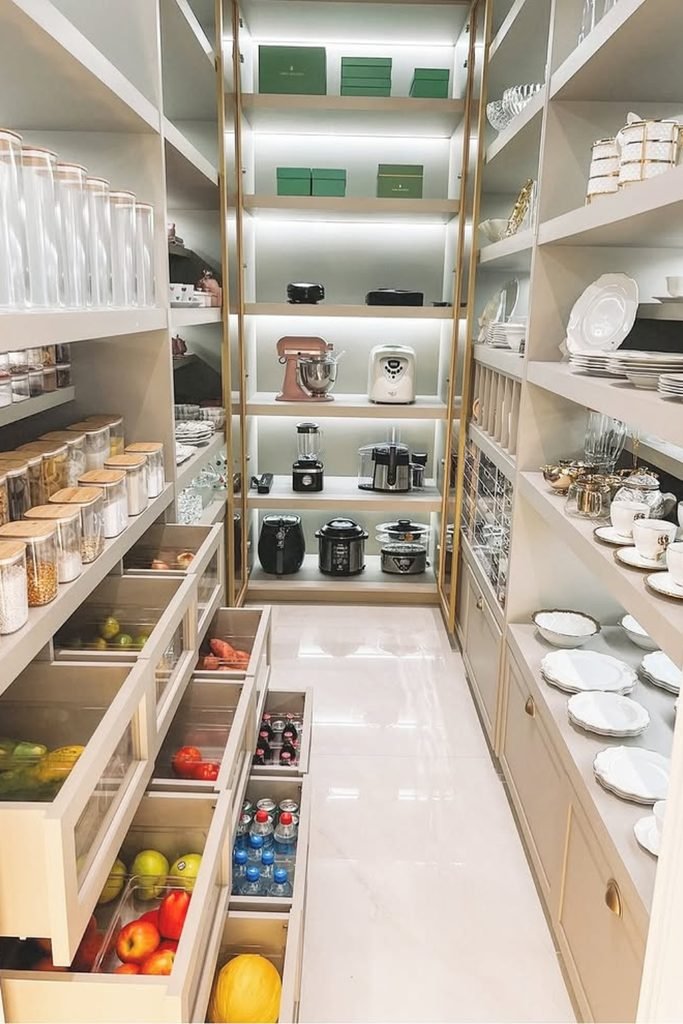
1. The One-Appliance Rule
Keep only the appliance you use every day on the counter, such as a coffee maker, kettle, or frequently used toaster.
Store occasional appliances in cabinets so they do not consume valuable preparation space throughout the week.
If an appliance regularly sits untouched for several days, it probably does not need permanent countertop space.
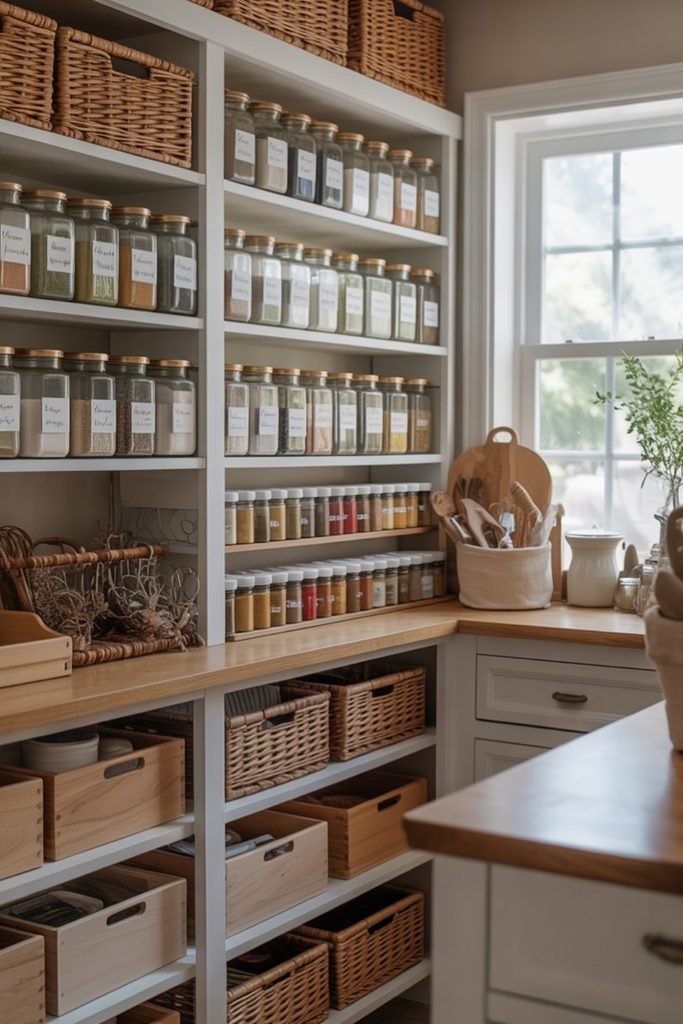
2. The Landing Zone Rule
Reserve one small section of counter as a temporary landing zone for groceries, mail, bags, or items entering the kitchen.
Without a defined landing spot, these objects tend to spread across prep surfaces and slowly turn into permanent clutter.
Keep the zone intentionally small and clear it regularly so temporary items never interfere with your main cooking areas.
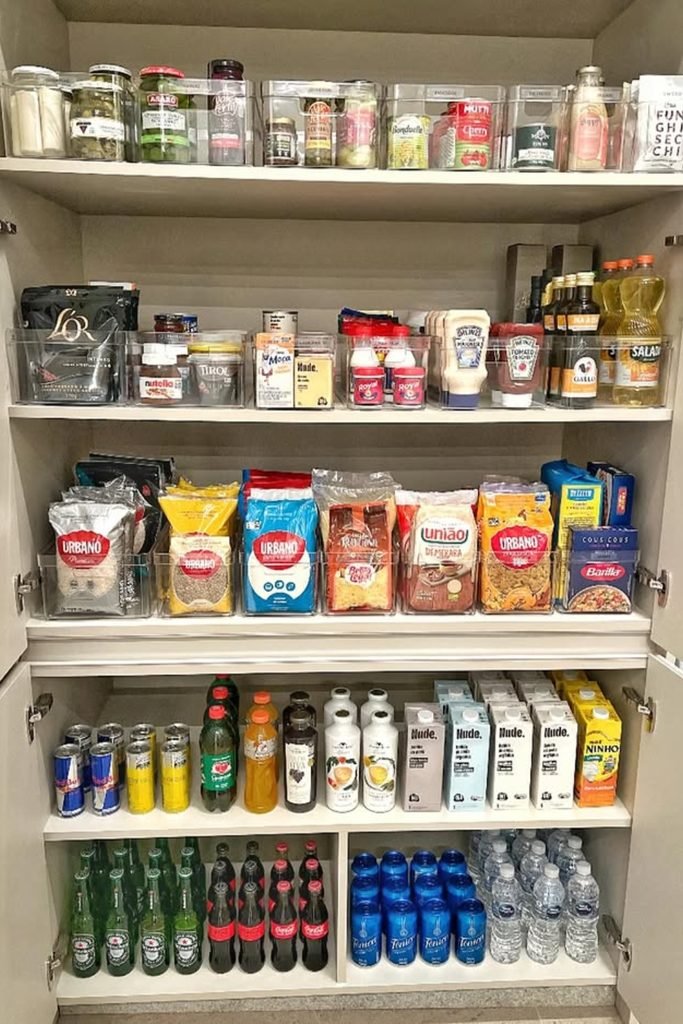
What to Do With Duplicate Gadgets?
Duplicate gadgets quietly consume prime storage space without making everyday cooking any easier or faster.
Keep the version you actually use most, then donate, relocate, or remove extras that perform the same basic job.
Apply a simple six-month test to tools you are unsure about keeping, especially single-purpose gadgets and specialty utensils.
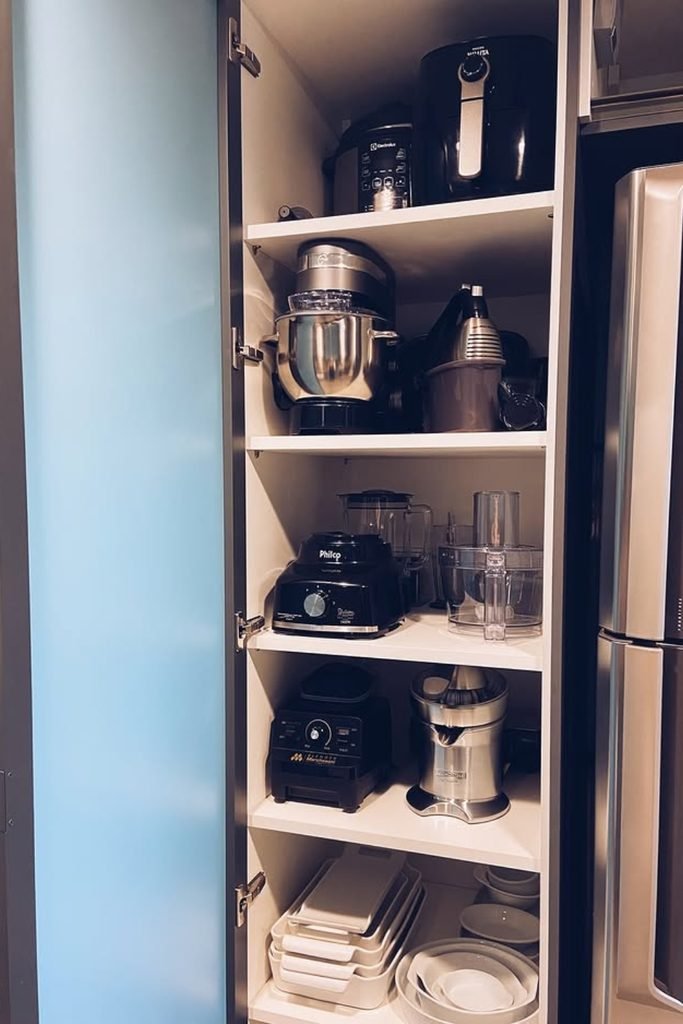
If an item has not been used in six months, ask whether it deserves accessible kitchen space or should be stored elsewhere.
Reducing these low-use items frees easier storage positions for tools that genuinely support your everyday cooking routine.
The Cook-and-Clean System
Good organization only lasts when cooking habits support the zones and storage positions you have already created.
Build cleanup and item return into the cooking process instead of leaving everything until the meal is finished.
Two small habits can prevent clutter from rebuilding and keep frequently used tools consistently easy to reach.
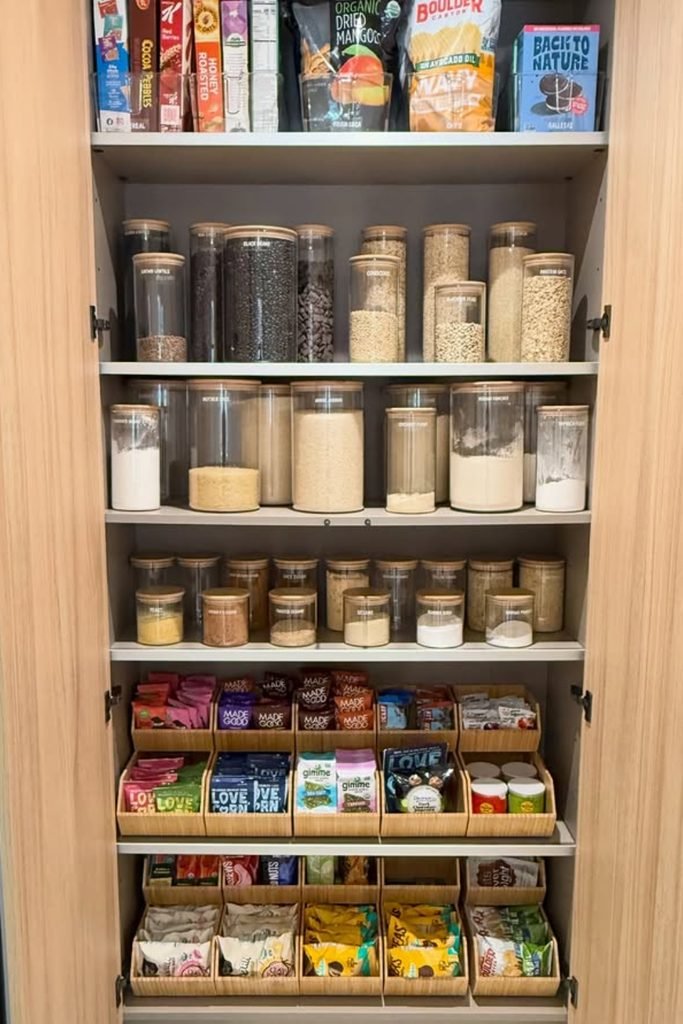
1. Clean As You Cook
Handle small cleanup tasks between cooking steps, such as rinsing a bowl while something simmers or wiping a used surface.
This prevents dishes, scraps, and utensils from piling up until they block the workspace and create extra movement.
Small resets throughout the recipe leave far less mess to manage once cooking is finished.
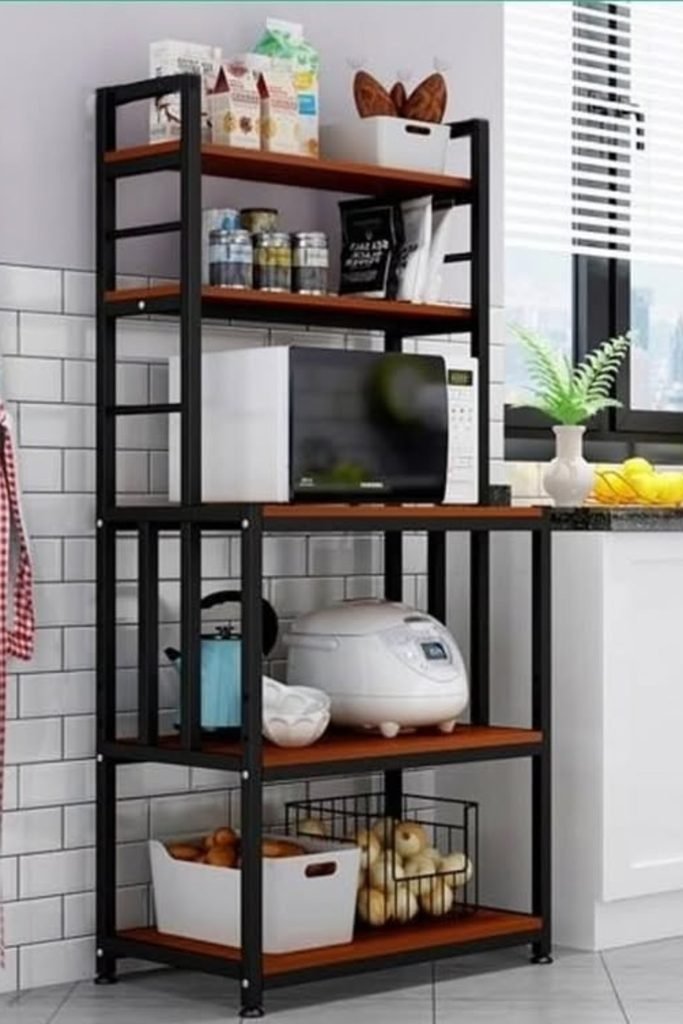
2. Return-to-Zone Habit
Return each tool to its assigned zone as soon as you finish using it instead of leaving it wherever you last worked.
This keeps frequently used items in predictable locations and prevents the “I’ll put it away later” pile from forming.
When every tool consistently returns home, the distance-based organization system stays functional without requiring frequent major resets.
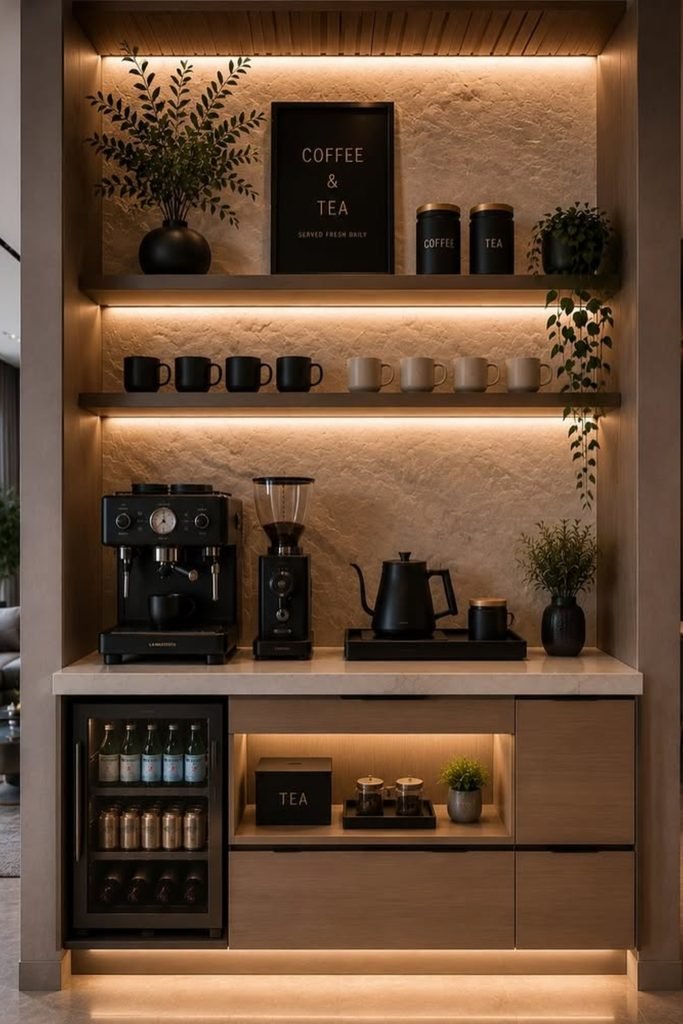
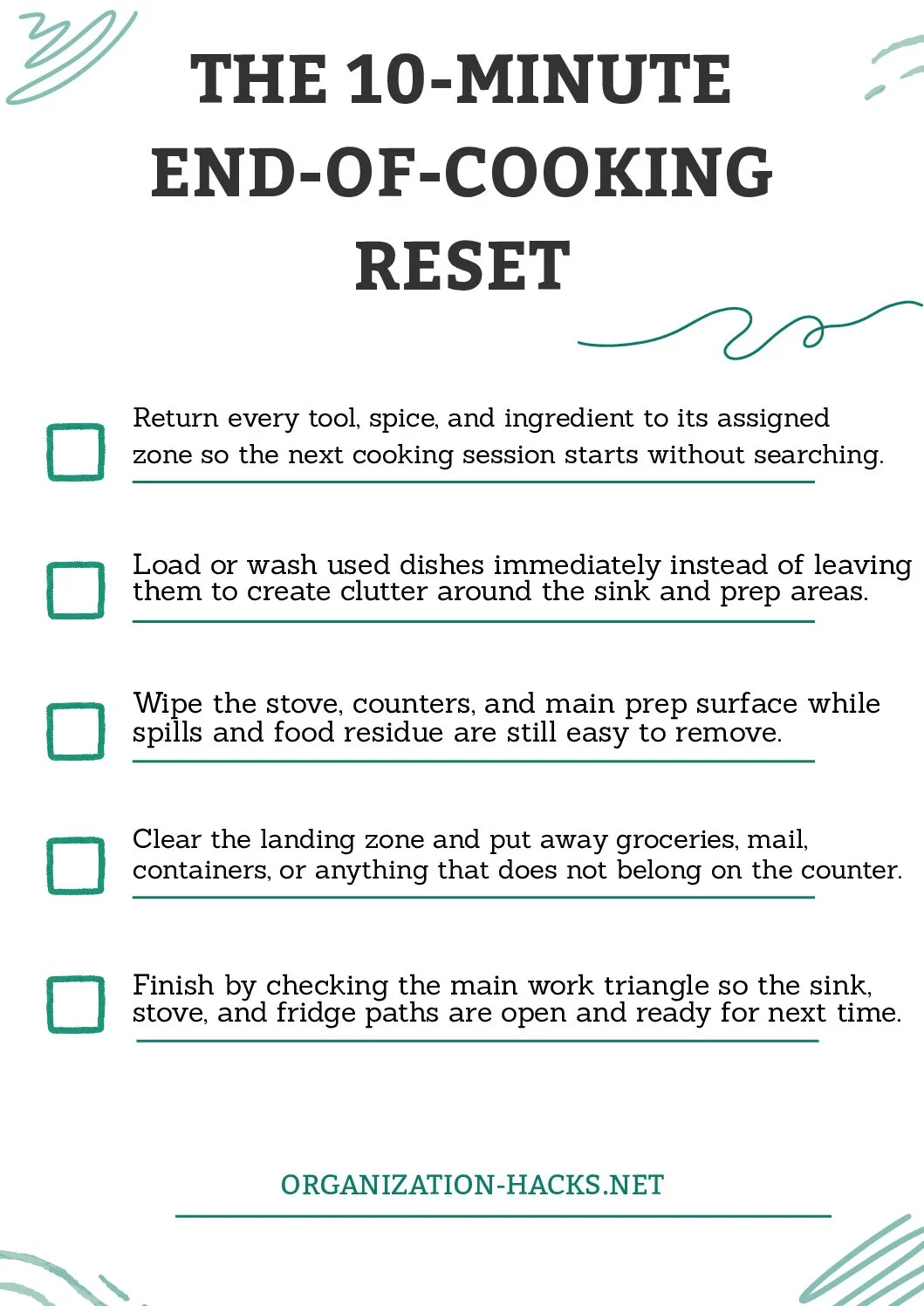
The 10-Minute End-of-Cooking Reset
Conclusion
A well-organized kitchen is less about finding more storage and more about keeping frequently used items close to where you actually need them.
Organizing around the sink, stove, fridge, and your everyday routines can dramatically reduce unnecessary walking, reaching, and searching.
You can keep prime storage for daily essentials, move low-frequency items farther away, and return everything to its assigned zone after use.
When storage distance matches use frequency, your kitchen becomes easier to cook in without requiring more cabinets or complicated organizers.
FAQs
How Do You Organize a Kitchen With Limited Cabinet Space?
Start by giving your easiest-to-reach cabinet space to items you use every day rather than trying to fit every kitchen item equally.
Move seasonal appliances, duplicate gadgets, serving pieces, and rarely used cookware to higher shelves or storage outside the main cooking zone.
Use pull-outs, shelf risers, hooks, or door storage when they improve accessibility without making frequently used items harder to reach.
What’s the Best Way to Stop Losing Kitchen Tools in Cabinets?
Keep frequently used tools in the front and avoid stacking unrelated items in front of things you need regularly.
Deep cabinets work better with pull-out organizers, bins, or lazy Susans that bring items forward instead of hiding them at the back.
Assign each tool a consistent zone based on where it is used so you always know where to reach for it and return it.