I know the frustration of opening a messy pantry and still not knowing what I already have before shopping.
The poorly arranged items create inventory blindness, duplicate purchases, and unnecessary clutter over time.
In this article, I am going to show you how you can organize your pantry step by step with different methods.
Let’s jump in!
Why Does a Pantry Get Chaotic?
The pantry contents constantly change as groceries come in, ingredients get used, and half-finished packages return to the shelves.
Boxes, jars, cans, bottles, and flexible packets all take up space differently, making neat arrangements difficult to maintain.
When several people grab or replace items, products rarely return to the same shelf position every time.
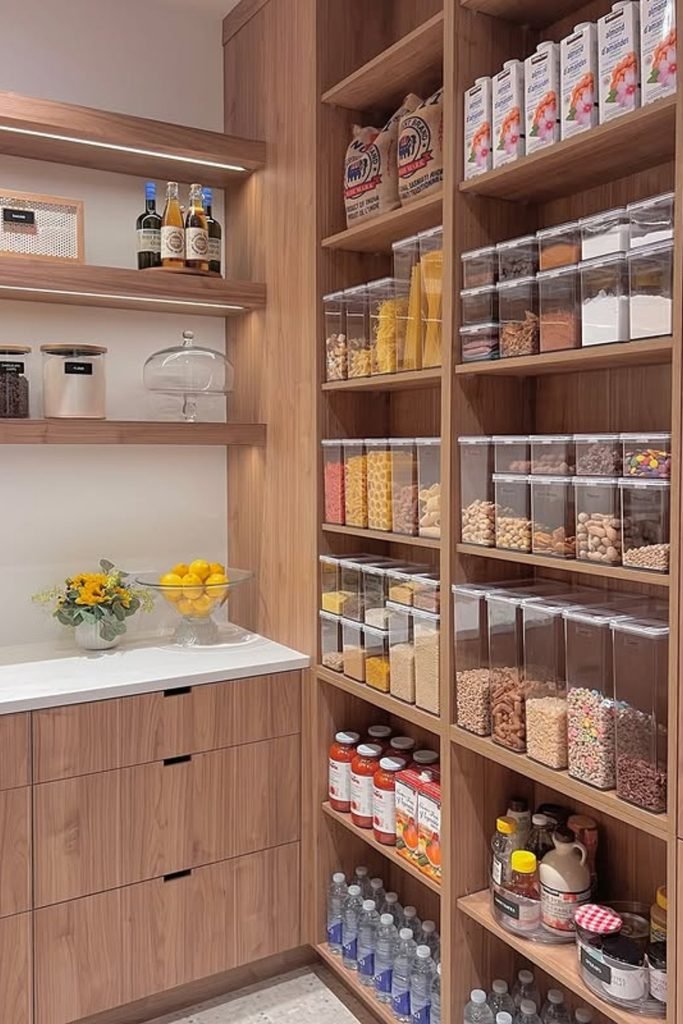
Without a fixed home for common pantry staples, similar items gradually scatter across different shelves and become harder to track.
This constant movement makes pantry organization break down faster and creates the visibility problem behind forgotten or duplicated food.
Keep Buying Things You Already Have
A crowded pantry can make you feel like something is missing even when another package is already sitting somewhere inside.
When similar products are hidden behind boxes, stacked underneath others, or scattered around, your brain stops registering what you own.
That lack of visual recognition creates inventory blindness, so shopping decisions depend on memory rather than what is actually available.
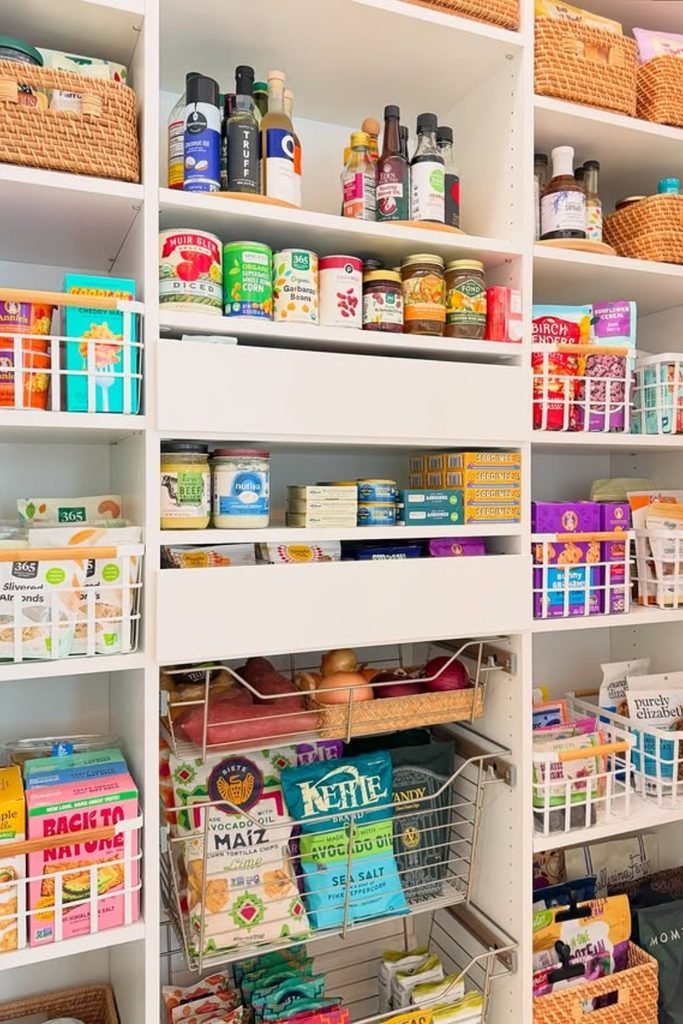
You may buy another pasta box, sauce jar, or snack packet simply because the existing one was not visible when needed.
Each duplicate then takes up more shelf space, making existing items even harder to see & repeating the same buying mistake.
The goal is to make pantry inventory visually obvious enough that you can recognize what you have before buying more.
Pantry’s Shape Should Decide Organization Method
Pantry shape directly affects how easily you can see, reach, & return food after using it.
A system that works on shallow shelves may fail completely when the same items are placed inside a deep pantry.
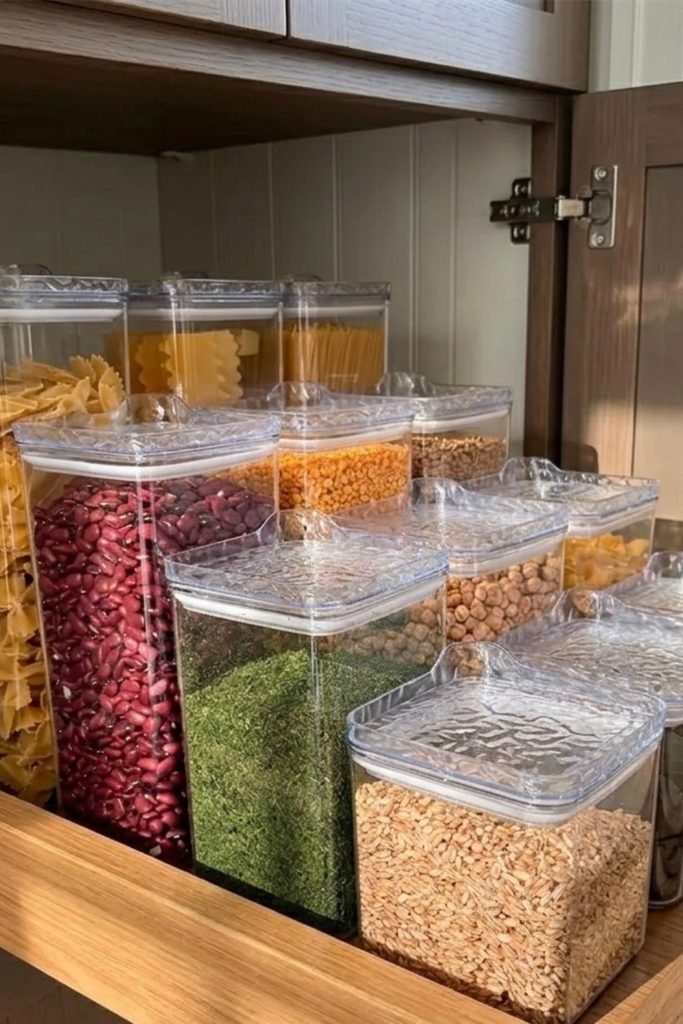
Before choosing organizers, look at how much depth you have and where products are most likely to disappear from view.
Match the organization method to the pantry shape so visibility stays consistent instead of forcing one system everywhere.
1. Deep Pantry
Deep shelves make it easy for newer items at the front to hide older packages sitting farther behind them.
Arrange similar products front to back so you can quickly tell how many packages of each item are available.
Use clear front-to-back labels so everyone knows where items belong and hidden stock does not become forgotten stock.
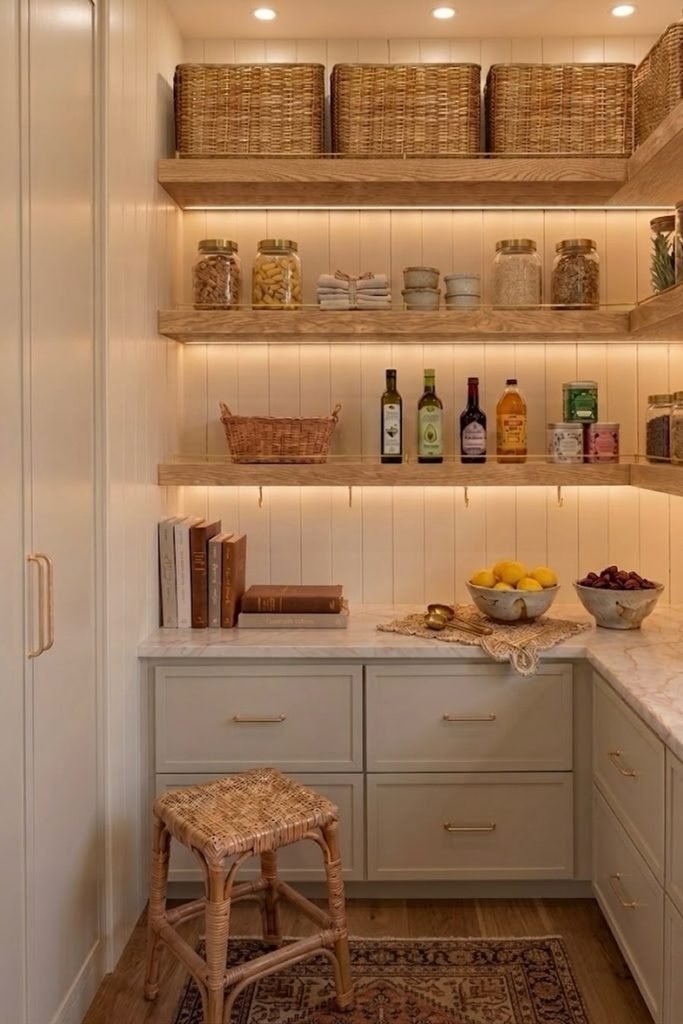
2. Shallow Shelving
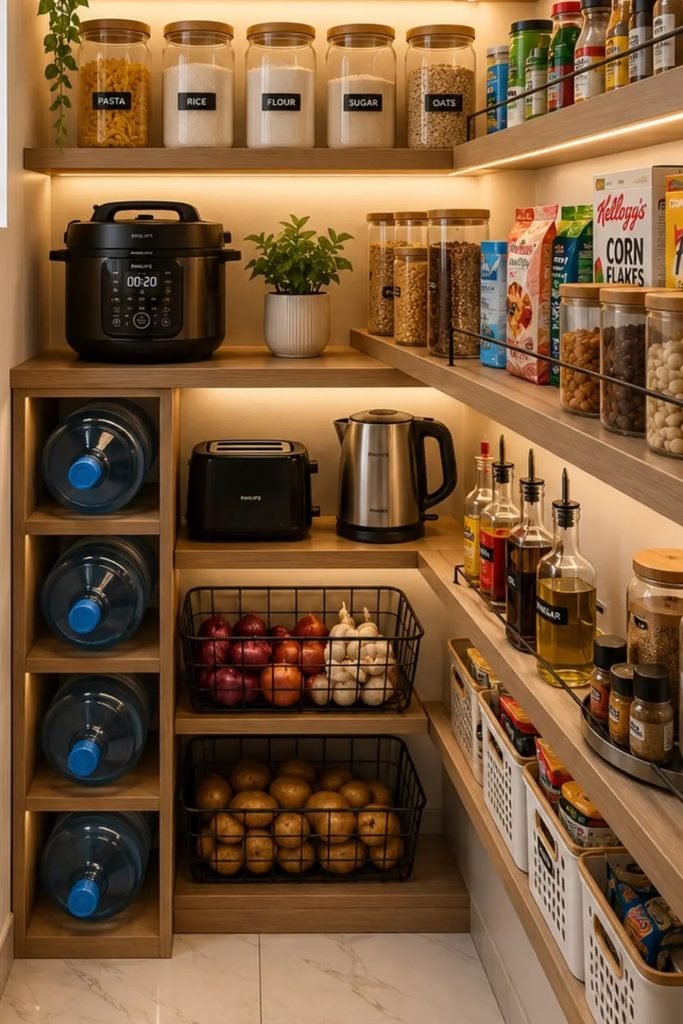
Shallow shelves naturally give you better inventory visibility because products cannot disappear several rows behind one another.
Take advantage of that depth by keeping products in a single row whenever shelf space allows it.
Keep labels and package fronts facing outward so one quick glance tells you exactly what is currently available.
3. Cabinet-Style Pantry
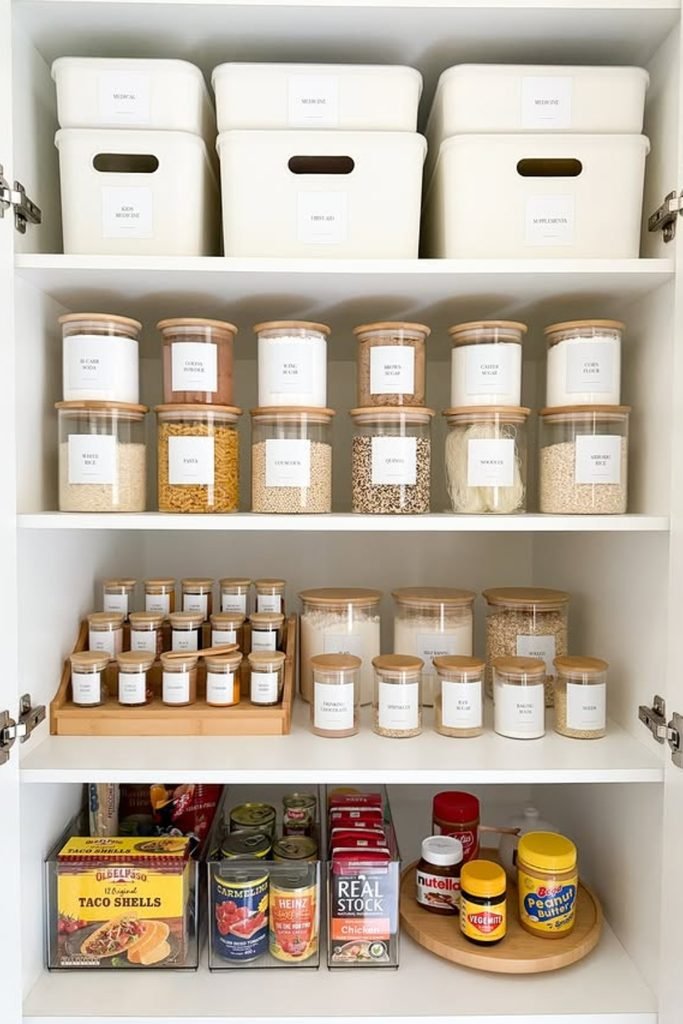
Cabinet-style pantries often hide products toward the back because you can only reach everything from one direction.
Use turntables for jars, sauces, and bottles so deeper items can rotate forward without moving everything in front.
Door-mounted racks can hold smaller packages and frequently used items, freeing cabinet depth for products that need more space.
Group Food by How You Cook
Traditional pantry sorting separates baking supplies, canned foods, snacks, and other categories even when those items are used together.
Usage-based sorting instead groups foods around real routines and meals, making ingredients easier to locate when you actually need them.
This also helps you notice missing or duplicated meal staples before shopping because related items stay visible together.
1. Breakfast Zone Items
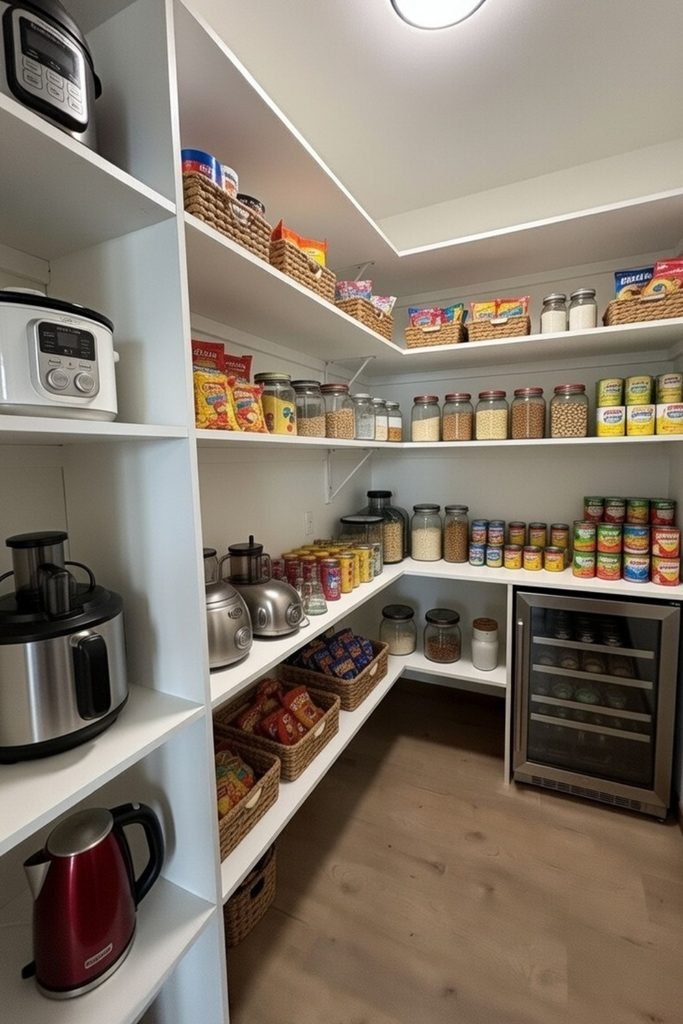
Keep cereal, oats, spreads, breakfast bars, and other morning staples together instead of separating them by food category.
When mornings are rushed, one visible group lets you grab what you need without searching across several shelves.
Keeping breakfast staples together also makes it easier to notice what is running low before the next grocery trip.
2. Quick Meal Items
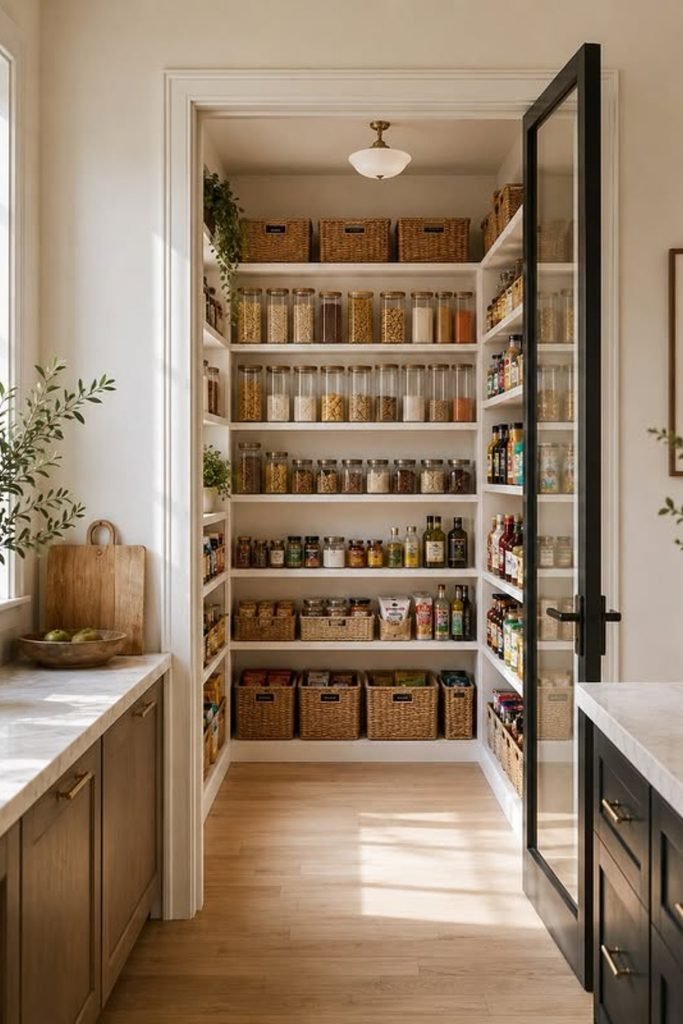
Group pasta, rice, sauces, noodles, and similar staples that regularly come together for quick weekday dinners.
Instead of searching different pantry sections, you can see the main ingredients for an easy meal in one place.
This makes everyday cooking faster while showing immediately whether you already have enough staples for upcoming meals.
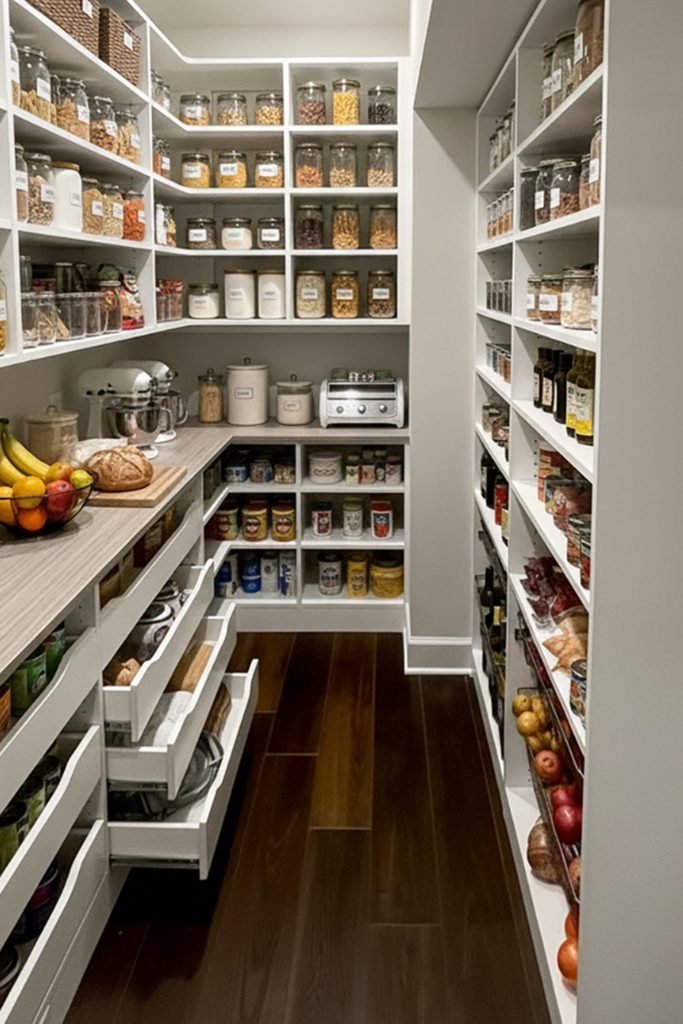
3. Baking and Occasional-Use Items
Move baking supplies and other rarely used ingredients toward higher shelves or farther back where prime visibility matters less.
These items do not need the same immediate access as foods you reach for several times throughout the week.
Keeping occasional-use products out of prime shelf space leaves frequently used inventory easier to see, reach, and monitor.
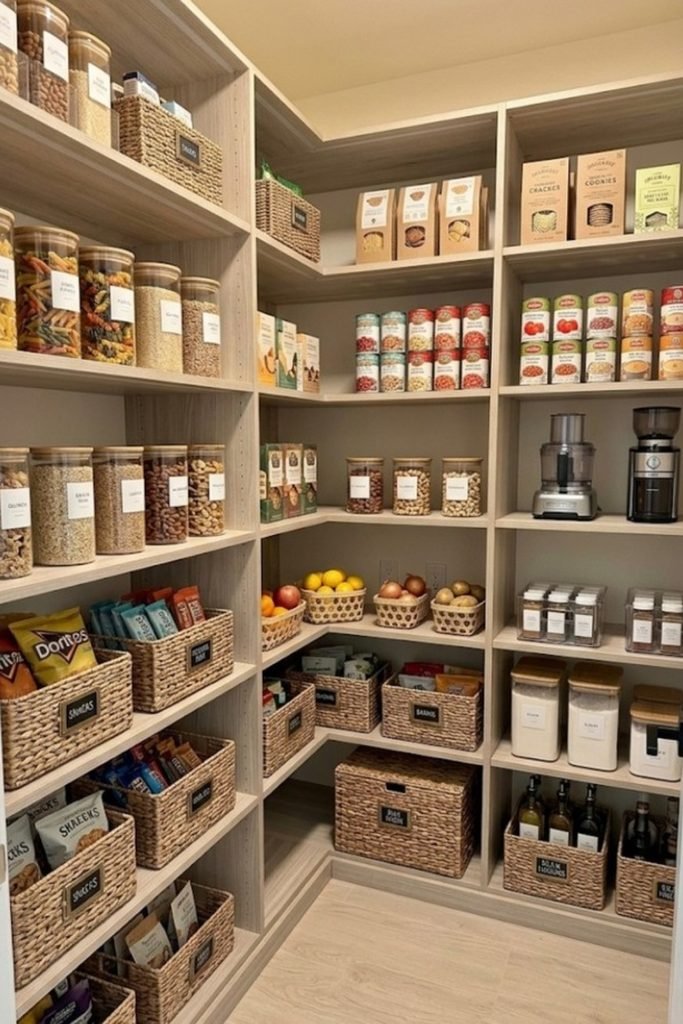
Set Up a Front-to-Back System
Use a simple FIFO (First In, First Out) system, so older pantry items get used before newer ones.
Place newly bought products behind the same items already sitting on the shelf instead of putting them in front.
This keeps older cans, boxes, and jars visible, making them more likely to be used before their dates pass.
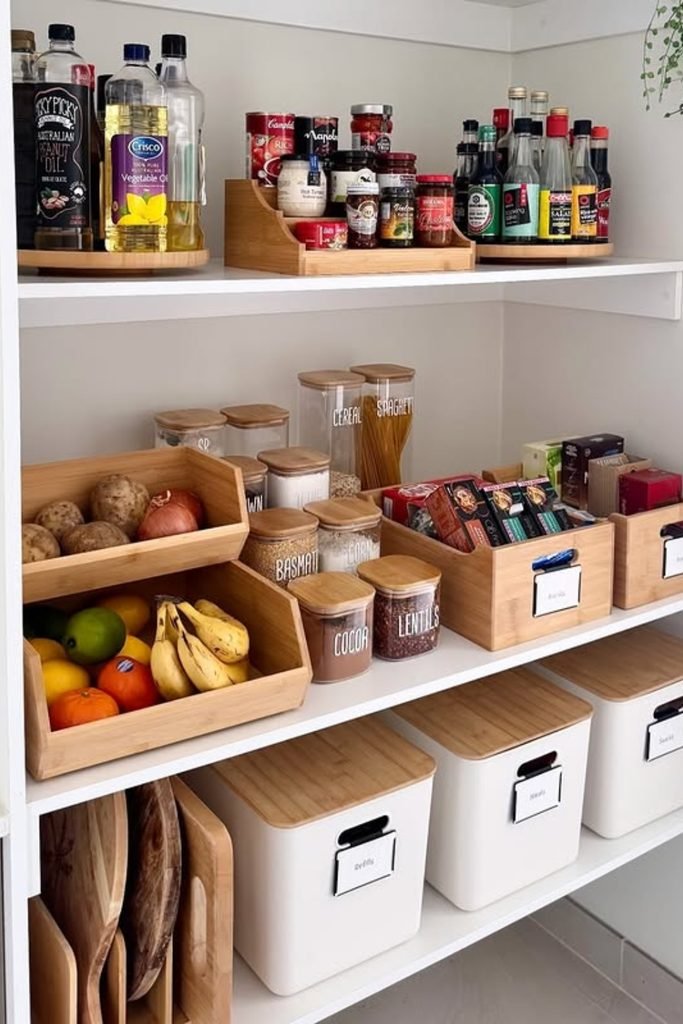
Whenever you restock, take a few seconds to check expiry or best-before dates while moving older products forward.
That small habit keeps inventory rotating naturally and prevents forgotten food from expiring unnoticed at the back.
Which Items Are Worth Decanting Into Containers?
Decanting works best when it improves freshness, visibility, or shelf efficiency rather than simply making the pantry look uniform.
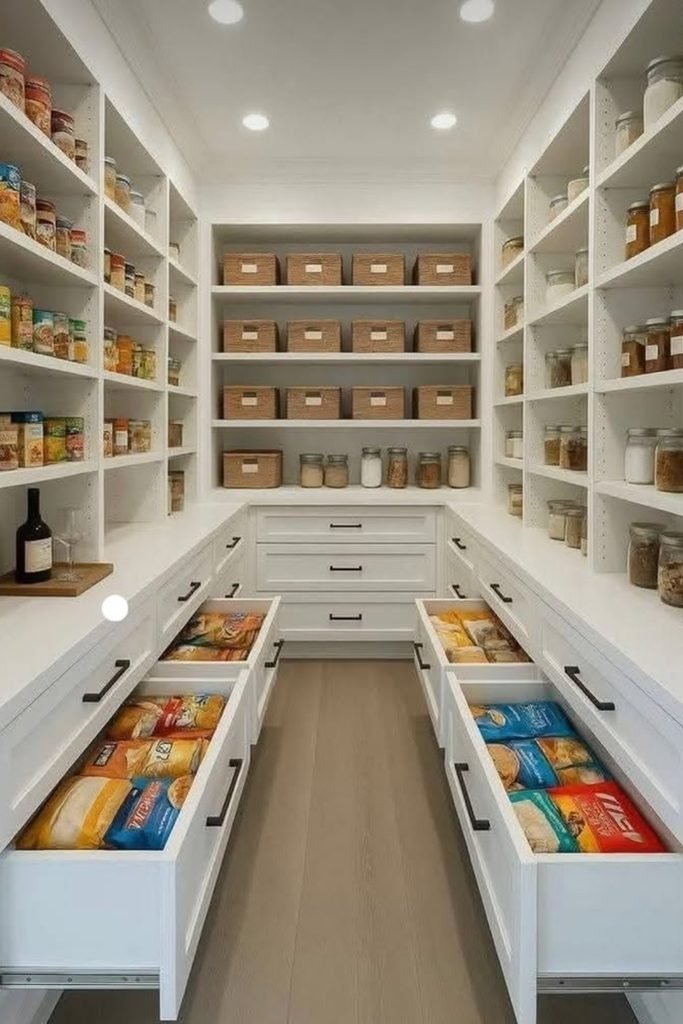
Keep original packaging whenever important cooking instructions, expiry details, allergen information, or product identification could otherwise be lost.
| Item Type | Decant or Keep Original | Why |
| Flour | Decant | Airtight storage helps protect freshness and makes remaining quantity easier to see. |
| Rice | Decant | Uniform containers use shelf space efficiently and make low stock obvious. |
| Sugar | Decant | Keeps moisture out while making everyday measuring and inventory checks easier. |
| Pasta | Decant | Clear containers show exactly how much remains and reduce awkward half-empty boxes. |
| Cereal | Decant | Helps maintain freshness and makes remaining portions visible at a glance. |
| Sauce Packets | Keep Original | Small packets contain product details and are easier to identify in their packaging. |
| Foods With Allergen Information | Keep Original | Original labels preserve important ingredient, allergen, and safety information. |
| Rarely Used Ingredients | Keep Original | Decanting adds little value when the product is not accessed often. |
Keep Snacks and Kids Items Accessible
Keep children’s everyday snacks easy to reach without letting kid-friendly storage take over the entire pantry.
Use shelf height intentionally so frequently grabbed children’s items stay accessible while adult products remain separate and organized.
This creates clear visibility for everyone while keeping age-sensitive or less appropriate items safely out of children’s reach.
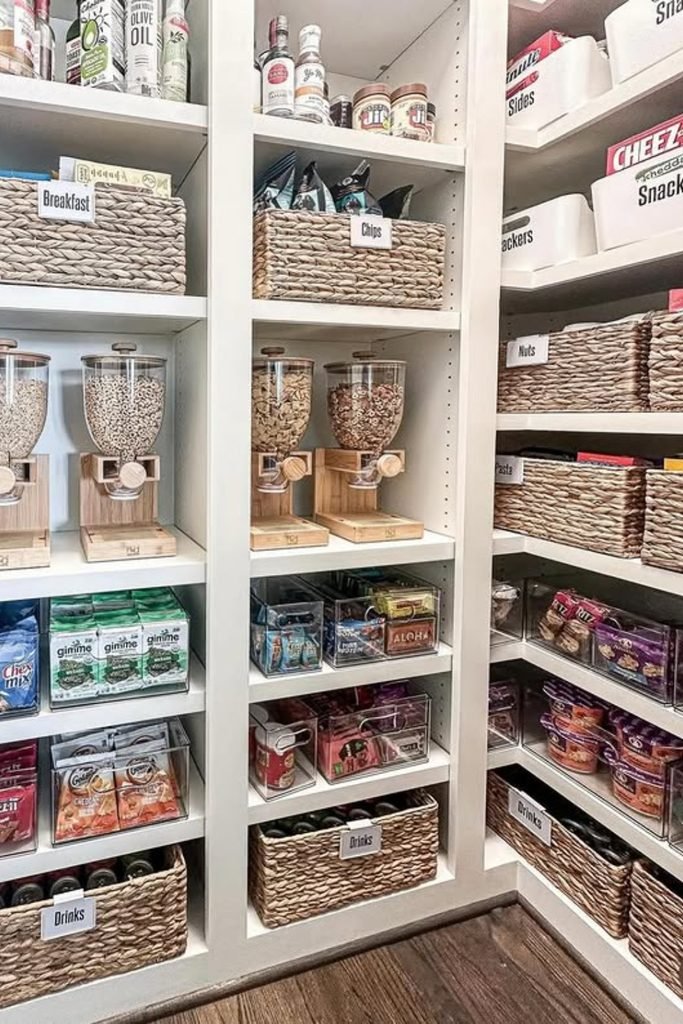
1. Low-Shelf Kid Zone
Place approved snacks, lunchbox items, and other kid-friendly foods on lower shelves that children can comfortably reach themselves.
Keep choices visible and simple so kids can grab permitted items without moving containers or searching through adult pantry storage.
Use lightweight bins when needed so smaller packets stay contained while remaining easy for children to see and return.
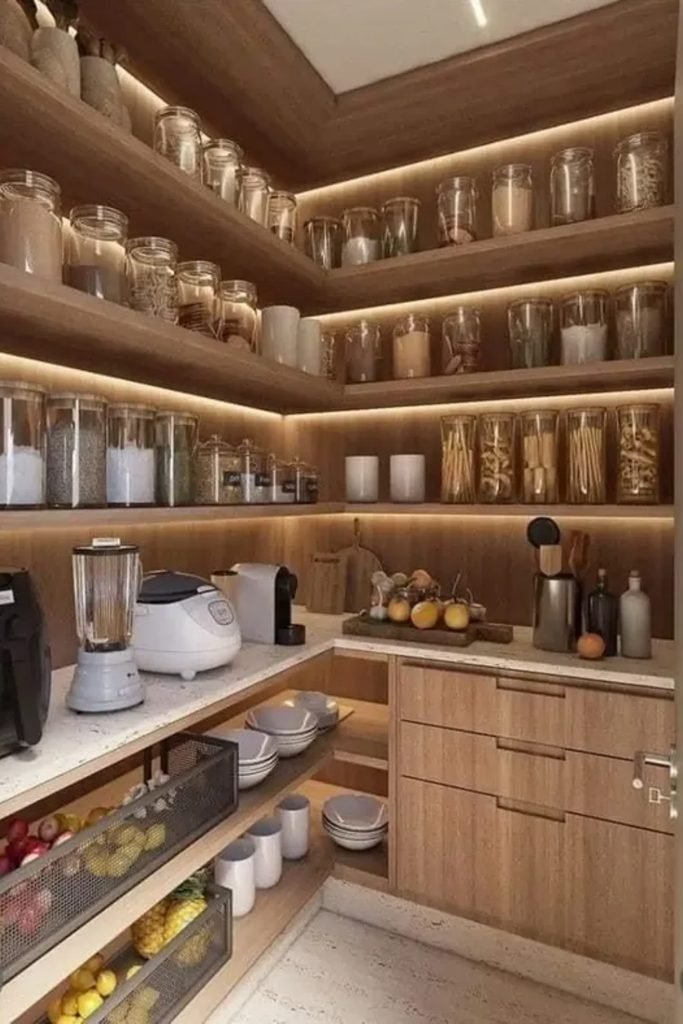
2. High-Shelf Adult-Only Items
Reserve higher shelves for alcohol, choking hazards, adult snacks, and anything children should not access independently.
Keeping these products above children’s reach protects safety without mixing restricted items into frequently used family food storage.
This height-based separation also preserves lower shelf space for appropriate everyday items while keeping adult inventory visible and organized.
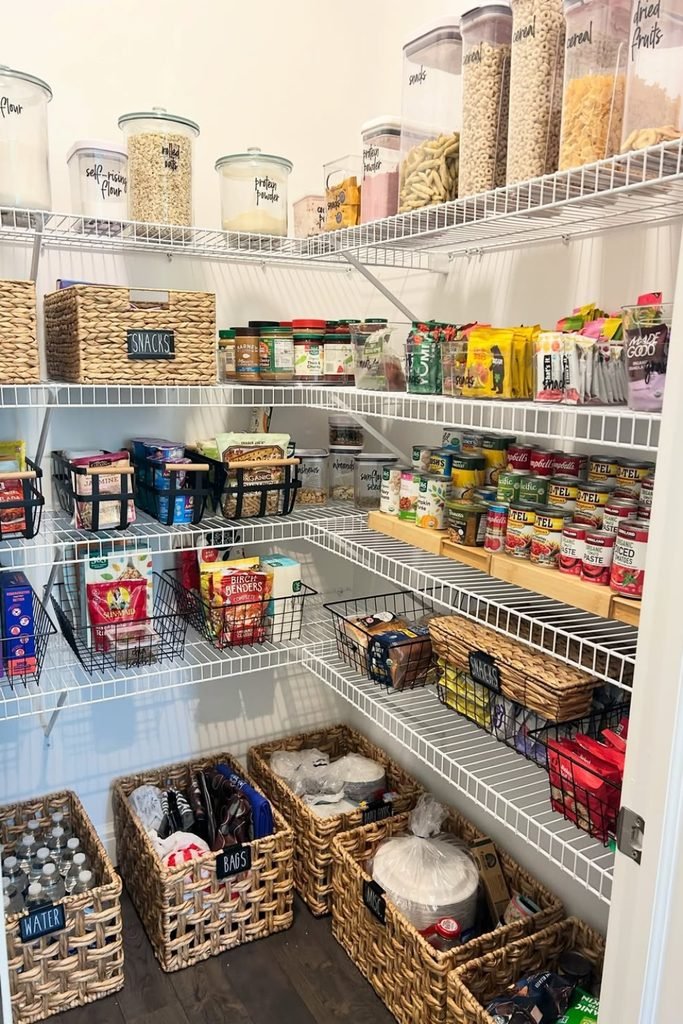
What to Do With Bulk Items?
Bulk purchases quickly overwhelm pantry shelves when every package is stored in the main everyday-access area at once.
Keep only a practical working amount in the pantry instead of forcing the entire bulk purchase onto crowded shelves.
Store unopened extras in one clearly designated backstock bin, shelf, or nearby overflow area so they remain easy to track.
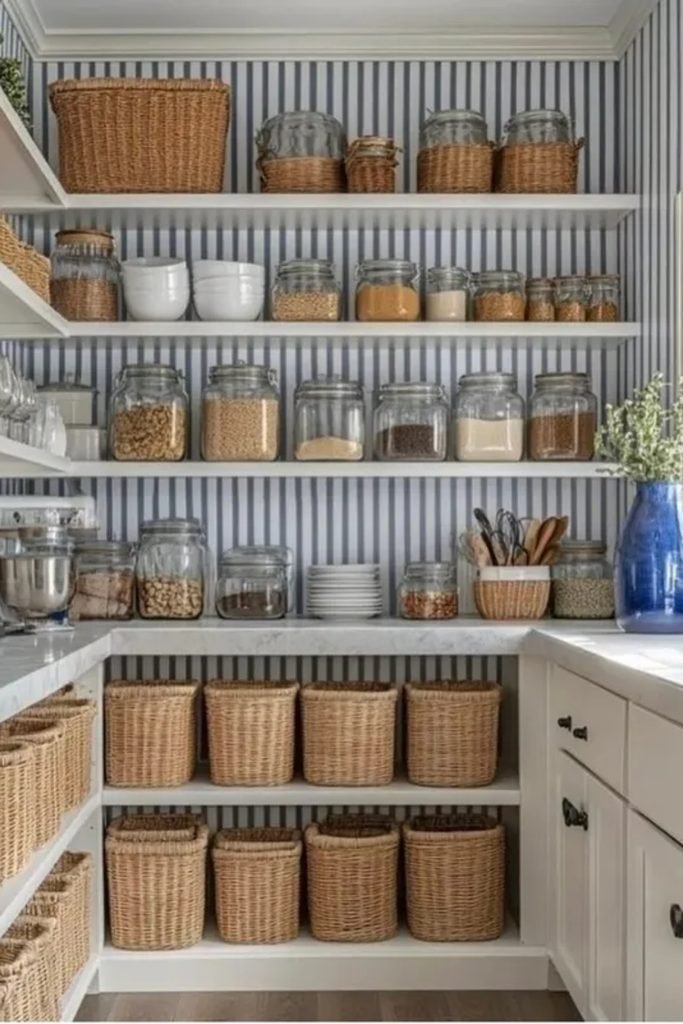
When the pantry quantity runs low, refill it from backstock before adding the item to your next shopping list.
This keeps bulk savings useful without creating inventory blindness or making your pantry look permanently overfilled.
The Grocery Put-Away System
A pantry stays organized only when shopping and restocking follow the same visibility system used to set it up.
Randomly placing new groceries wherever space appears quickly hides existing stock and brings duplicate buying back.
Build two simple habits around every grocery trip so inventory remains easy to see, rotate, and replace.
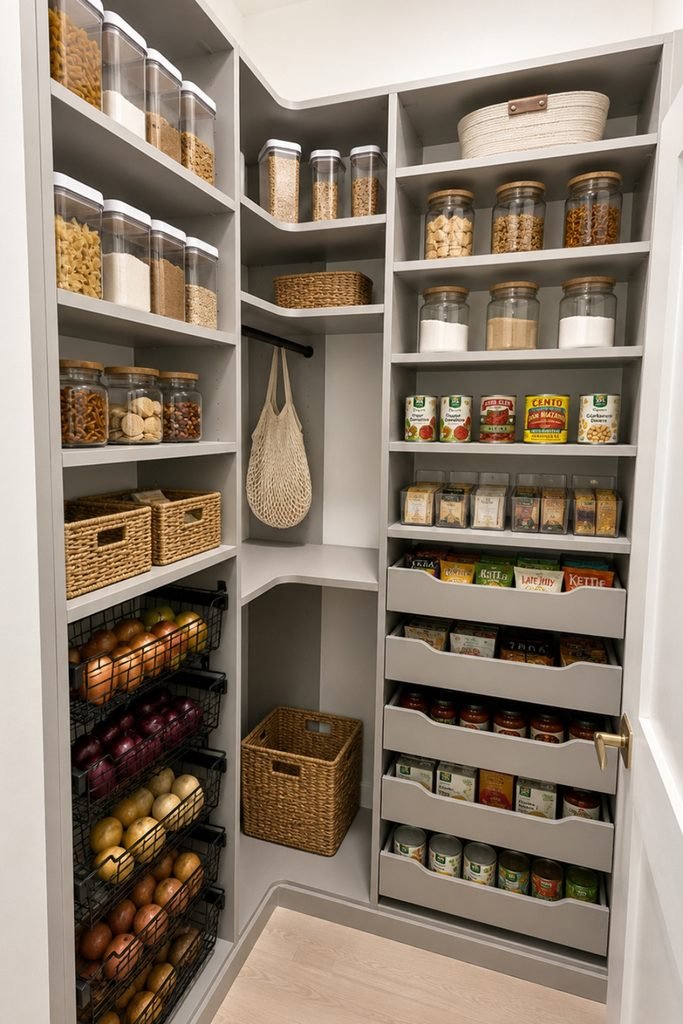
1. Check Before You Shop
Do a quick pantry scan before making your grocery list so you can see what is already available.
Check commonly duplicated staples especially closely, including pasta, sauces, canned foods, snacks, rice, and breakfast items.
This short inventory check replaces guesswork with visible information and prevents buying another package you did not actually need.
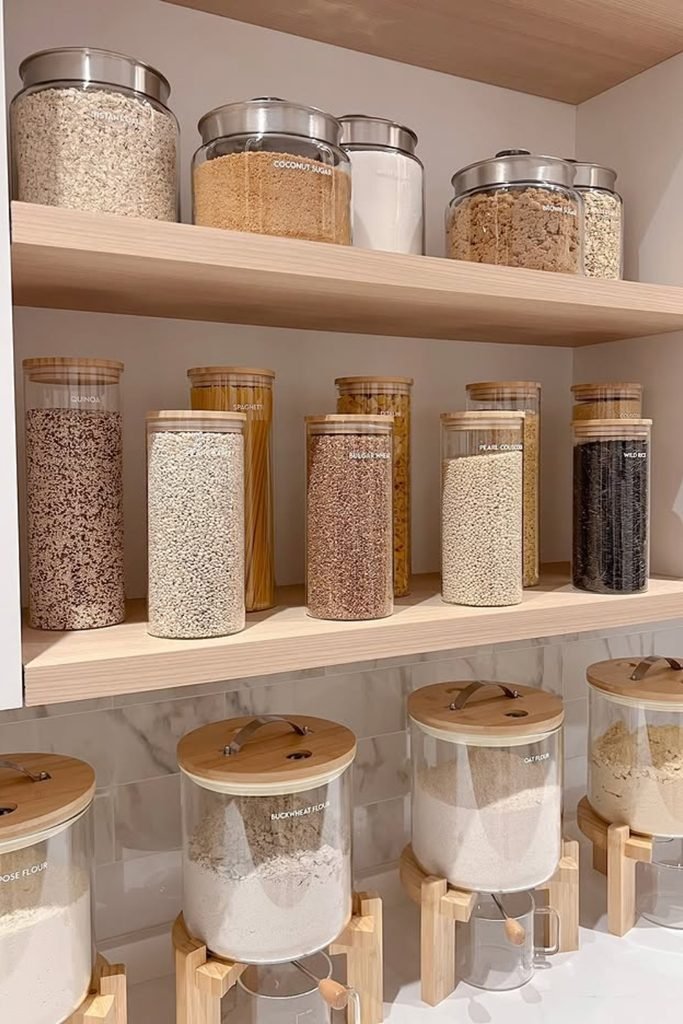
2. Put Away With a Rule
Give every regularly purchased item a predictable storage location before new groceries enter the pantry after each shopping trip.
Return products to those same locations instead of filling whichever empty shelf or corner happens to be available.
Consistent placement makes inventory easier to remember, keeps similar items visible together, and prevents the pantry from slowly becoming chaotic again.
Conclusion
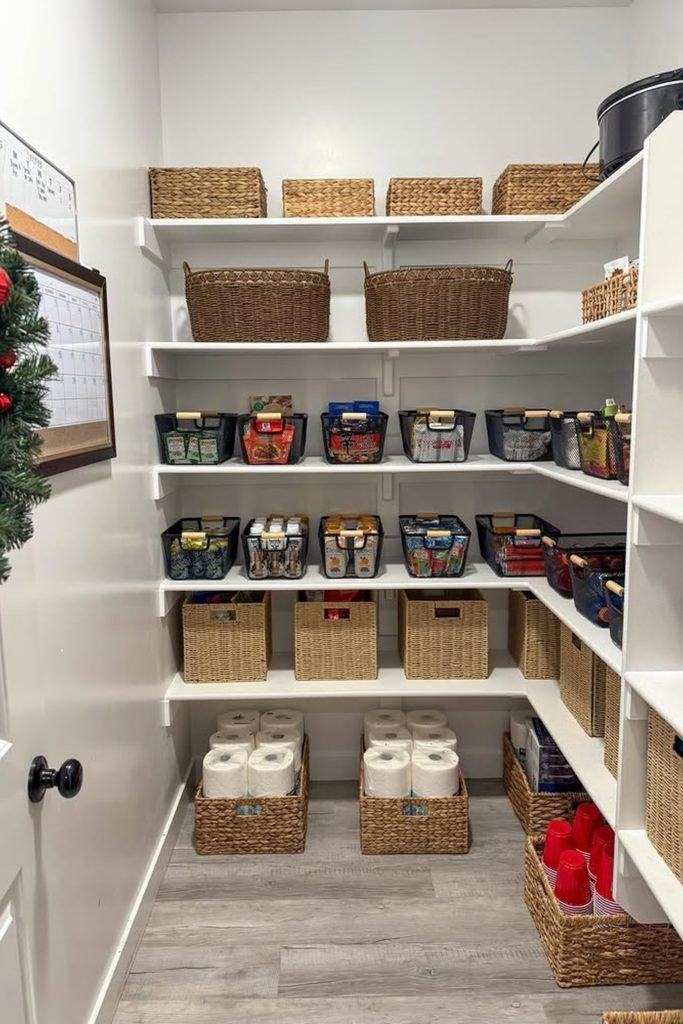
A well-organized pantry should make it easy to see what you have before you shop, cook, or restock.
The prioritize visibility, predictable placement, & simple rotation habits instead of trying to make every shelf look perfectly styled.
You can use your pantry’s shape, household routines, & available space to decide which organization methods will actually remain practical.
When inventory stays visible & easy to maintain, duplicate purchases, forgotten food, & unnecessary waste naturally become less common.
FAQs
How Do You Organize a Pantry With No Extra Storage Space?
Start by removing duplicates, expired food, and packaging that takes up more shelf space than necessary.
Use shelf height efficiently with stackable containers or risers while keeping frequently used products clearly visible.
Avoid overcrowding shelves because squeezing in more food usually makes existing inventory harder to see and remember.
Give each regularly used item a consistent place so limited storage feels easier to manage without adding extra space.
Should You Take Food Out of Its Original Packaging?
Decant foods like flour, rice, sugar, cereal, or pasta when containers improve freshness, visibility, and shelf efficiency.
Keep products in original packaging when labels contain important allergen information, cooking directions, or identification you may need later.
If you decant something with an expiry date, transfer that date onto the container so food does not become untraceable.
The goal is not matching containers everywhere; only decant when doing so makes storage or inventory management genuinely easier.