A messy cupboard is not always a sign that you own too much stuff, often, the real issue is category collision.
When clothes, documents, linens, and miscellaneous items share the same space, clear boundaries disappear and everything becomes harder to manage.
Without a defined home for each category, items drift between shelves, piles overlap, and finding what you need takes more time.
In this article I will show you a function-based zoning system that gives every category its own practical, easy-to-maintain place.
Let’s jump in!
Why Does Cupboard End Up Holding Everything Unrelated?
One cupboard often becomes the default place for anything that does not have a clearly assigned storage space elsewhere in the home.
The clothes may occupy one shelf while files, spare linens, bags, and rarely used items slowly begin filling the remaining areas.
Because these items serve completely different purposes, they cannot follow one simple organizing rule or naturally stay grouped together.
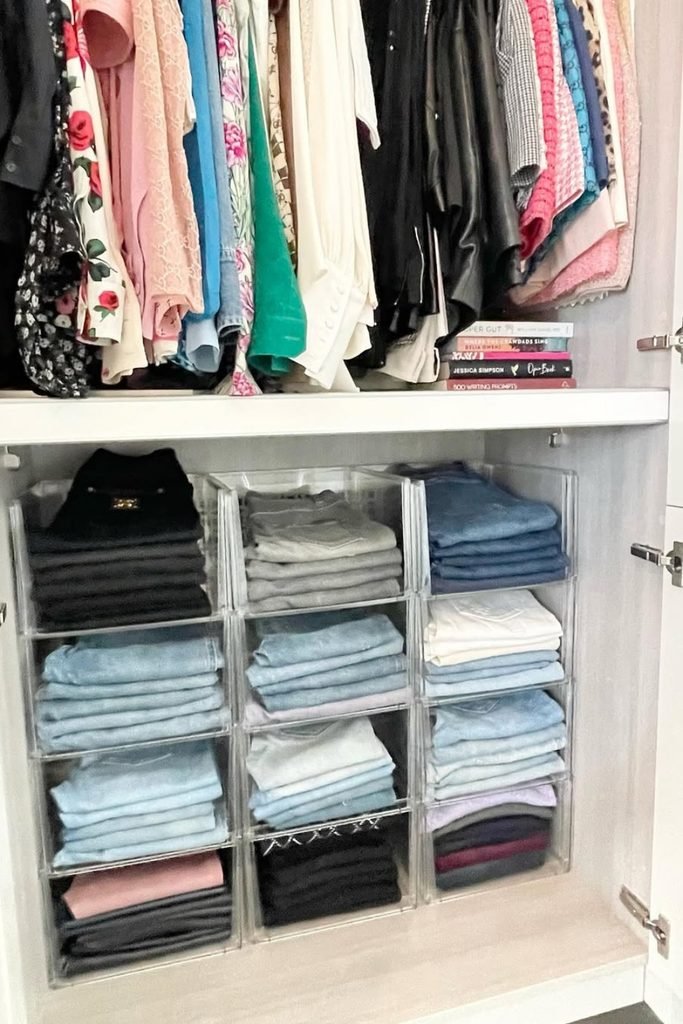
As more unrelated categories enter the cupboard, their boundaries start overlapping, making shelves harder to understand & maintain consistently.
The system eventually breaks down because the cupboard is functioning as several different storage spaces without being divided according to those functions.
You Can Never Remember Where You Kept Something
Remembering where something belongs becomes difficult when several unrelated categories are stored together without clear physical boundaries between them.
This is category collision: files may sit beside bedsheets, accessories may mix with paperwork, & spare items may move between shelves.
Because each shelf represents several different purposes, your brain cannot easily associate that location with one predictable type of item.
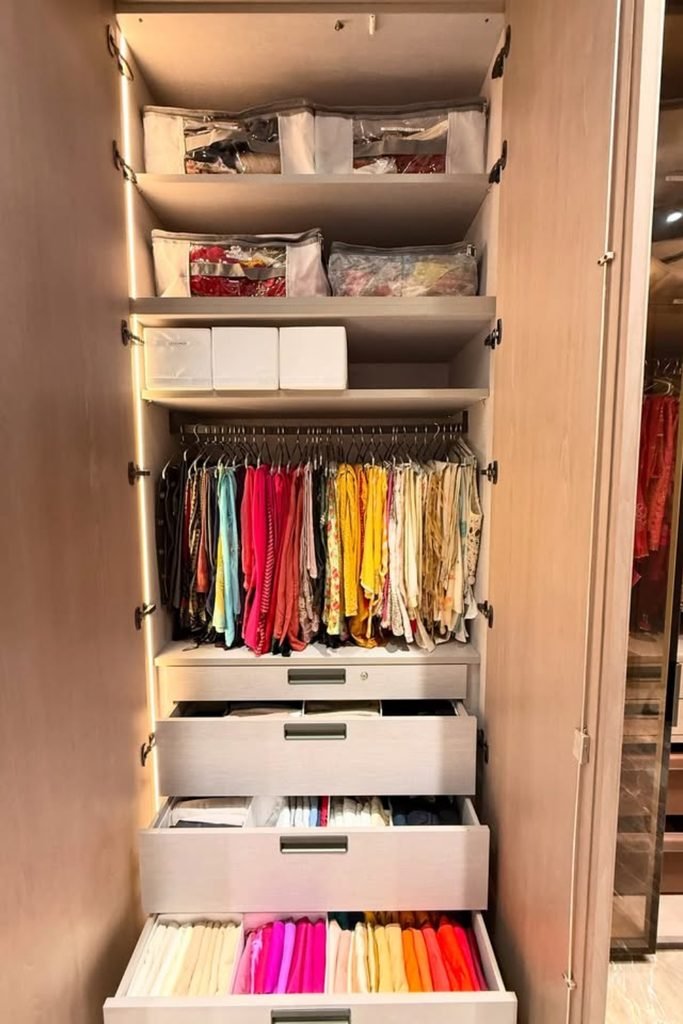
You may remember putting something “in the cupboard,” but not whether it was beside clothes, documents, linens, or miscellaneous storage.
Each time items are moved to make room for another category, that mental map changes again & makes retrieval even less predictable.
Giving every category a fixed zone creates consistent location cues, making it much easier to remember exactly where things belong.
How to Divide Cupboard?
Instead of treating the cupboard as one large storage space, divide it into smaller zones based on what each area needs to hold.
Each mini-zone should have one fixed function, so unrelated belongings do not slowly spread into neighboring shelves or sections.
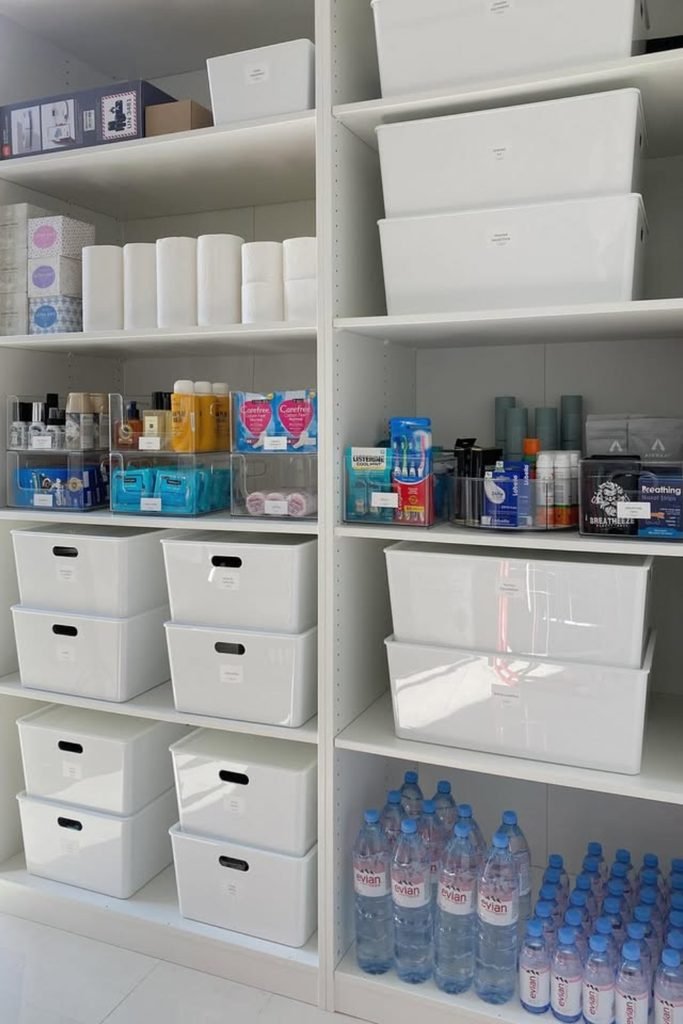
This makes it easier to know where something belongs before putting it away & where to look when you need it.
Clear zones also make the cupboard easier to maintain because every category already has a defined boundary & permanent home.
1. Everyday-Use Section
Reserve the easiest-to-reach area for belongings you use regularly, such as everyday clothes, handbags, or frequently carried accessories.
Keeping these items around eye level prevents you from disturbing less-used categories whenever you need something during your normal routine.
Give them a consistent shelf or hanging area so daily use never spills into document, linen, or overflow zones.
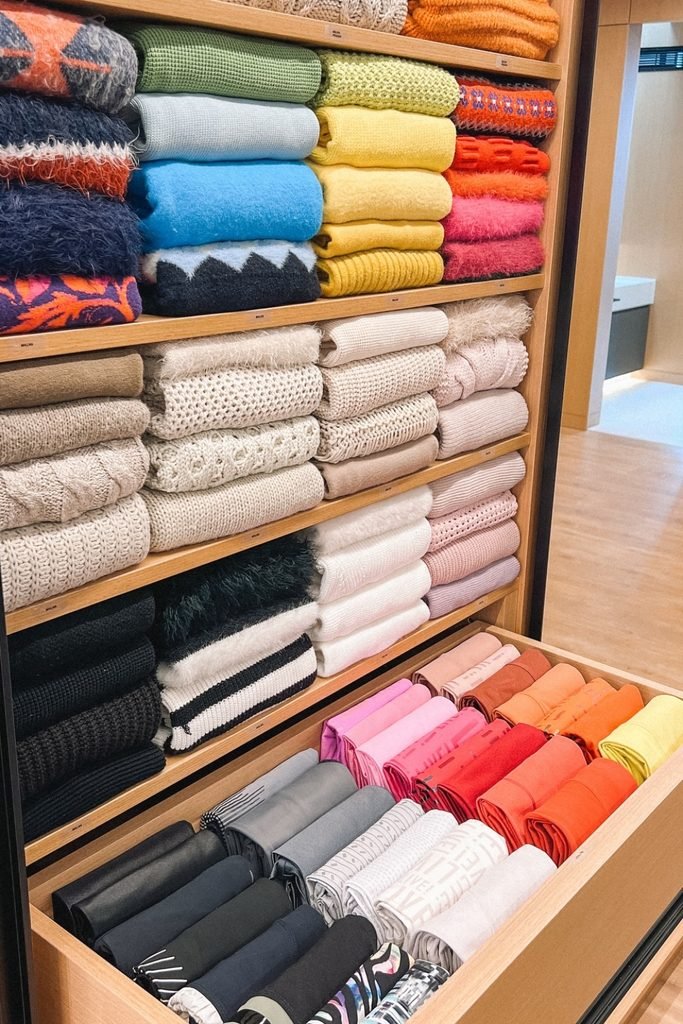
2. Important Items Section
Keep files, certificates, warranties, & other important papers inside clearly separated folders, document cases, or labeled storage boxes.
You can avoid placing paperwork between clothes or household items because loose documents quickly disappear when surrounding belongings are moved or rearranged.
Assign one protected shelf or cupboard section specifically to important papers so their location remains predictable whenever you need them.
3. Linens and Bedding Section
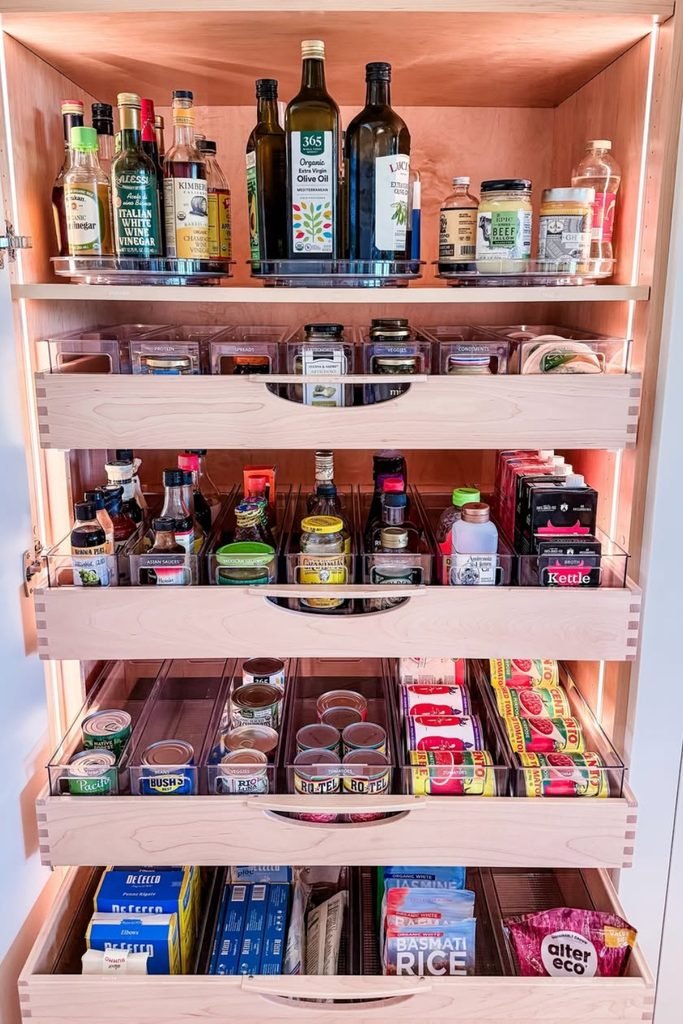
Give bedsheets, pillowcases, towels, and other household linens their own shelf rather than fitting them into whatever empty space remains.
Fold similar pieces together and stack them neatly so one linen can be removed without disturbing unrelated items stored nearby.
Keeping the entire category together also makes it easier to see what is available without searching through clothes or miscellaneous storage.
4. Miscellaneous/Overflow Section
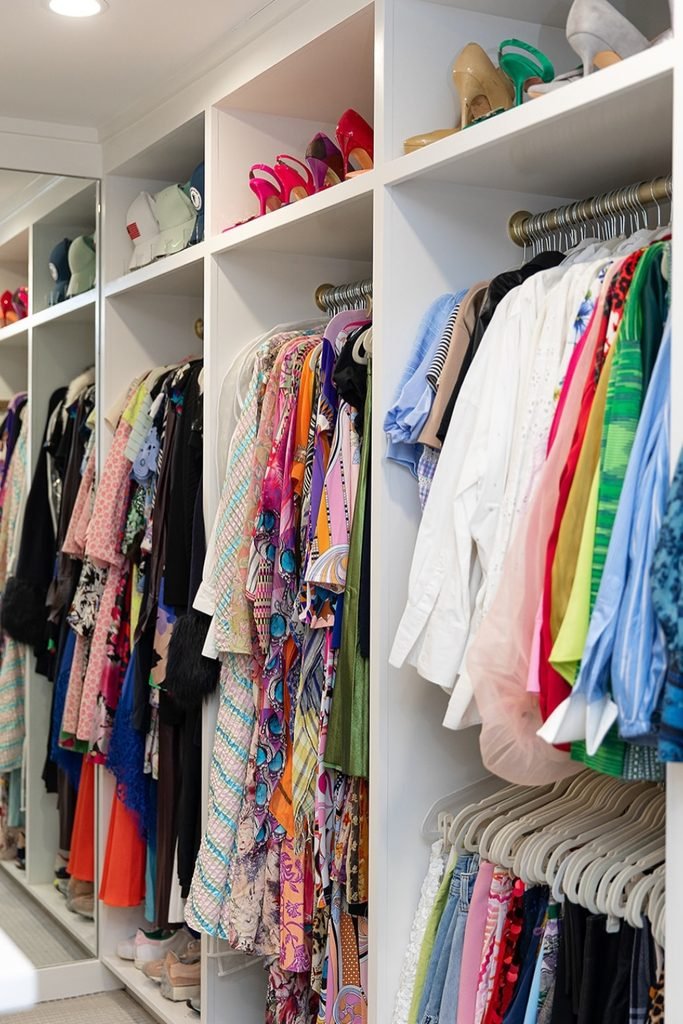
Reserve one small box or container for useful items that genuinely do not belong within your cupboard’s main functional categories.
A fixed container prevents these odd belongings from being dropped randomly onto shelves where they gradually interfere with established category boundaries.
Keep this zone deliberately limited so miscellaneous storage remains controlled instead of becoming another catch-all area for everything without a home.
Organizing by Category Purity
Available space should not decide where an item goes, because filling random gaps eventually spreads the same category across several different locations.
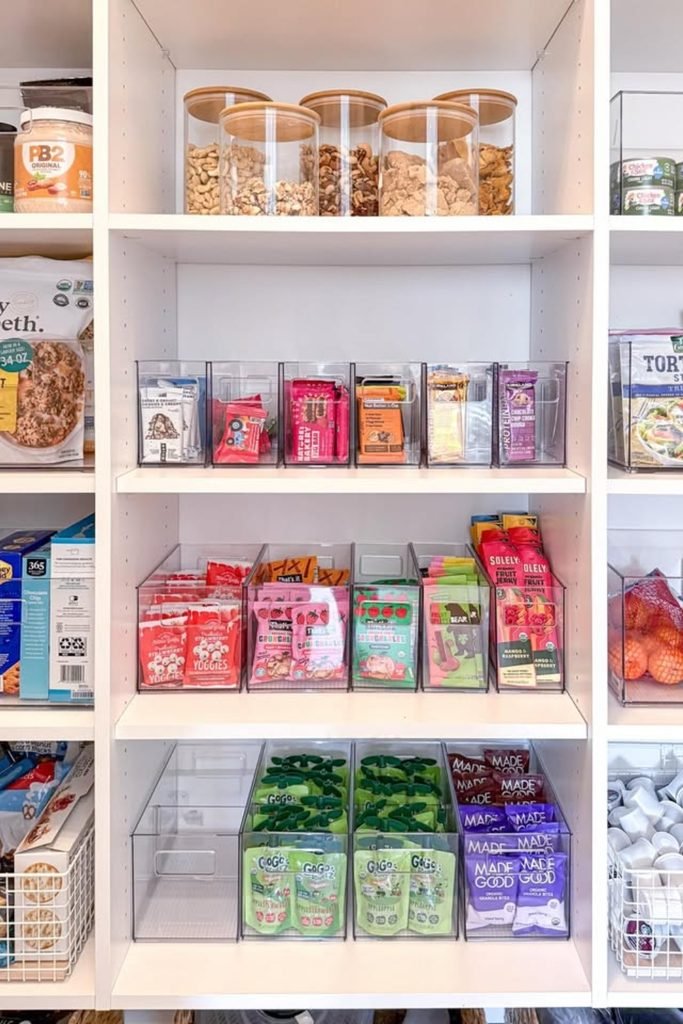
Category purity means keeping similar belongings together in one fixed zone, even when another shelf temporarily has more open room.
This creates predictable storage boundaries and prevents unrelated items from mixing simply because an empty corner happened to be available.
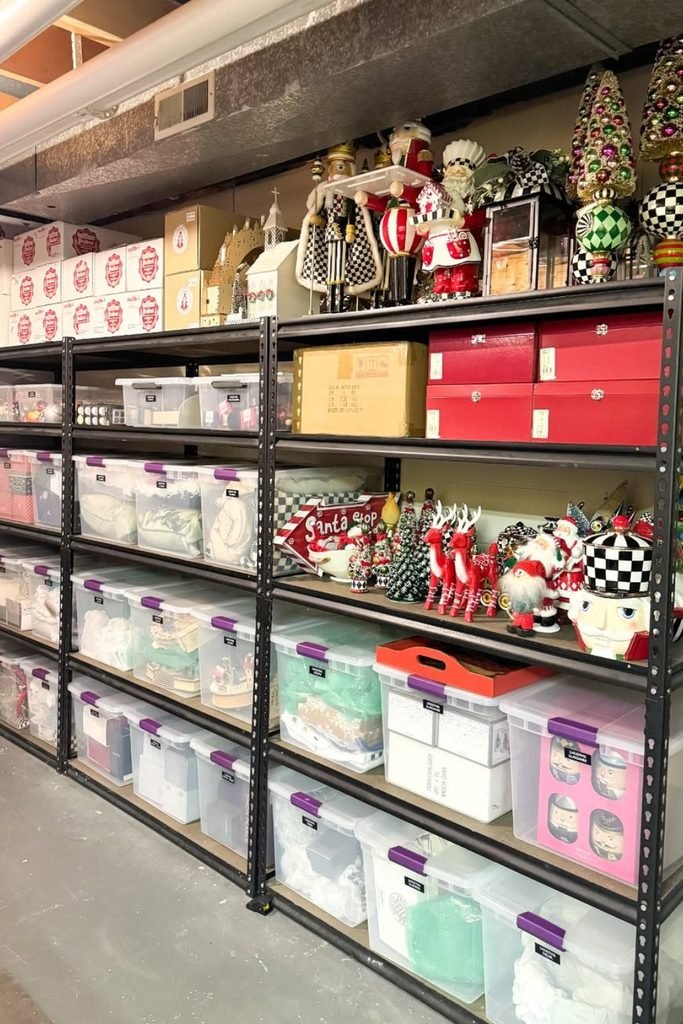
1. One Shelf, One Category Rule
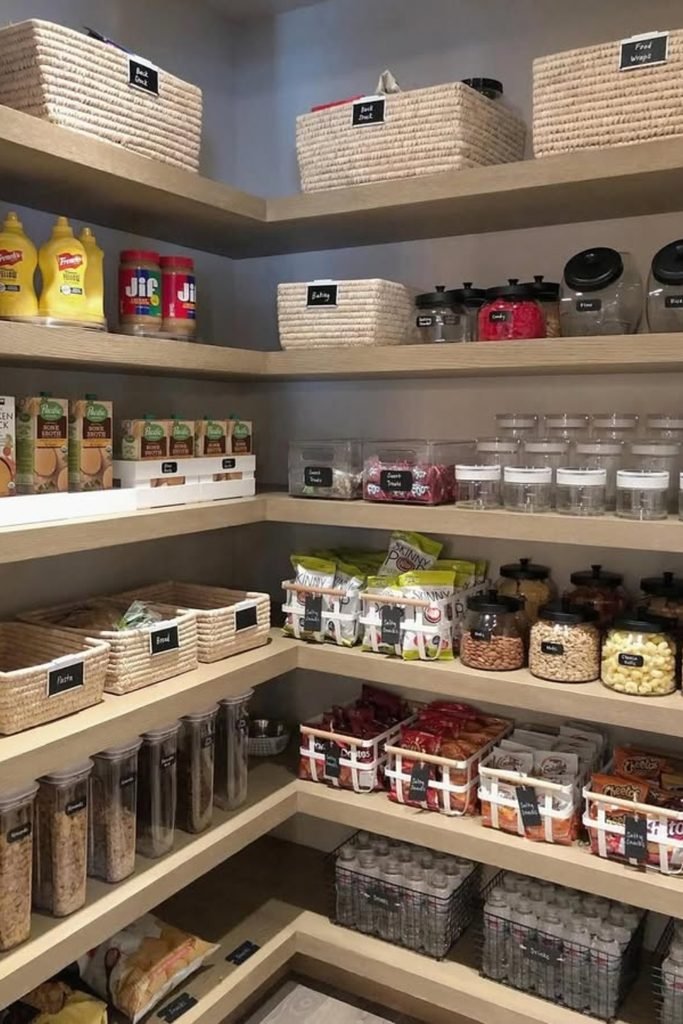
Whenever possible, dedicate each shelf to one category so its purpose remains obvious every time you open and use the cupboard.
Avoid filling leftover gaps with unrelated belongings, because even a few mixed items can gradually turn a clear shelf into shared storage.
If one category needs more room, adjust its boundary deliberately rather than allowing individual items to spread randomly across other sections.
2. The Overflow Box Exception
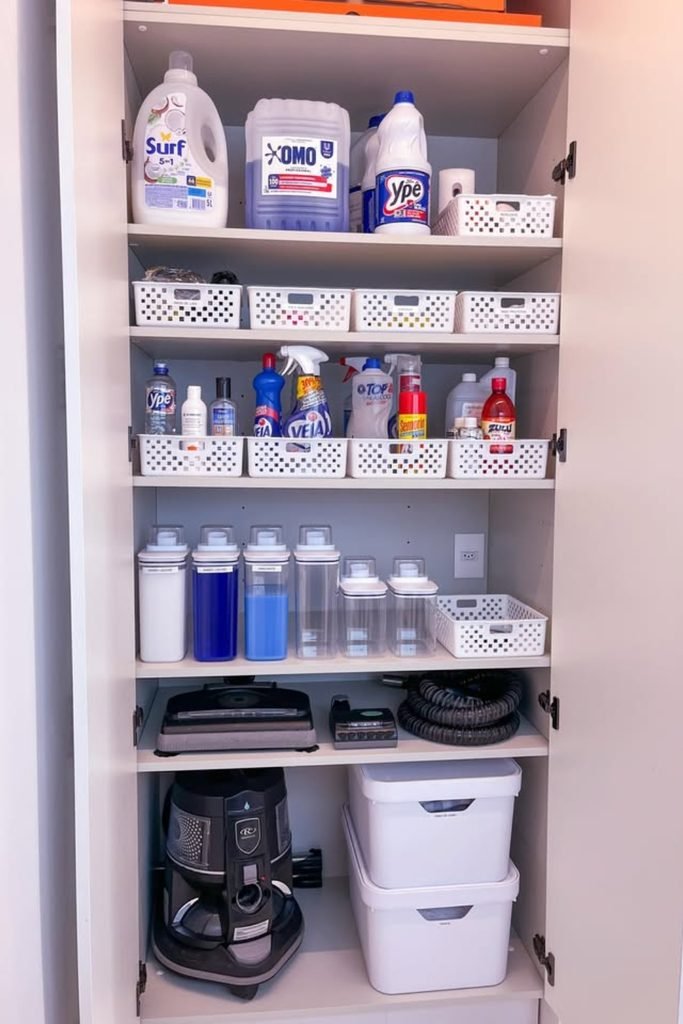
Keep one designated overflow box for items that temporarily lack a proper category or need to be sorted and relocated later.
This box works as a controlled exception, preventing undecided belongings from being placed randomly throughout otherwise organized cupboard zones.
Review it regularly and move items to permanent homes, because an overflow box should never become long-term miscellaneous storage.
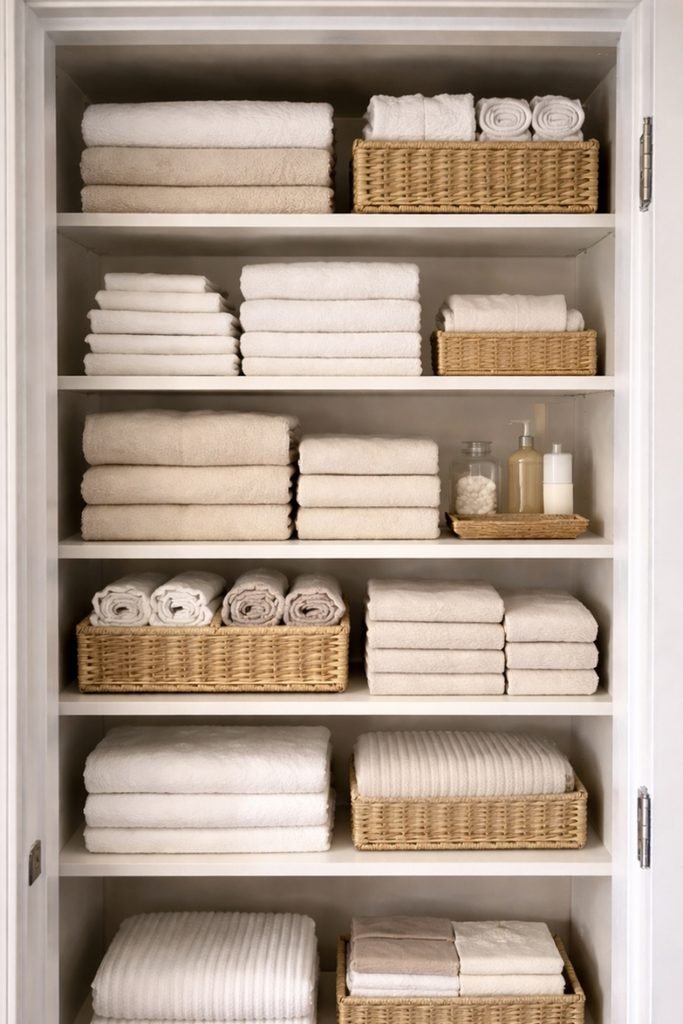
3. Seasonal Rotation Section
Move off-season clothing, extra blankets, and seasonal accessories into a separate upper shelf, container, or less-accessible cupboard section.
This keeps current-use categories from competing for space with belongings that may not be needed again for several months.
When seasons change, rotate the stored items instead of permanently crowding everyday zones with both current and off-season belongings.
Setting Up a Boundary System
Physical boundaries are what keep a function-based cupboard system from slowly collapsing back into mixed, confusing storage.
Use shelf dividers, bins, baskets, or labeled boxes to clearly separate categories that would otherwise spread into nearby open space.
Each boundary should make it obvious where one category ends and another begins, even when the cupboard becomes fuller over time.
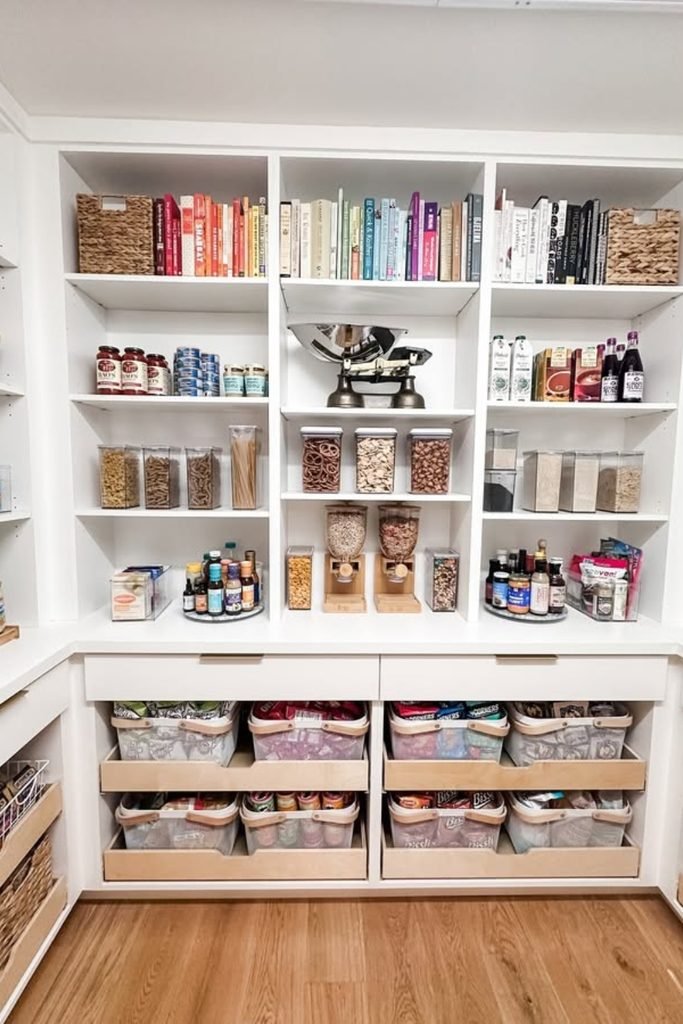
Containers are especially useful for smaller belongings that tend to migrate between shelves or get pushed underneath larger items.
When every category has a visible limit, it becomes much harder for unrelated belongings to quietly take over another section.
Which Items Should Never Share the Same Shelf?
Some categories should stay completely separate because mixing them can create damage, hygiene problems, or make important belongings harder to find.
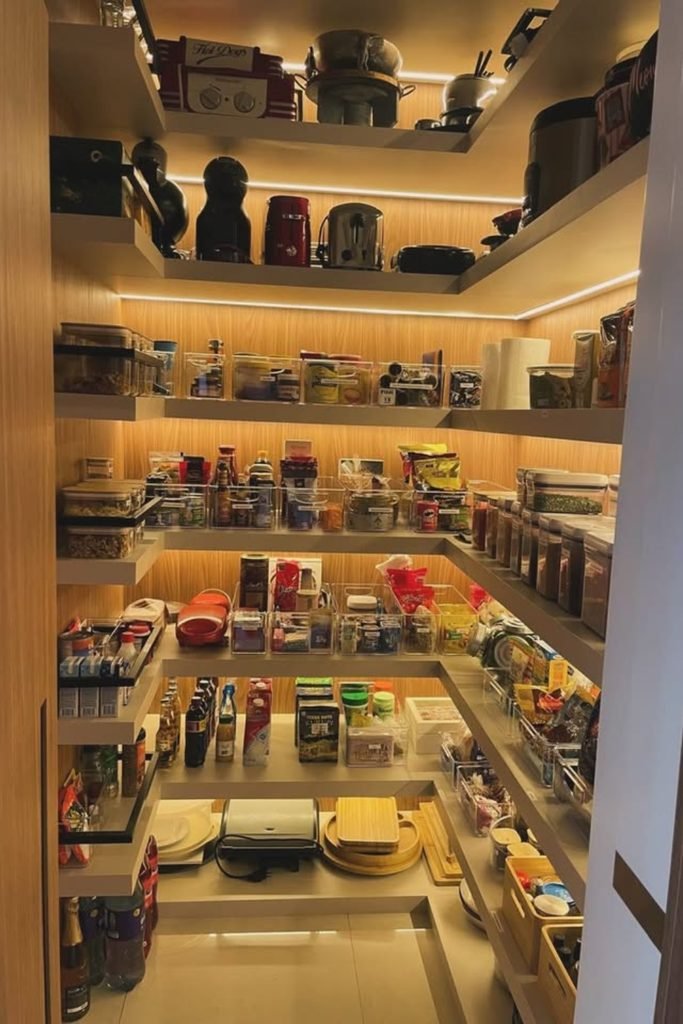
Knowing these incompatible pairings helps you decide when a separate shelf, closed container, or entirely different cupboard is the better choice.
| Item Pair | Why They Shouldn’t Mix | Better Placement |
| Important documents + everyday clothes | Papers can get buried, folded, misplaced, or damaged when clothes are frequently removed and returned. | Keep documents inside a labeled folder, file box, or separate protected shelf. |
| Food items + non-food belongings | Food can transfer odors, spills, crumbs, or contamination to clothes, papers, and household items. | Store food in a dedicated kitchen or pantry cupboard away from non-food storage. |
| Cleaning products + linens | Leaks, strong scents, or chemical residue can transfer onto towels, sheets, and other fabrics. | Keep cleaning products in a separate utility area or contained lower cupboard. |
| Shoes + folded clothes | Dirt, dust, and odors from footwear can spread onto clean clothing and fabrics. | Keep shoes on a dedicated lower shelf, rack, or enclosed shoe container. |
| Toiletries + important papers | Bottles can leak and moisture can damage certificates, files, receipts, or other paper items. | Place toiletries in a washable bin and keep documents in a dry, separate zone. |
Manage Hard-to-Reach Cupboard Shelves
Deep cupboards become frustrating when frequently used belongings are pushed behind items that rarely need to be moved.
Use shelf depth and height strategically, placing less-accessed categories farther away while keeping regular-use belongings within easy reach.
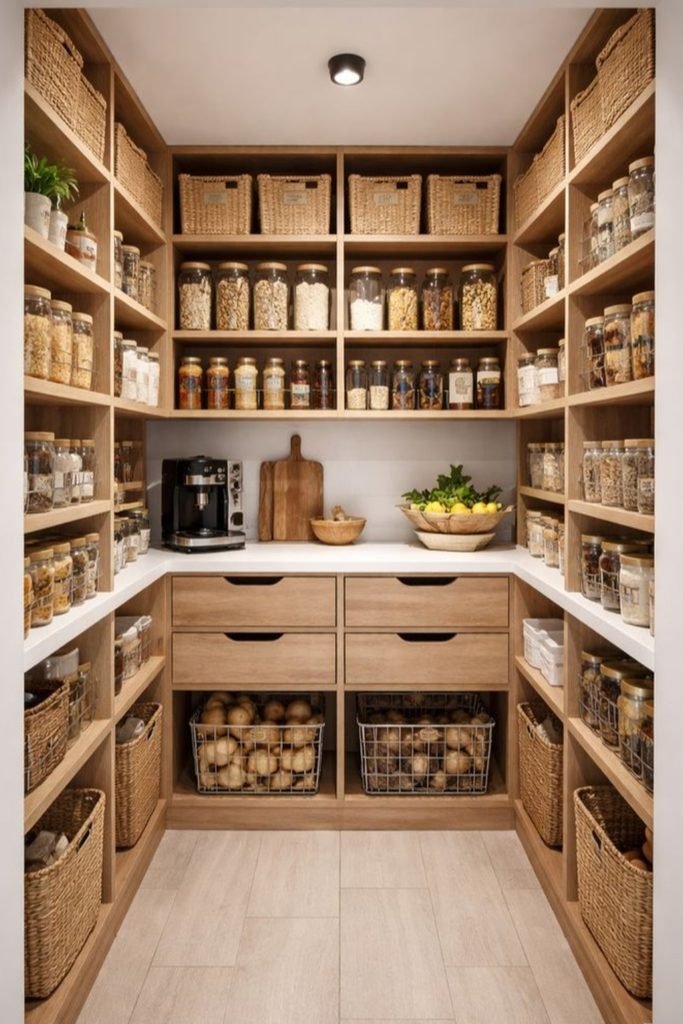
This keeps difficult spaces useful without forcing you to disturb several categories every time you need something from the cupboard.
1. Top Shelf (Rarely Needed)
Reserve the highest shelf for seasonal clothing, spare bedding, luggage accessories, or other belongings you only need occasionally.
Keeping rare-use items above everyday zones prevents them from occupying valuable space that should remain convenient for regular access.
Store them in labeled containers so you can identify what is there without repeatedly pulling down multiple boxes to check.
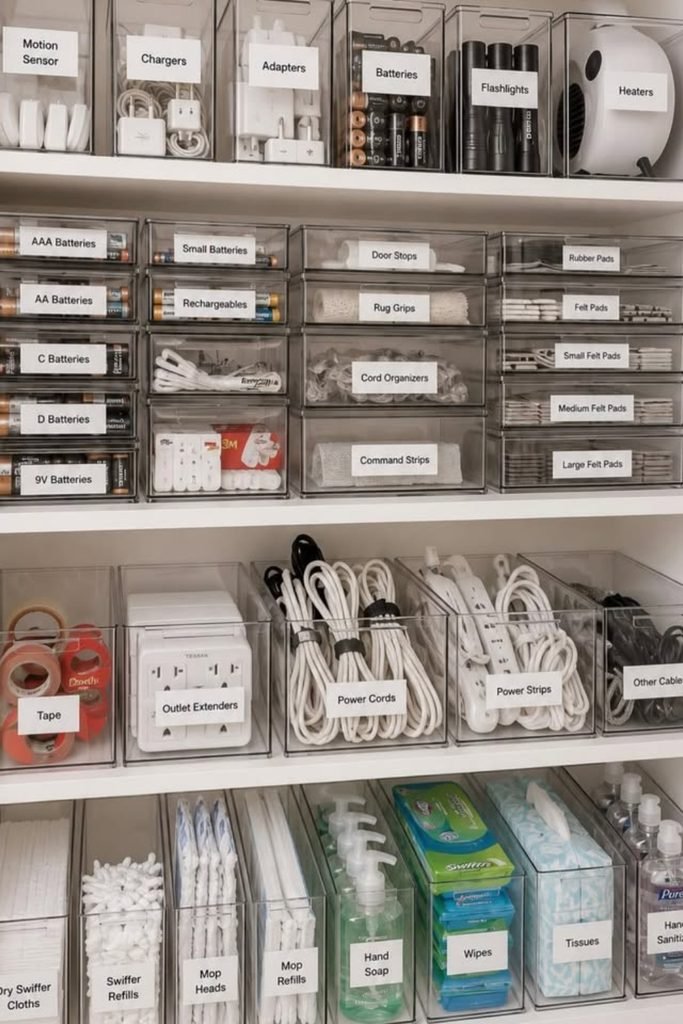
2. Bottom Shelf (Heavy Items)
Use lower shelves for heavier belongings such as extra blankets, bulky storage boxes, or larger household items that are difficult to lift.
Keeping heavier items close to the floor reduces the risk of dropping them while reaching from an awkward or elevated position.
It also prevents bulky categories from taking over eye-level shelves better suited to lighter belongings you use more frequently.
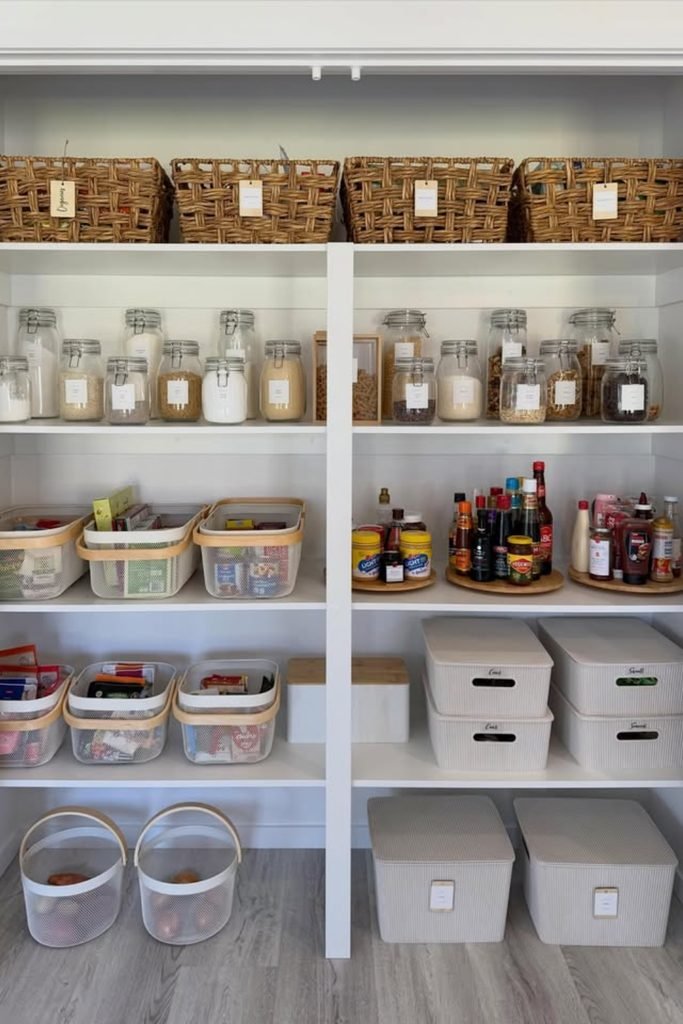
Keeping Shared Cupboard Space Conflict-Free
Shared cupboards become messy quickly when several people use the same shelves without knowing which areas belong to whom.
Assigning clear personal and shared zones prevents belongings from crossing into another person’s space and creating repeated confusion.
The system should make ownership obvious while still leaving one neutral area for household items everyone needs to access.
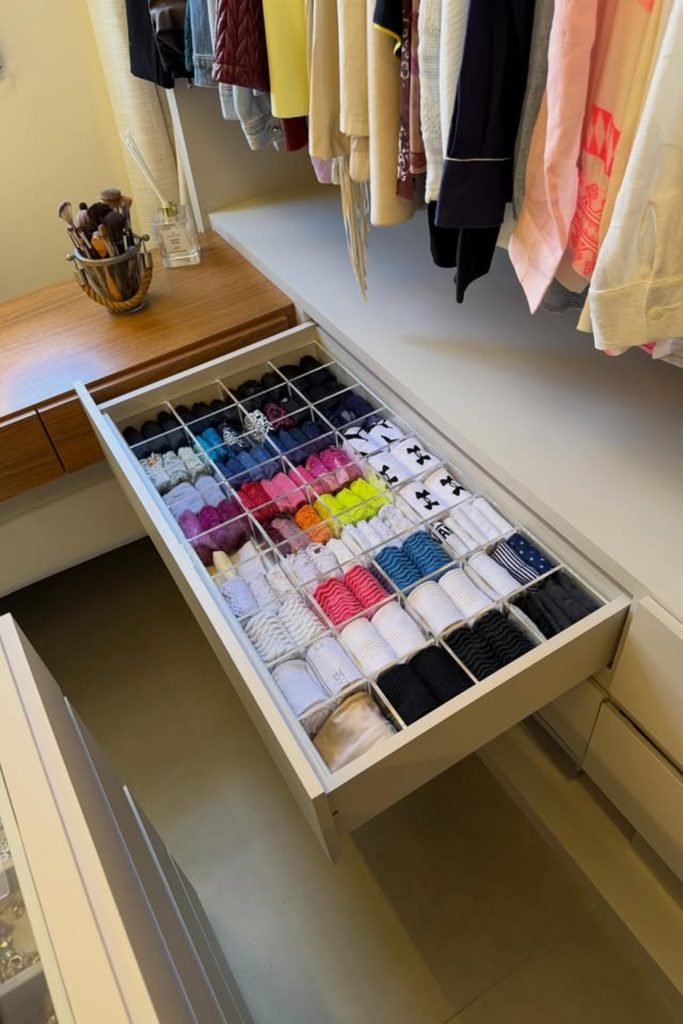
1. Individual Assigned Sections
Give each family member a fixed shelf, drawer, basket, or cupboard section that remains exclusively for their own belongings.
Clear ownership makes putting things away easier and prevents clothes, accessories, school items, or personal supplies from getting mixed together.
For children, simple labels or visible containers can make the assigned boundaries easier to understand and follow independently.
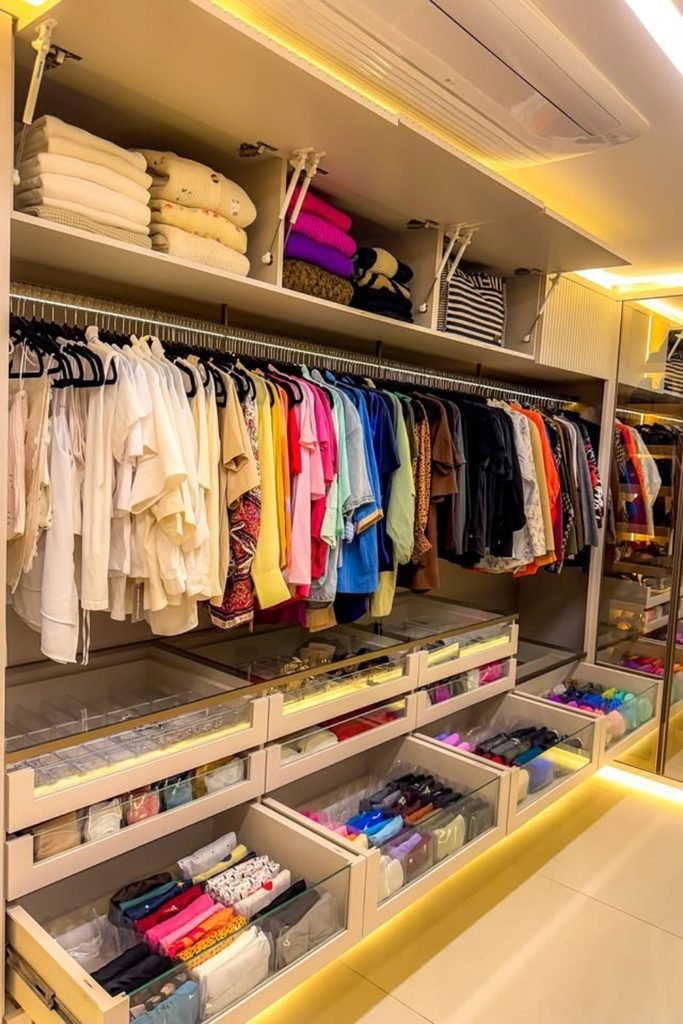
2. Shared Item Zone
Create one neutral section for belongings everyone uses, such as extra towels, shared supplies, spare bedding, or common household accessories.
Keeping shared items separate prevents them from being placed inside someone’s personal section simply because there happens to be available space.
Choose an easy-to-reach location so everyone knows where communal belongings should be taken from and returned after use.
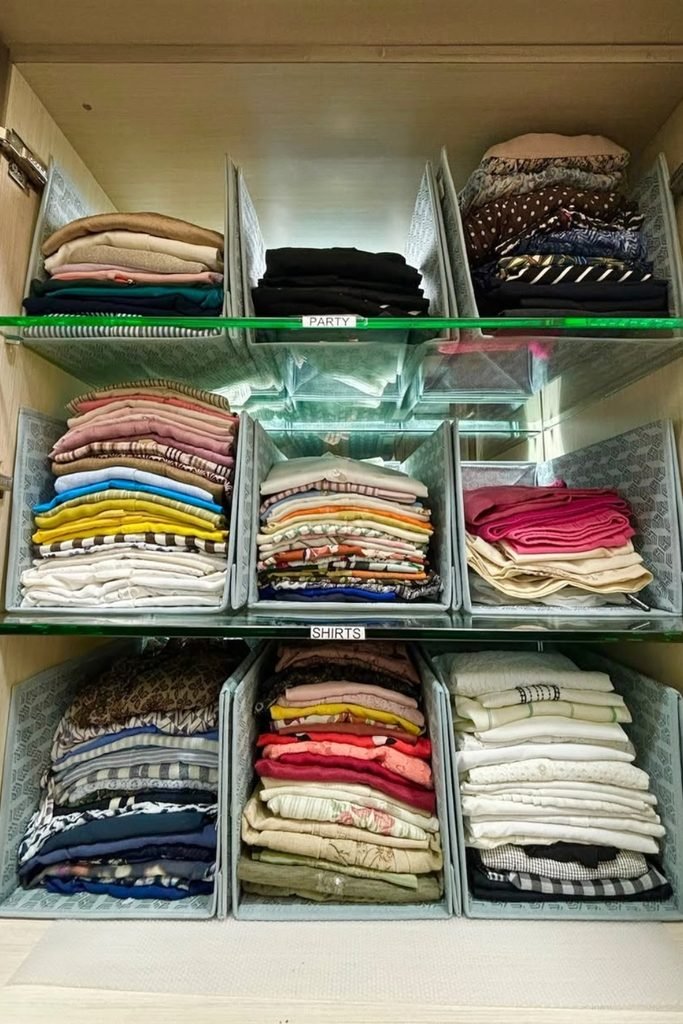
What to Do With Items You’re Unsure About Keeping?
Items you are unsure about often become permanent cupboard clutter because they never receive a clear keep-or-remove decision.
Create one dedicated “maybe” box so these belongings stay contained instead of spreading across active storage zones.
Add a simple deadline, such as three months, and avoid moving those items back into regular cupboard sections during that period.
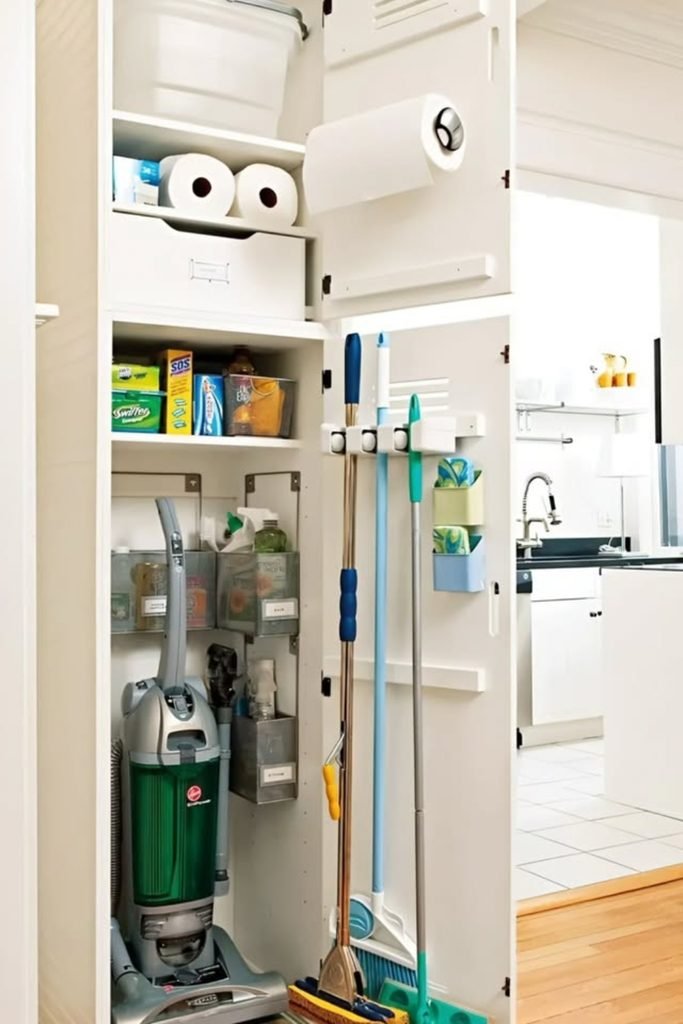
If you do not use, need, or look for an item before the deadline, treat that as a practical sign it can leave.
Donate, recycle, or discard it according to its condition rather than allowing the maybe box to become permanent overflow storage.
The Put-Back System
A good cupboard system only lasts when every item returns to the same functional zone after it has been used.
The goal is to stop random put-backs before they slowly blur the clear boundaries you created between different categories.
A simple placement habit and quick weekly check are usually enough to keep category collision from rebuilding over time.
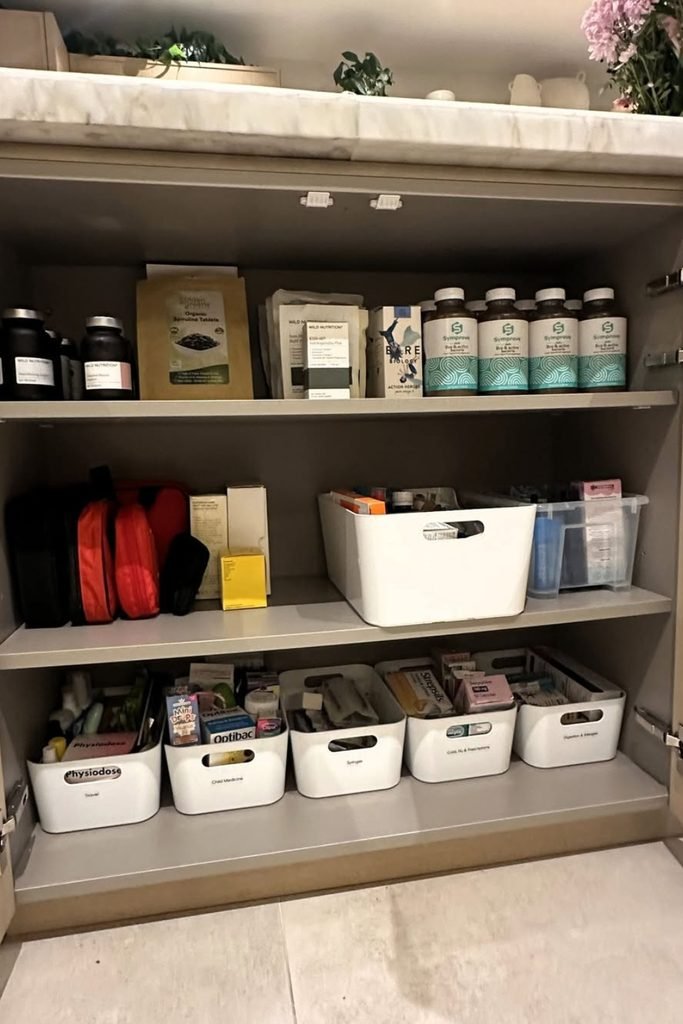
1. Check the Zone
Before putting anything away, ask which section that item belongs to instead of choosing the nearest available empty space.
This small pause keeps clothes with clothes, documents with documents, and linens with linens even when another shelf looks more convenient.
If an item has no obvious zone, decide whether it needs a new category or belongs in the temporary overflow box.
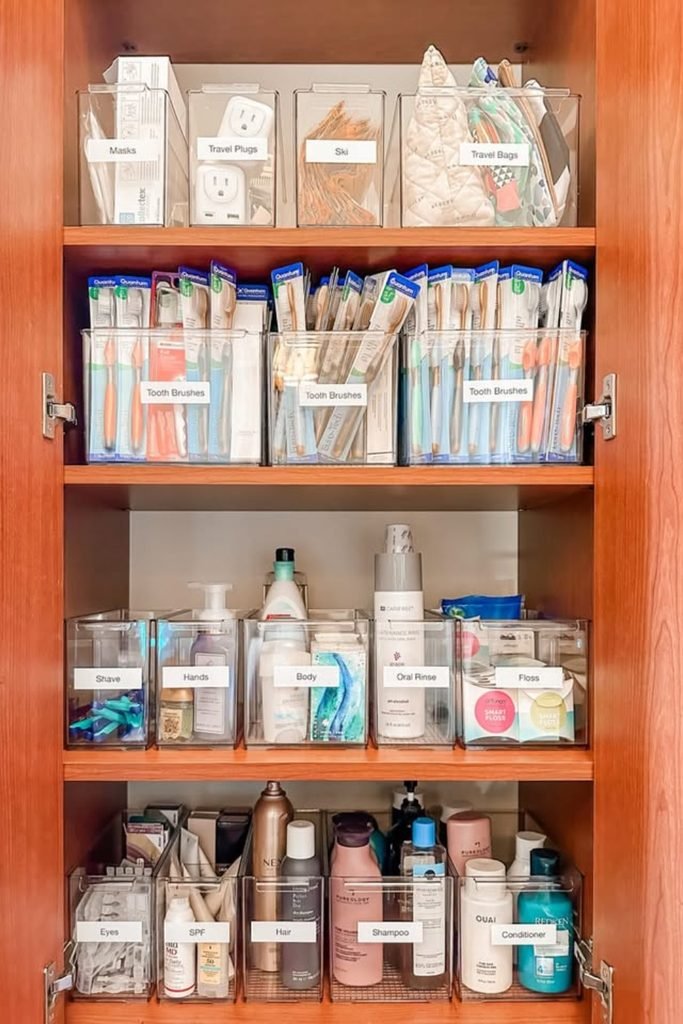
2. The Weekly Boundary Check
Once a week, scan the cupboard for items that have crossed into another category’s shelf, bin, or assigned section.
Move misplaced belongings back immediately before a few small mix-ups grow into another confusing shared storage area.
This quick check protects the original zoning system without requiring a full cupboard reorganization every few weeks.
Conclusion
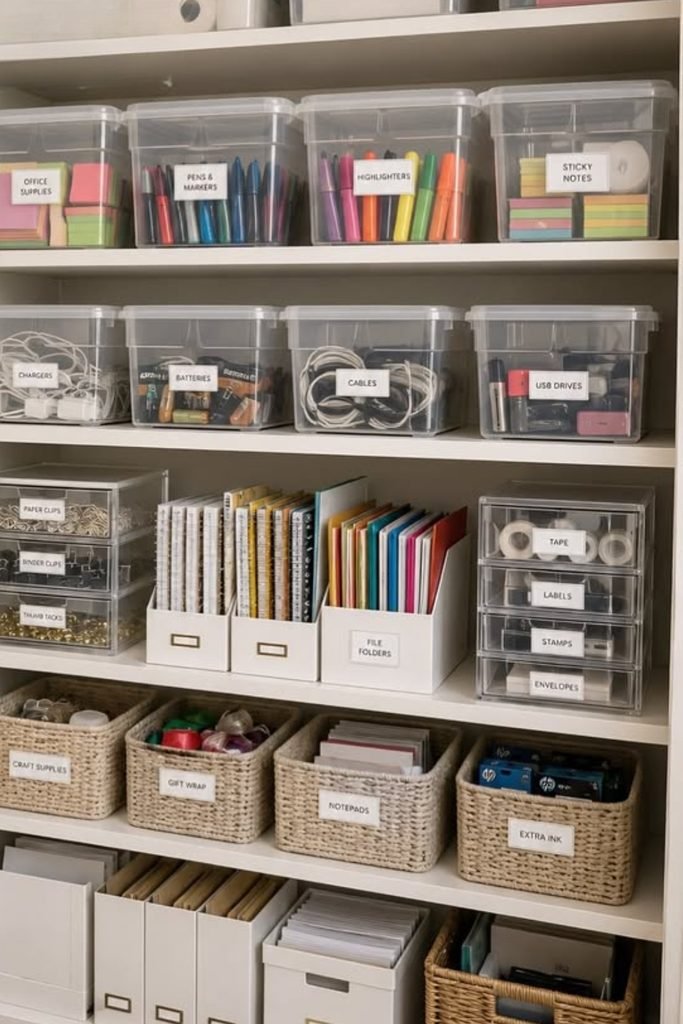
Cupboard organization becomes much easier when you stop treating the entire cupboard as one storage space & start separating it by function.
Giving clothes, documents, linens, & miscellaneous belongings fixed zones removes the category collision that makes items difficult to locate.
Physical boundaries & consistent put-back habits then keep those categories from slowly spreading into one another again.
The goal is not simply fitting everything inside, but creating a cupboard where every category has a clear & dependable home.
FAQs
How Often Should You Reorganize a Cupboard?
A full reorganization is unnecessary if every category already has a fixed zone and clear storage boundaries.
Do a quick weekly reset to return misplaced items before small mix-ups turn into another category-collision problem.
Reorganize more deeply only when seasons change, storage needs shift, or one category clearly outgrows its assigned space.
What Should you Store on the Highest Cupboard Shelves?
Use the highest shelves for seasonal clothes, spare bedding, travel items, and belongings you only need occasionally.
Keeping rarely used categories above leaves eye-level and easier-to-reach sections available for everyday belongings.
Store them in labeled containers, and avoid placing heavy or frequently used items where reaching them becomes inconvenient.