A messy playroom doesn’t always mean you need more storage bins, shelves, or baskets to keep everything organized.
The real problem is often an organization system that makes it difficult for kids to find and put away their toys.
In this article, you’ll find simple playroom organization ideas that make it easier for kids to manage their toys without your help.
Let’s jump in!
Why Does a Playroom Get Messy So Quickly?
A playroom gets messy quickly when kids have too many toys available and no simple system for putting them back.
The problem often comes from storage that looks organized but isn’t practical for children to use on their own.
1. Too Many Toys Out at Once
When every toy is available at the same time, kids often move from one activity to another without finishing anything.
Too many choices can make it harder for children to focus on one game, puzzle, or activity for long.
Keeping fewer toys out at once gives kids more room to play and makes cleaning up much easier.
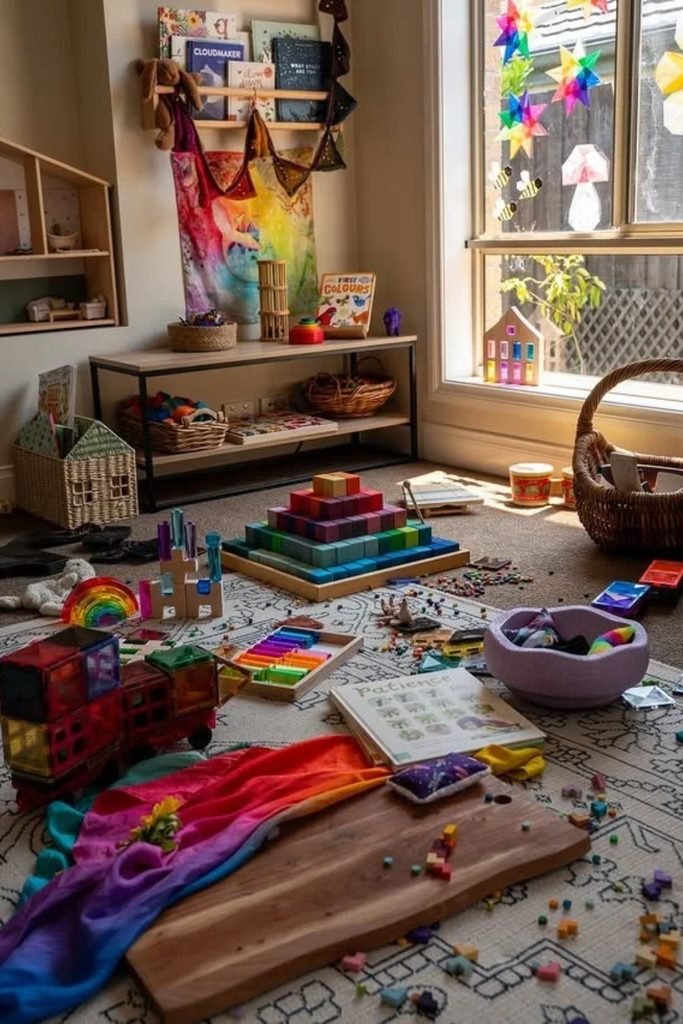
2. Storage Made for Adults
High shelves, heavy lids, and deep storage boxes may look neat, but they are often difficult for young children to use.
When kids cannot reach their toys or open storage containers easily, they depend on adults to get things out and put them away.
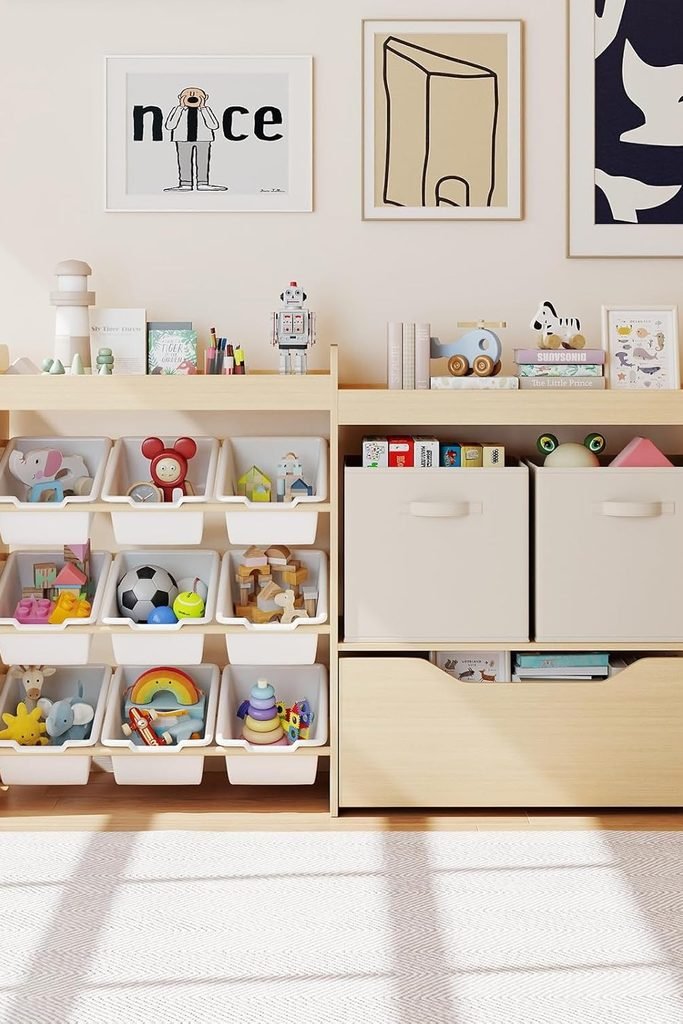
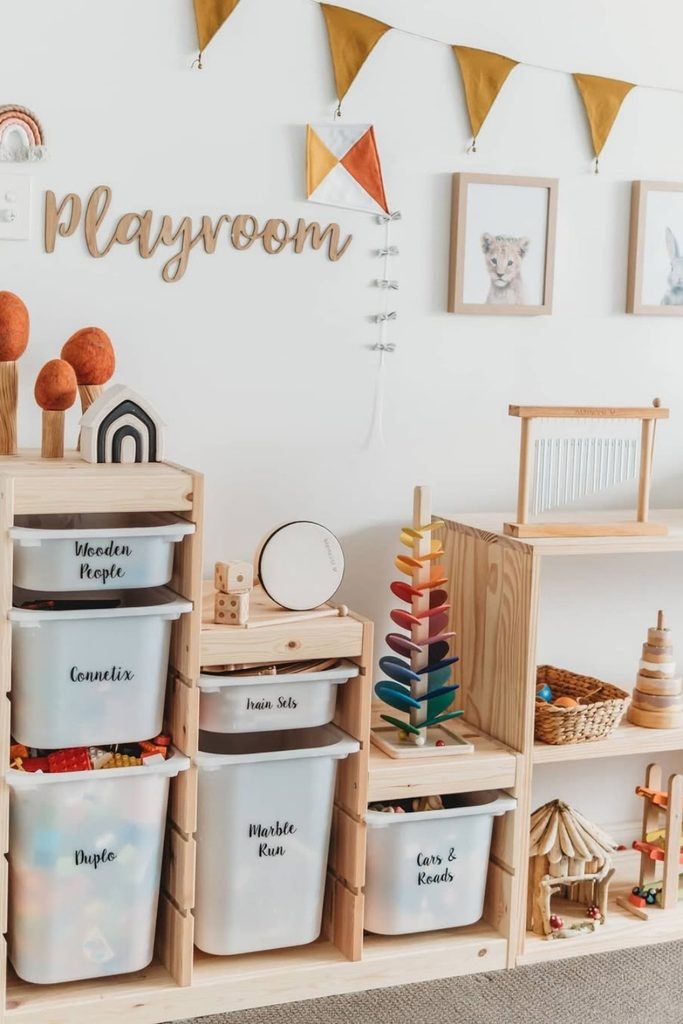
Low shelves, lightweight baskets, and open bins make it easier for children to manage their toys without asking for help.
How to Organize Toys by the Way Kids Play?
Organizing toys by activity makes it easier for kids to find what they need without pulling everything out.
Instead of mixing all toys in one place, create separate areas for building, pretend play, art, and reading.
Each activity should have its own storage space so children know exactly where to return their toys after playing.
1. Build Corner
Keep building blocks, LEGO pieces, and magnetic tiles together in one corner where kids have enough space to build.
Use separate open bins for each type of building toy so small pieces don’t get mixed up.
Place a soft mat nearby to give children a comfortable building area and make collecting scattered pieces easier.
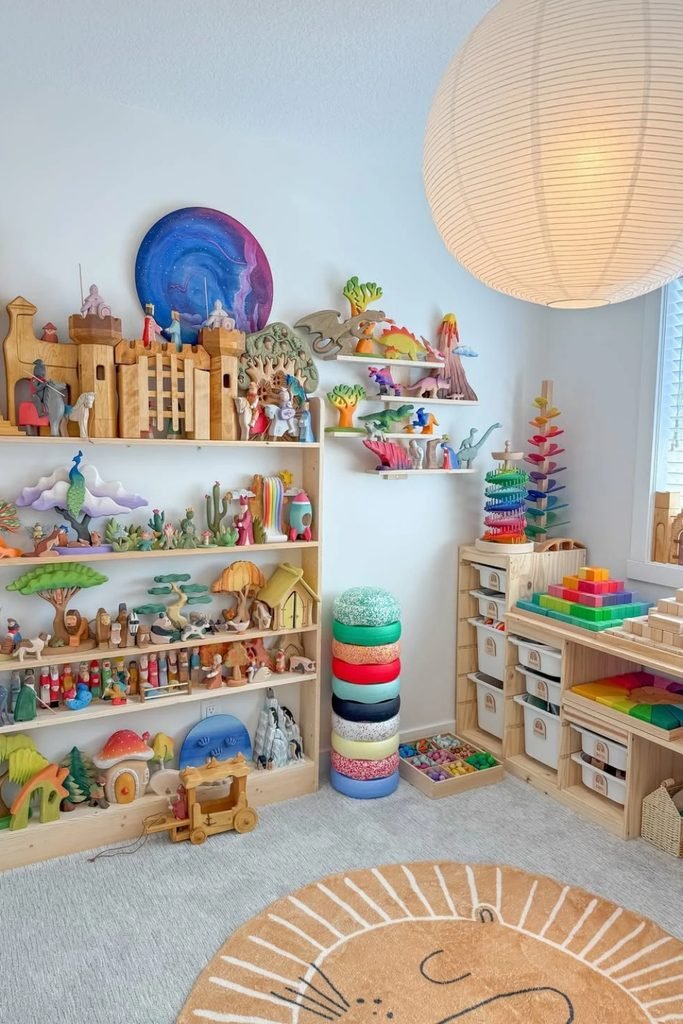
2. Pretend Play Corner
Set up a pretend play area with dress-up costumes, dolls, and a small kitchen set arranged within easy reach.
Hang costumes on low hooks and keep dolls in lightweight baskets that children can carry without help.
Place toy food and kitchen accessories beside the play kitchen so everything stays together during playtime.
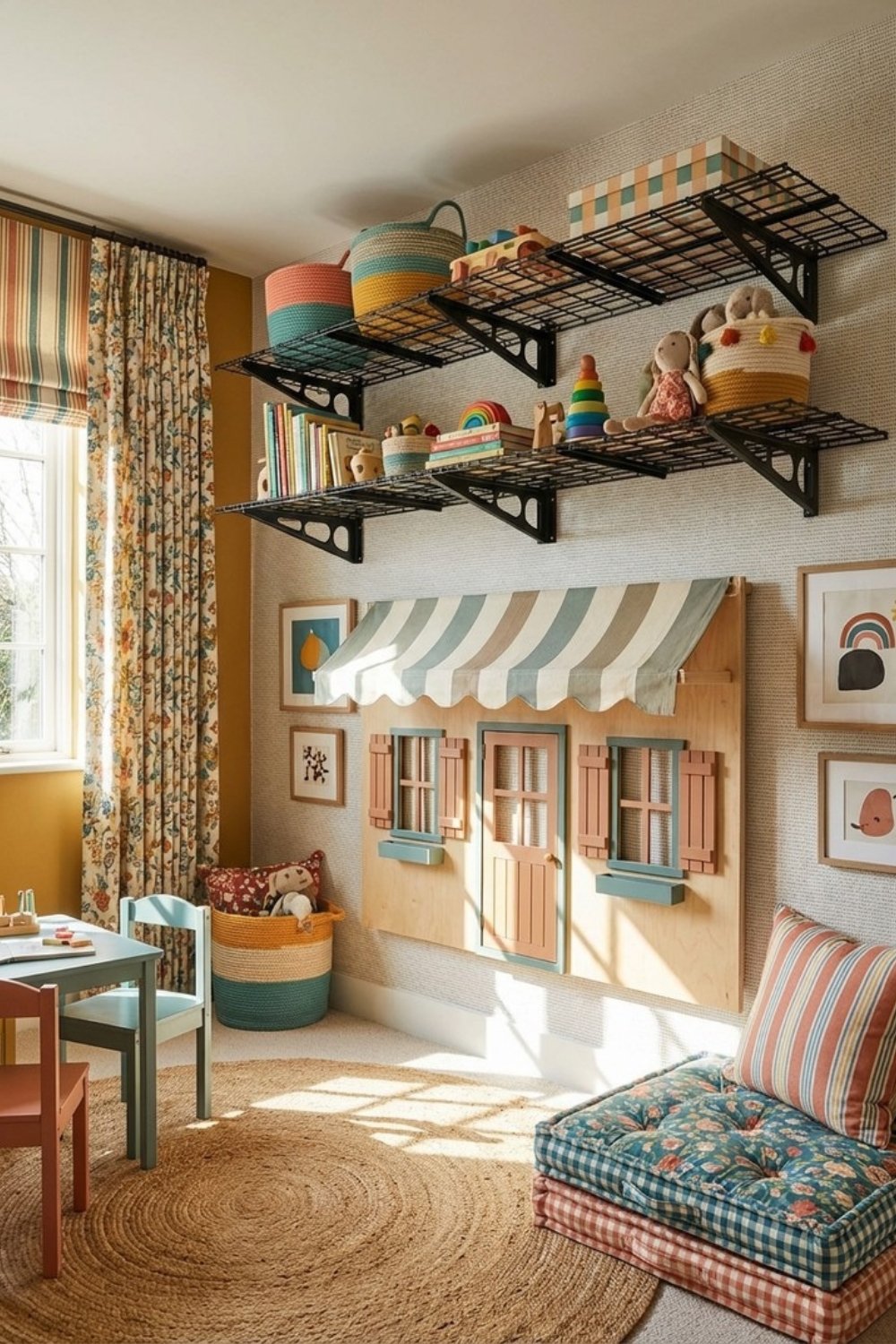
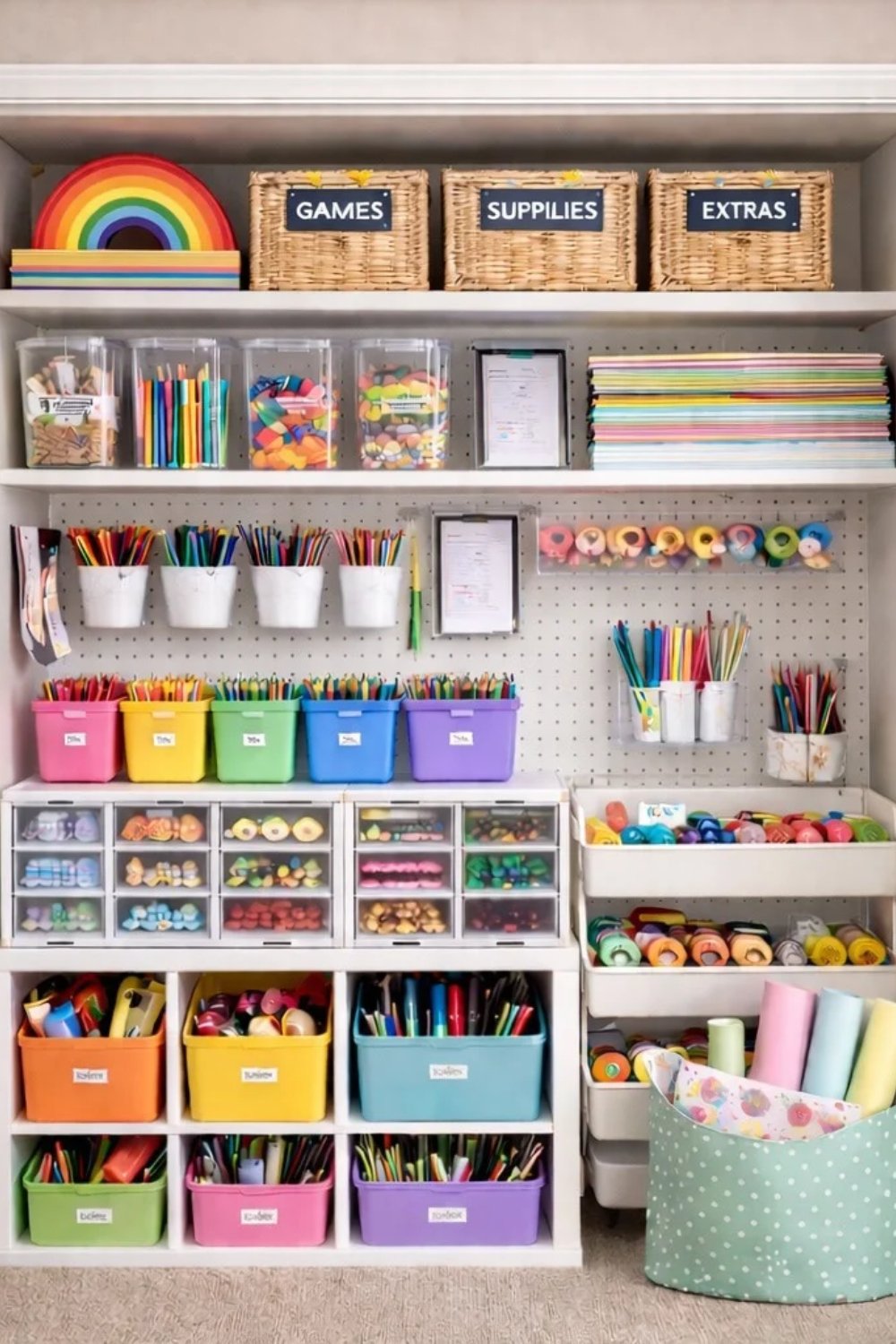
3. Art Corner
Keep crayons, markers, pencils, and paintbrushes in a portable caddy that kids can easily carry to their art table.
Store paper, coloring books, and drawing pads in a shallow tray where children can grab them without creating a mess.
Place washable paints and other messy supplies in separate containers so they don’t spill onto everyday drawing materials.
4. Reading Corner
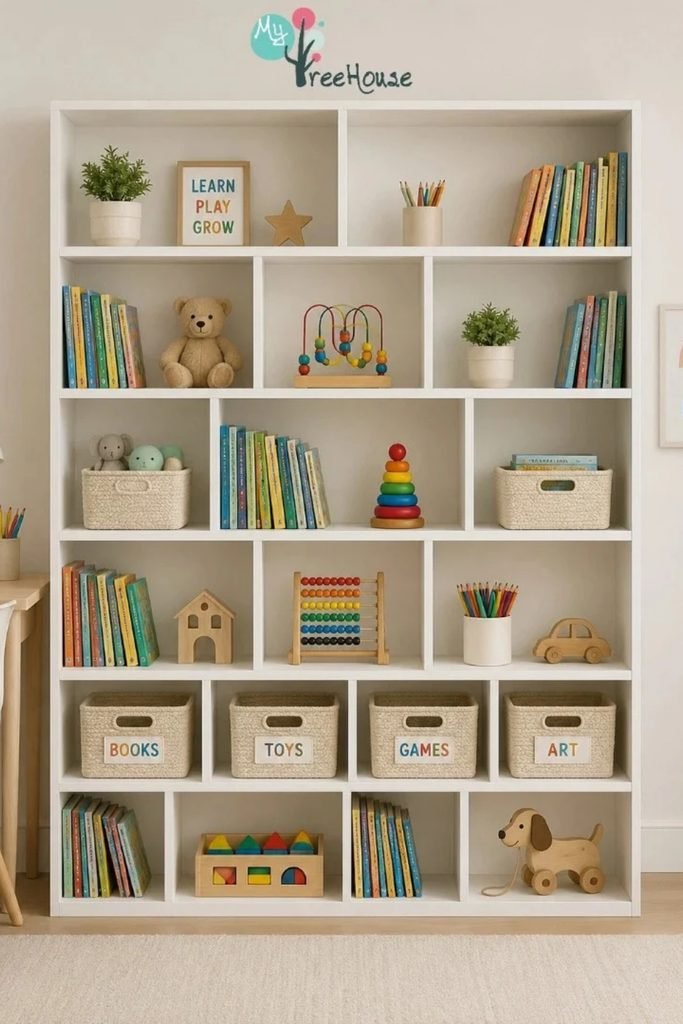
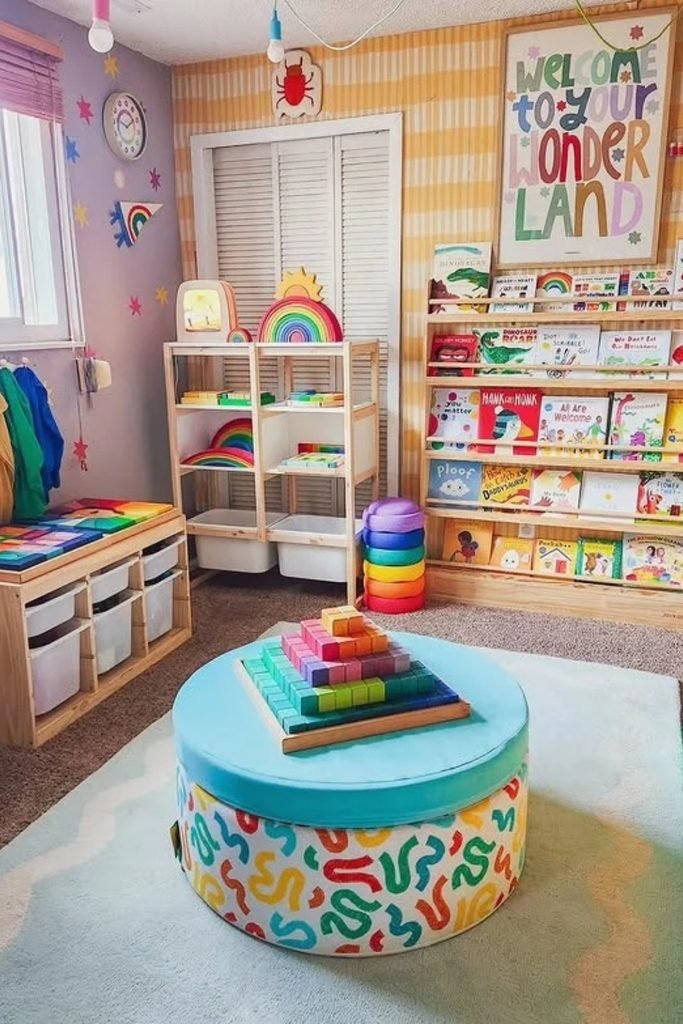
Create a quiet reading corner with a comfortable floor cushion and a small bookshelf that children can reach easily.
Arrange books with their covers facing forward so younger kids can recognize and choose their favorite stories.
Keep only a few books on display and store the remaining ones nearby to prevent the shelf from becoming overcrowded.
How Does Toy Rotation Keep a Playroom Under Control?
Toy rotation helps reduce clutter by keeping only a few toys available while storing the rest for later use.
This simple system gives kids more space to play and keeps them interested without constantly buying new toys.
1. Keep Only Some Toys Out
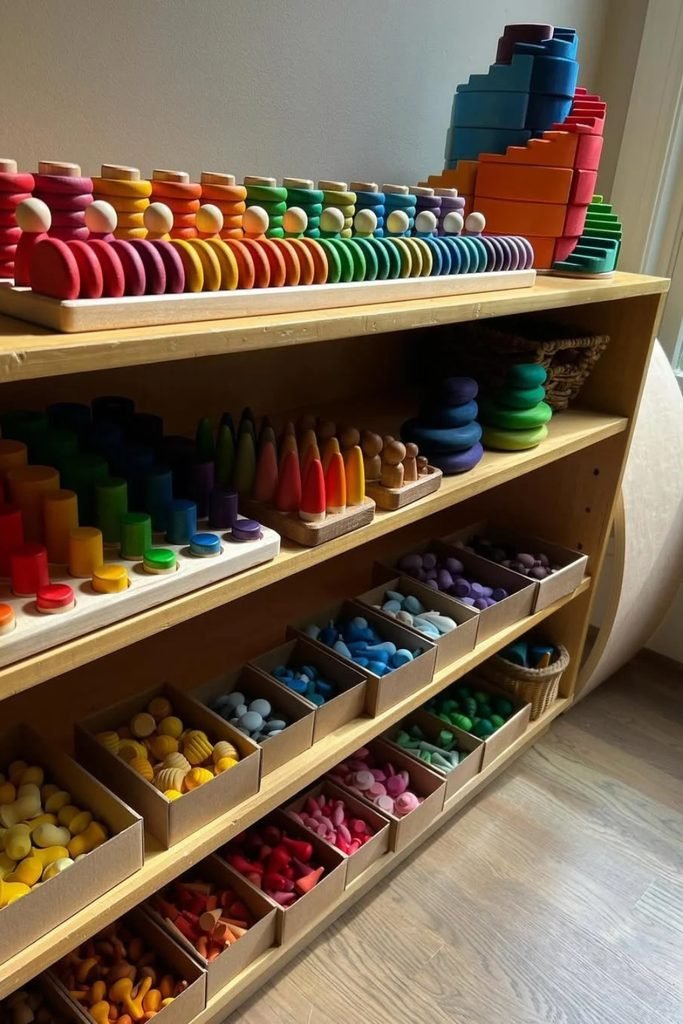
Instead of filling every shelf with toys, display a small selection that your kids enjoy playing with regularly.
Leaving some shelves empty gives children more room to explore their toys without getting distracted by too many choices.
Choose a mix of building toys, puzzles, and pretend play items so kids still have different activities to enjoy.
2. Store the Rest in a Toy Library Bin
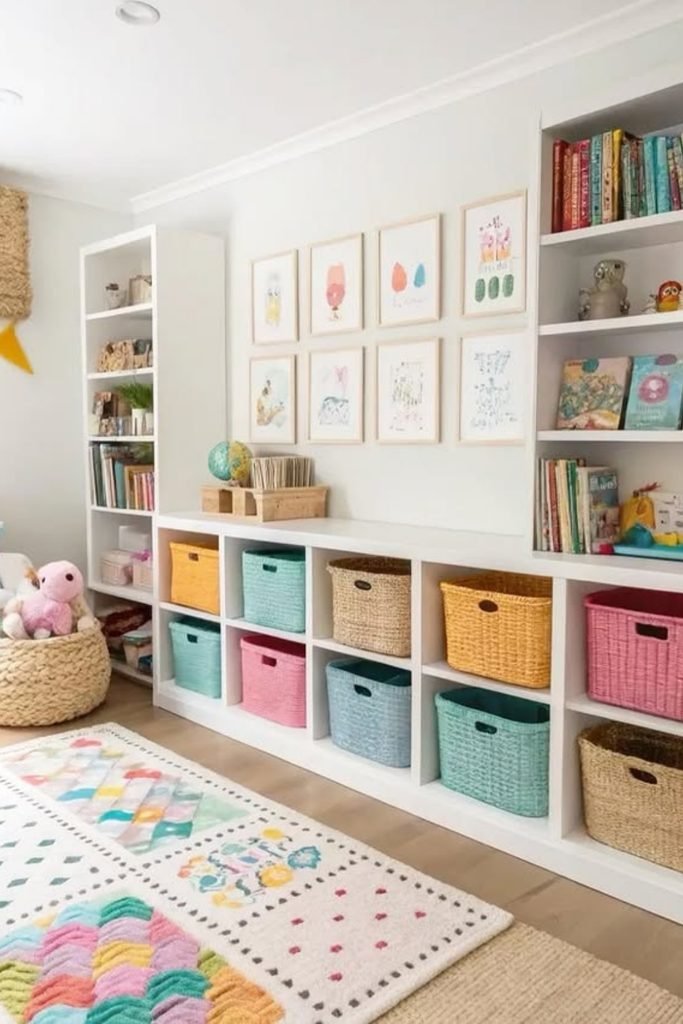
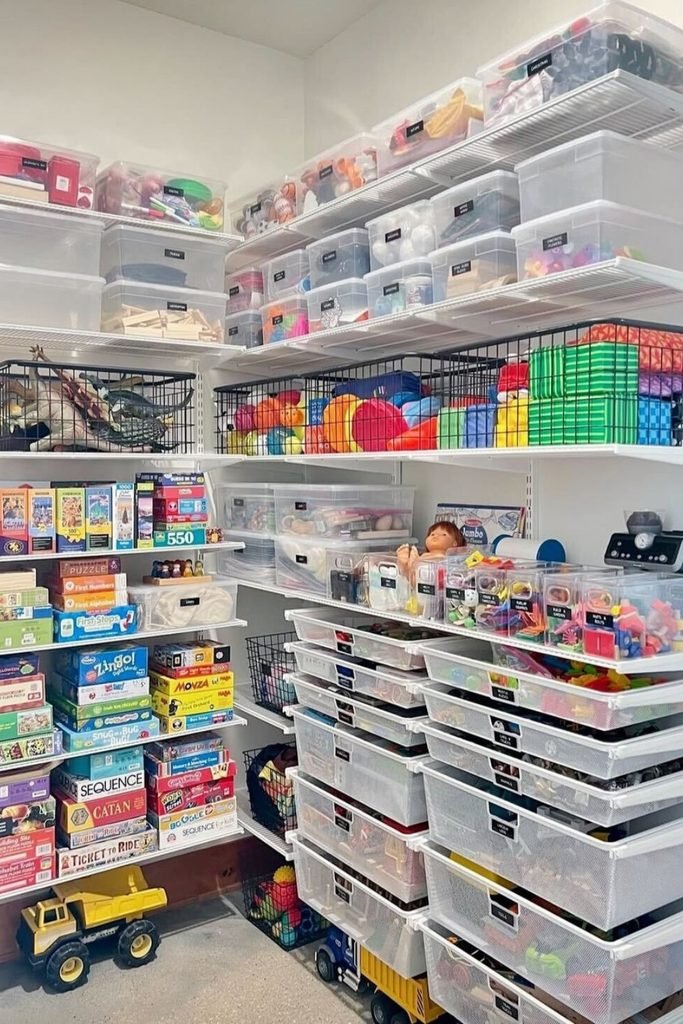
Place extra toys in labeled storage bins and keep them inside a closet or another space away from the playroom.
Group similar toys together and label each container so you can easily find specific items when it’s time to rotate them.
Use clear bins or picture labels to identify the contents without opening every container and making another mess.
3. Swap Every Few Weeks
Replace some of the displayed toys every two or three weeks to keep the playroom interesting without adding more clutter.
When familiar toys return after being stored away, children may become excited to play with them all over again.
Pay attention to which toys your kids enjoy most and adjust the rotation schedule based on their interests and play habits.
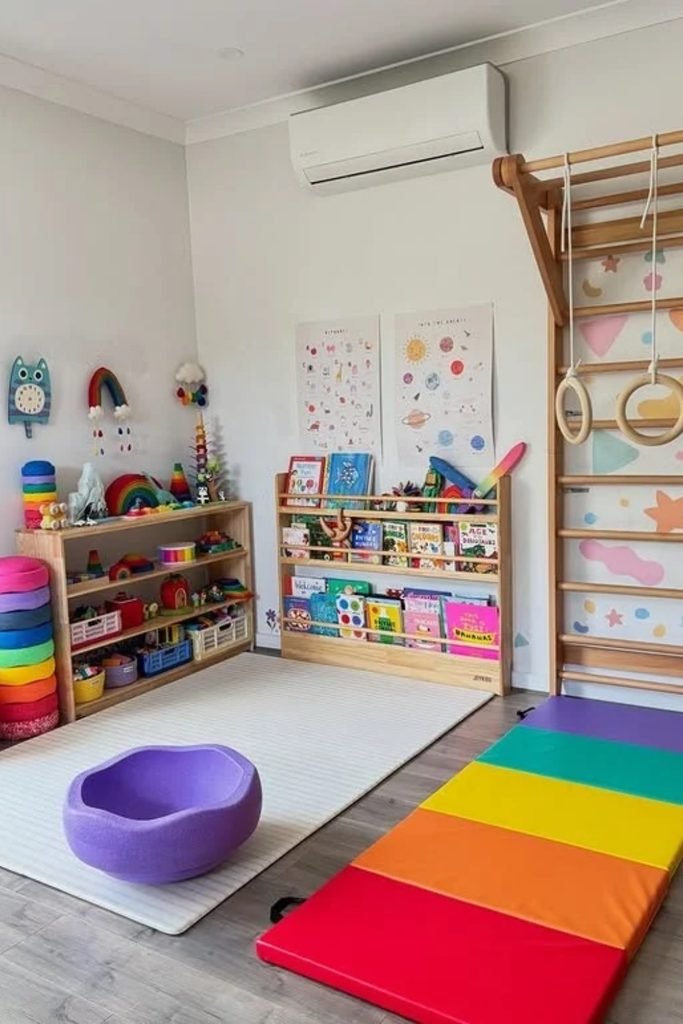
How Do You Set Up Storage?
A kid-friendly storage system should make it easy for children to take out their toys and put them back without help.
Simple changes like lower shelves, open bins, and clear labels can make daily cleanup easier for both kids and parents.
1. Everyday Toys at Kid Height
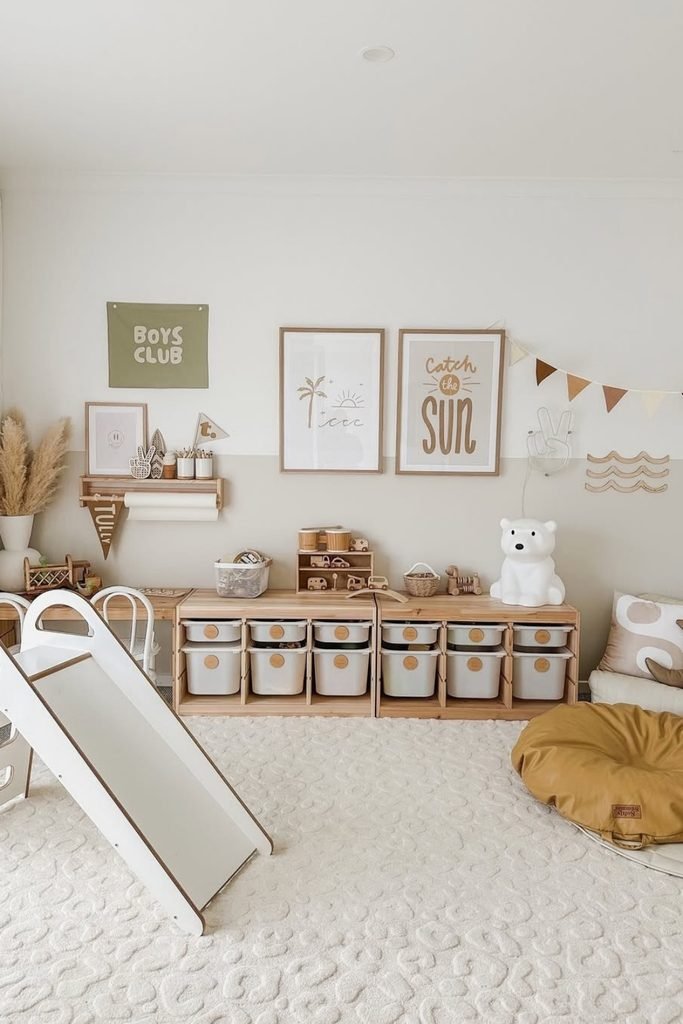
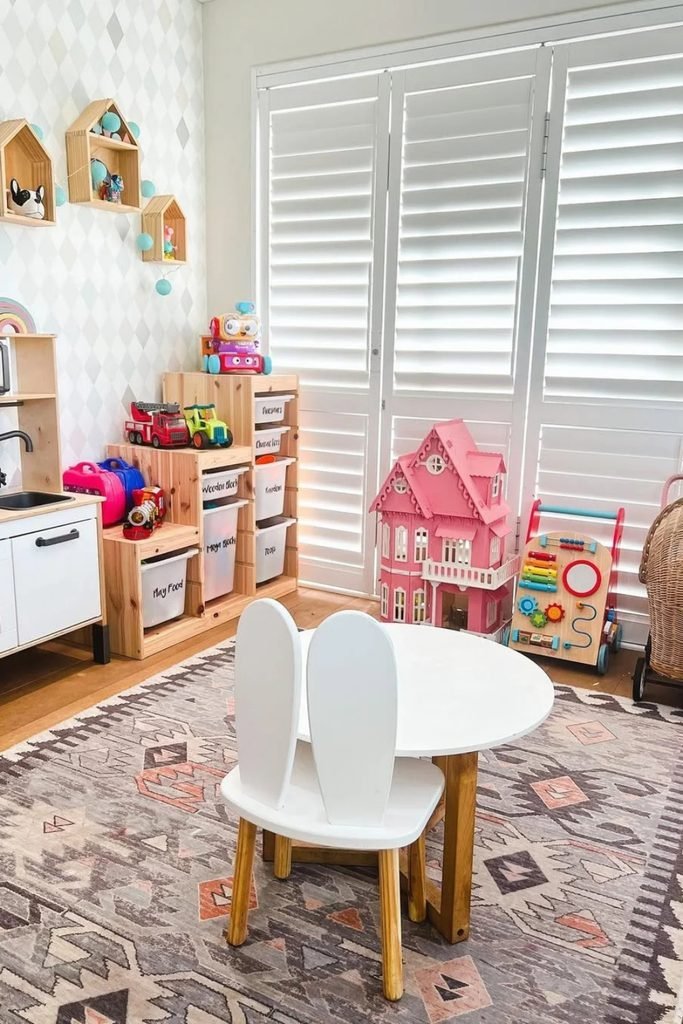
Place frequently used toys on low shelves where children can easily reach them without climbing or asking an adult for help.
Keep heavier toys on the bottom shelves and lighter items above so kids can safely take out what they need.
Make sure every toy has a fixed spot that children can recognize and use when putting things away after playtime.
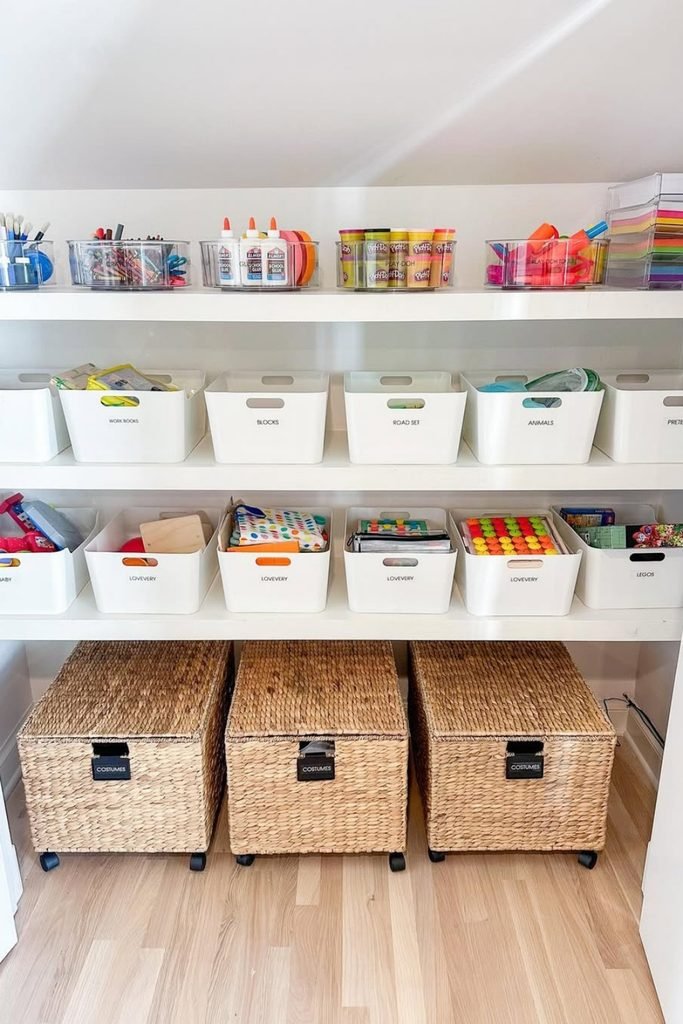
2. Open Bins Over Lids
Choose open storage bins instead of containers with lids so children can quickly grab their toys and return them after playing.
Removing lids takes away an extra step during cleanup, making it easier for younger kids to manage their belongings.
Use lightweight bins with wide openings so children can drop toys inside without struggling to open or close anything.
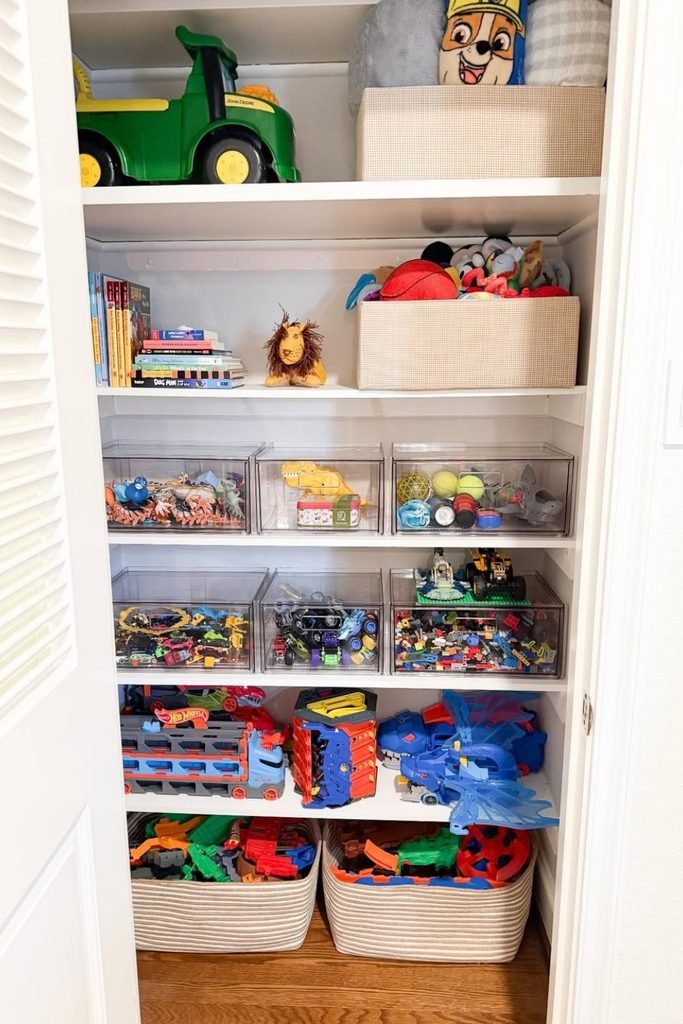
3. Picture Labels for Pre-Readers
Add picture labels to storage bins so younger children can identify where different toys belong without needing to read words.
Use simple photos or drawings of blocks, cars, dolls, and puzzles to show what should go inside each container.
Attach labels to the front of each bin at your child’s eye level so they can easily follow the system during cleanup.
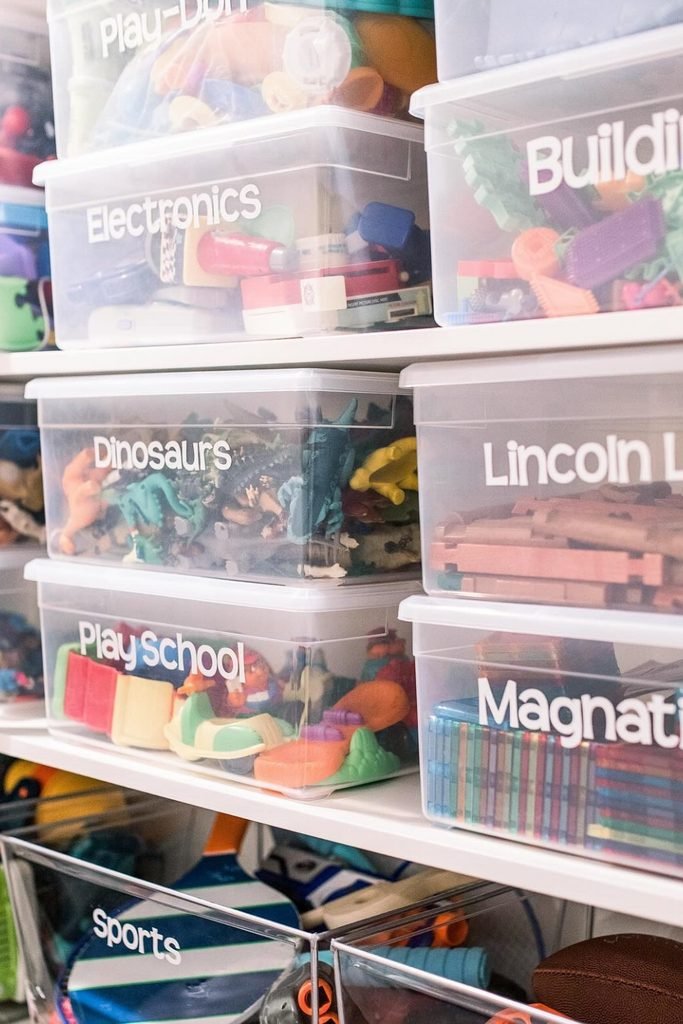
Which Storage Works Best for Each Type of Toy?
Different toys need different storage solutions because their sizes, shapes, and how often kids use them can vary.
Choosing the right storage keeps toys easy to find, prevents pieces from getting lost, and makes cleanup quicker for children.
| Toy Type | Best Storage | Why It Works |
|---|---|---|
| Stuffed Toys | Hanging Net | Keeps soft toys off the floor and saves space. |
| LEGO Pieces | Shallow Trays | Makes small pieces easy to find and sort. |
| Board Games | Vertical Shelf | Keeps game boxes organized and easy to grab. |
| Toy Cars | Divided Bins | Keeps cars separated and prevents clutter. |
| Dolls | Open Baskets | Makes dolls easy to grab and put away. |
| Art Supplies | Portable Caddy | Keeps drawing tools together and easy to carry. |
| Building Blocks | Large Open Bins | Makes storing and collecting blocks easier. |
| Books | Front-Facing Shelf | Helps kids see book covers and choose stories. |
| Dress-Up Clothes | Low Hooks | Keeps costumes visible and within easy reach. |
| Puzzles | Zipper Pouches | Keeps puzzle pieces together and prevents loss. |
How Do You Keep Tiny Pieces From Getting Lost?
Small toy pieces often disappear when they get mixed with larger toys or end up scattered across different storage bins.
Keeping small items in separate containers makes them easier to find and prevents incomplete puzzles, games, and building sets.
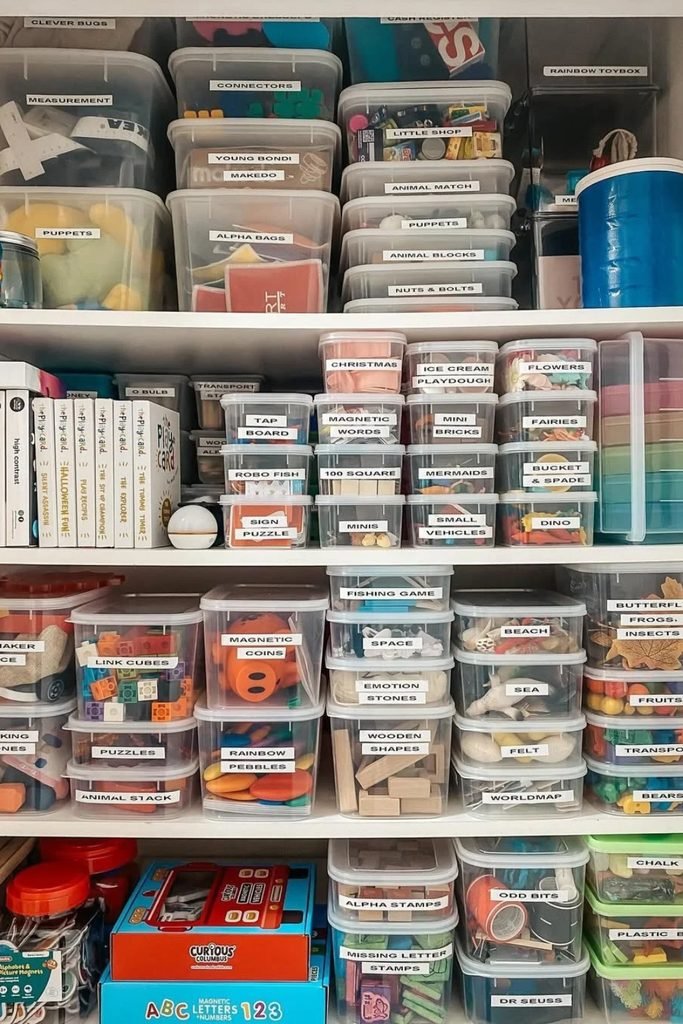
1. Separate Bin for Small Pieces
Keep small LEGO pieces, miniature figures, and game accessories in separate bins instead of mixing them with larger toys.
Use shallow containers with dividers to separate different pieces and make finding the right item easier during playtime.
Place these bins near the activity area so children can return small pieces immediately after finishing their games.
2. Work-in-Progress Tray
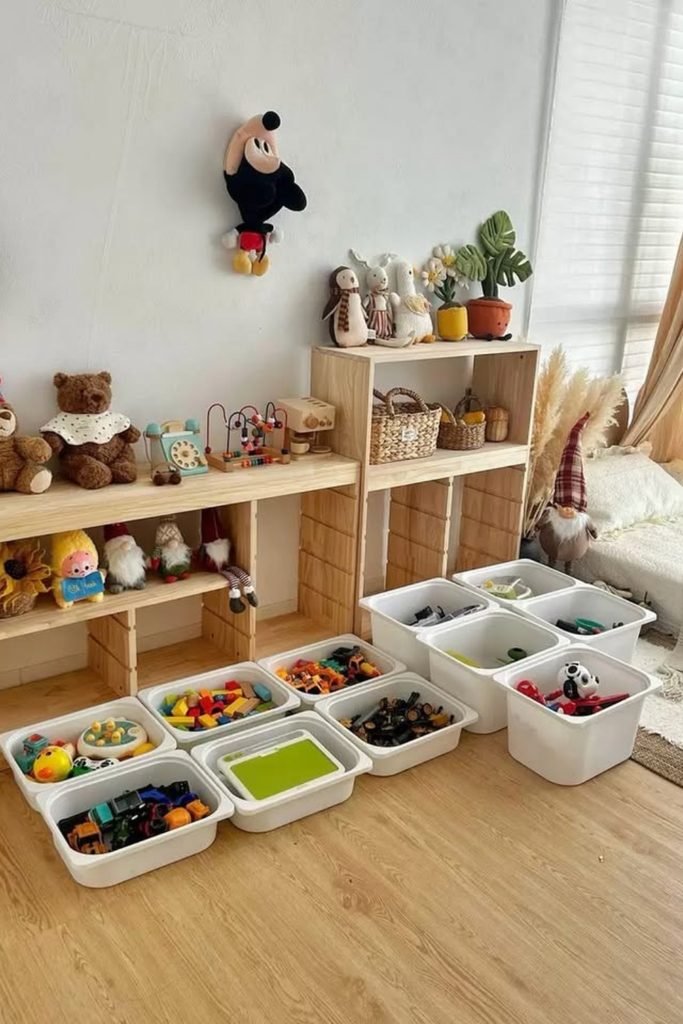
Give kids a dedicated tray where they can leave unfinished LEGO builds, puzzles, or other projects without taking everything apart.
Choose a tray with raised edges to prevent small pieces from falling off when moving it between different areas.
Store the tray on a low shelf so children can continue their unfinished projects without searching for missing pieces.
3. Labeled Bags for Puzzles and Cards
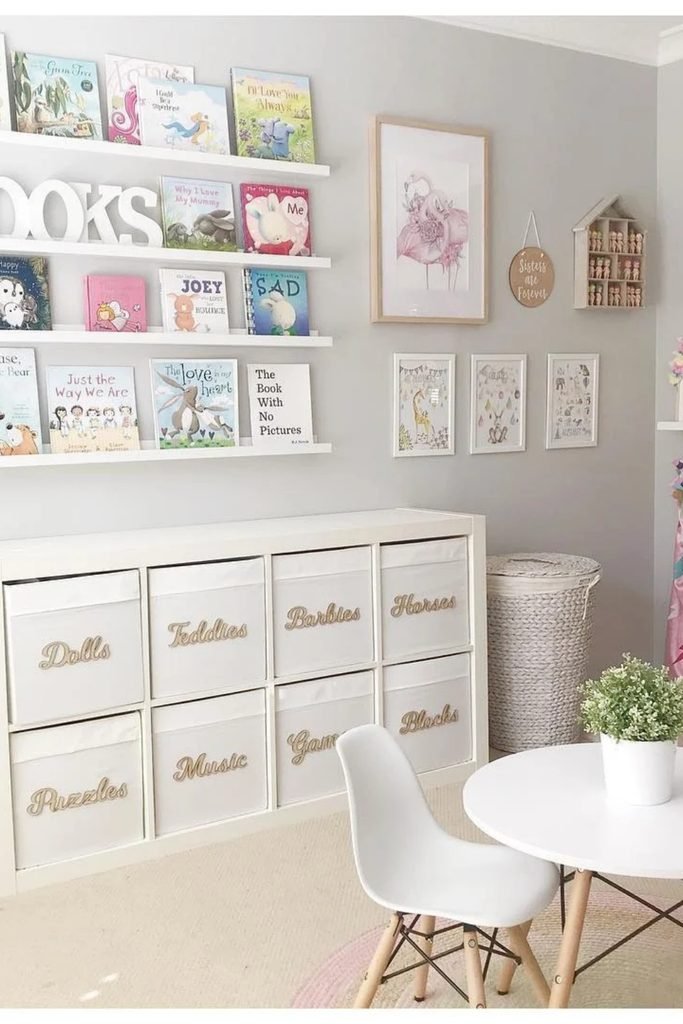
Store puzzle pieces, playing cards, and small game accessories in separate zipper bags to keep complete sets together.
Label each bag with the game name or a picture so kids can quickly identify its contents without opening everything.
Arrange these bags inside a basket or drawer to save shelf space and prevent pieces from getting mixed up.
How Do You Make a Playroom Safe for Different Ages?
A shared playroom needs extra safety measures because younger and older children often play with different types of toys.
Securing furniture and keeping small toy pieces out of reach can help prevent accidents while children enjoy their activities.
1. Anchor Tall Shelves
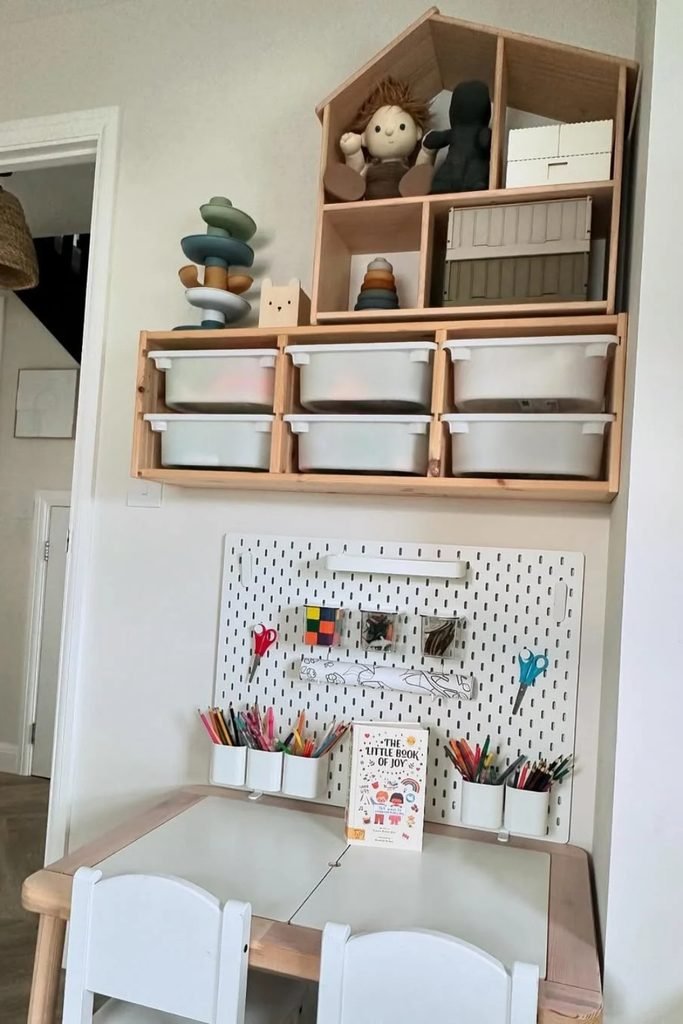
Secure tall bookshelves and storage units to the wall using proper furniture anchors to prevent them from tipping over.
Children may try climbing shelves to reach their favorite toys, which can cause unsecured furniture to fall forward.
Keep heavy items on lower shelves and avoid placing attractive toys high up where children might be tempted to climb.
2. Keep Small-Part Toys Away
Store LEGO pieces, marbles, and other small toys in separate containers that younger children cannot reach or open.
Small toy parts can become choking hazards for children under three, especially when older siblings leave them around the playroom.
Use secure storage for age-restricted toys and check the playroom floor regularly to remove any small pieces left behind.
How Can You Organize a Small Playroom?
- Under-Bed Drawers: Use rolling drawers to store extra toys, puzzles, and board games without taking up valuable floor space.
- Wall Shelves: Install sturdy wall shelves to organize books and lightweight toys while keeping the floor clear for playing.
- Storage Ottoman: Choose an ottoman with hidden storage for stuffed animals, blankets, and toys while providing extra seating.
- Over-Door Pockets: Hang a pocket organizer behind the door to keep crayons, small toys, and craft supplies neatly separated.
- Foldable Play Mat: Use a foldable mat to create a comfortable play area that can be stored away after playtime.
- Cube Storage with Seating: Use a sturdy, seating-rated cube unit to organize toy baskets and provide extra seating without wasting space.
How Do You Teach Kids to Clean Up on Their Own?
Teaching kids to clean up becomes easier when they follow a simple routine instead of waiting for reminders every day.
Start with small tasks and make cleanup part of their daily playtime so they gradually learn to manage their toys independently.
1. Fixed 5-Minute Routine
Set aside five minutes at the same time every day for kids to put their toys back in the right places.
Choose a regular time, such as before dinner or bedtime, so children know when they need to start cleaning up.
Begin by helping younger children sort their toys, then gradually let them handle the routine without your assistance.
2. Make It a Game
Turn cleanup into a fun activity by setting a timer and challenging kids to put away their toys before it rings.
Try a game called “Send Toys Home,” where children return each toy to its correct basket, shelf, or storage bin.
Give simple challenges, like collecting all the blocks first, to make cleaning feel less like a boring daily chore.
How Should You Update the Playroom as Your Child Grows?
As children grow, their interests change, and some toys no longer match their age, skills, or favorite activities.
Updating the playroom regularly helps you remove unused toys and make space for activities your child currently enjoys.
1. Declutter With Your Child
Involve your child in sorting toys instead of deciding what to keep or remove without asking for their opinion.
Let them choose which toys they still enjoy and which ones they no longer want to play with.
Use separate baskets for keeping, donating, and storing toys to make the process easier and teach children simple organizing habits.
2. Donate Outgrown Toys
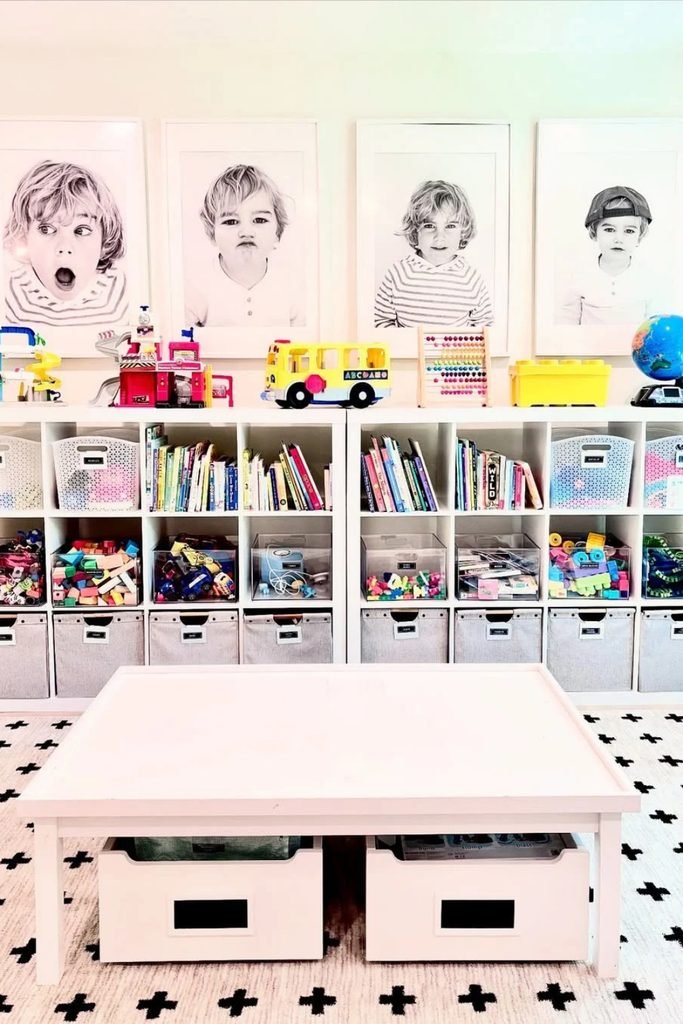
Collect toys your child has outgrown and donate those that are clean, complete, and still in good condition.
Ask your child to help choose items for donation so they understand how sharing can benefit other children.
Removing unused toys creates space for age-appropriate games, books, and activities without adding more storage furniture.
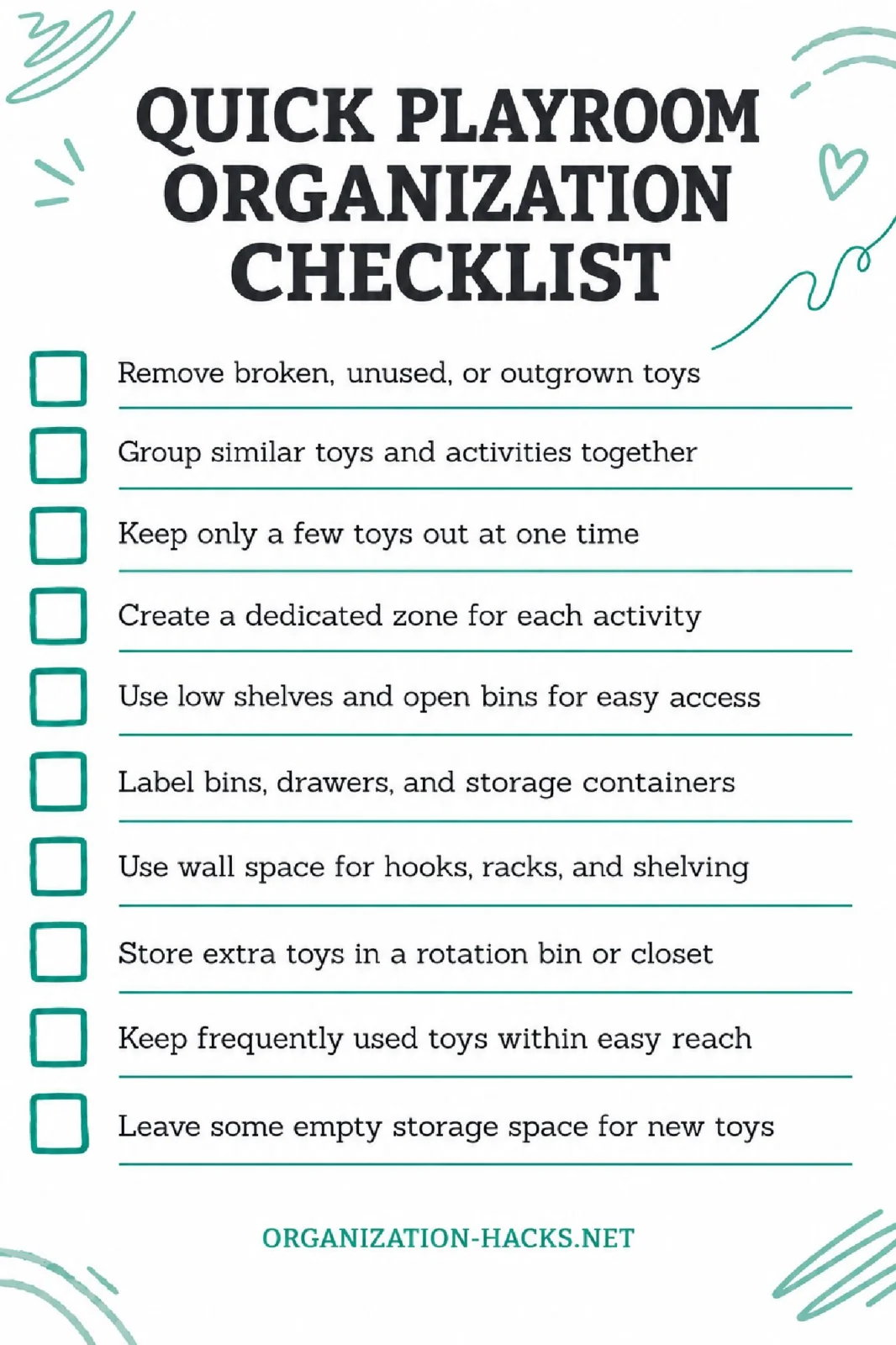
Quick DIY Playroom Organization Checklist
Conclusion
An organized playroom doesn’t need expensive storage furniture or a complicated system that takes too much time to maintain.
Focus on keeping toys within reach, giving everything a clear place, and making cleanup simple enough for kids to manage.
Rotate toys regularly and remove unused items to prevent clutter from building up as your child’s interests change.
With the right playroom organization ideas, you can create a space that stays functional, comfortable, and easier to maintain every day.
FAQs
How Do You Organize a Playroom With Too Many Toys?
Start by sorting toys into categories and removing broken, unused, or outgrown items to free up storage space.
Keep everyday toys in open bins and store extra items separately so children have fewer things to manage during cleanup.
How Many Toys Should Be Out at One Time?
There is no fixed number, but keeping a small selection of toys available can help reduce clutter and distractions.
Start with five to ten toy sets or activities, then adjust based on your child’s age, interests, and available space.