A messy backpack can turn the school mornings into a stressful rush.
Lost pencils, crumpled papers, heavy bags, and forgotten homework are the common problems kids deal with every day.
The answer is not adding more organizers but creating a simple system where everything has its own place.
In this article, you will learn how to organize a school backpack, which items kids actually need, and easy ways to arrange books.
Let’s jump in!
Start By Emptying and Sorting the Backpack
Before organizing anything, take everything out of the backpack.
Remove books, notebooks, papers, lunch boxes, stationery, and all those small items that are hiding in every pocket.
Sort everything into groups like school supplies, books, important papers, personal items, and things that do not belong.
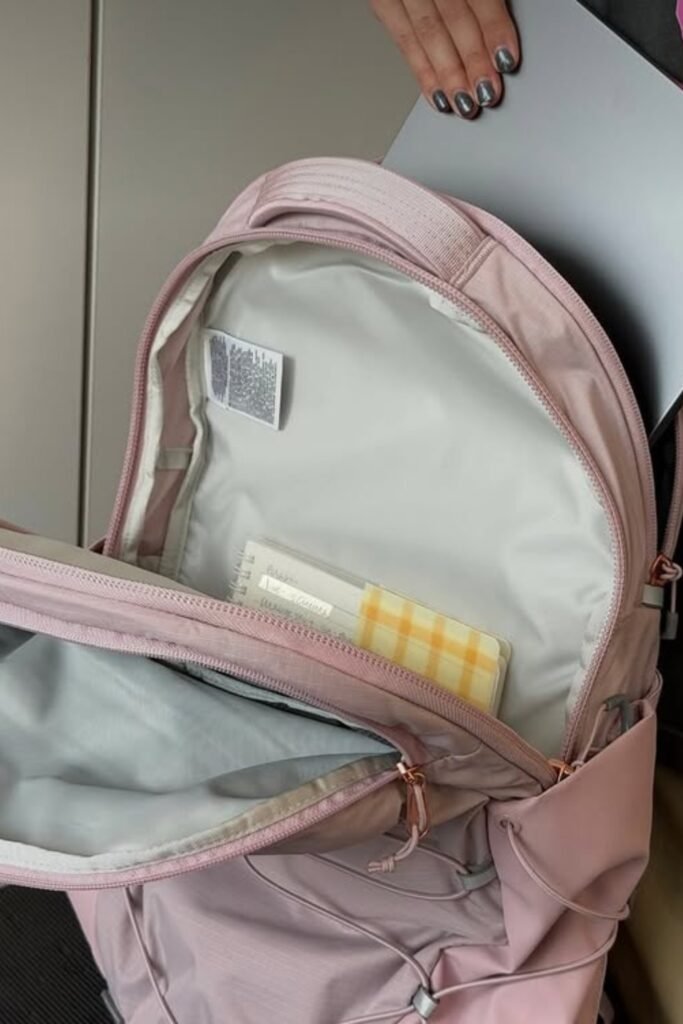
Throw away old wrappers, broken supplies, and unnecessary items that only add extra weight.
This step helps you see what your child actually uses every day and makes it easier to create a simple organization system.
When the backpack is clean, it becomes much easier to keep everything in its place instead of letting random items pile up.
What Should Kids Keep in Their Backpack Every Day?
A school backpack should only carry things kids actually need during the school day.
Packing too many unnecessary items can make the bag heavy and quickly turn it into a cluttered mess.
The main categories worth keeping include:
- Books and notebooks for daily classes
- Stationery supplies like pencils, pens, erasers, & rulers
- Homework materials such as folders & worksheets
- Lunch and water bottle for breaks
- Personal items like tissues or hand sanitizer
- Technology items if required by school
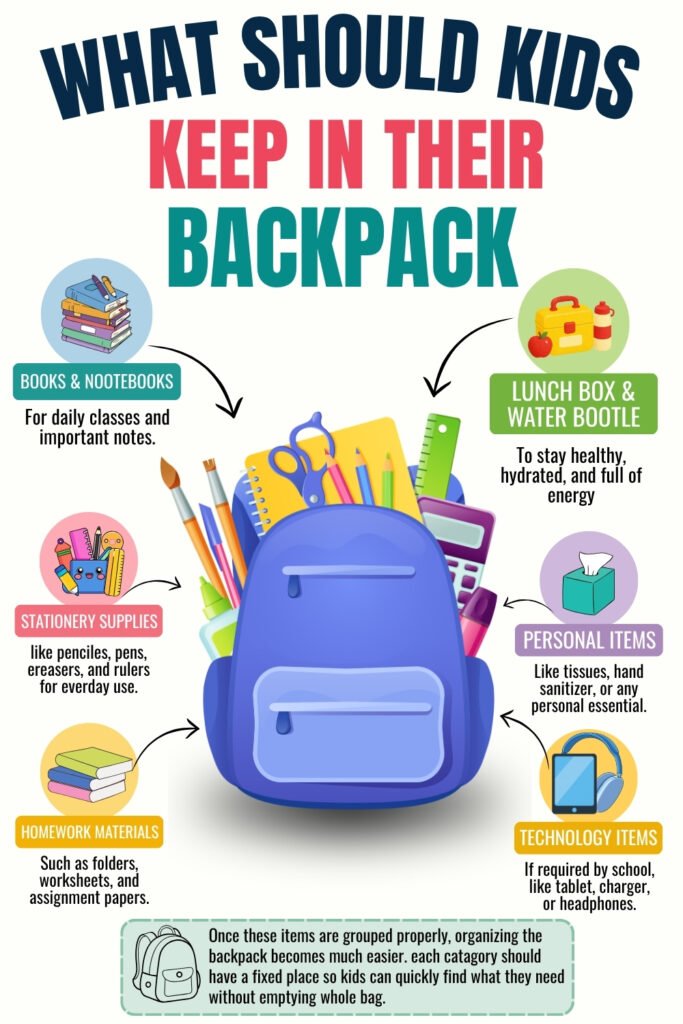
Once these items are grouped properly, organizing the backpack becomes much easier.
Each category should have a fixed place, so kids can quickly find what they need without digging through the whole bag.
How to Organize School Supplies?
Small school supplies like pencils, pens, erasers, sharpeners, rulers, markers, crayons, scissors, and glue sticks can quickly make a backpack messy if they are not stored properly.
Instead of leaving everything loose, you can create a simple system where each item has a fixed place.
This helps kids find supplies faster and keep the backpack neat. Here’s how you can do that:
1. Use Pencil Pouches
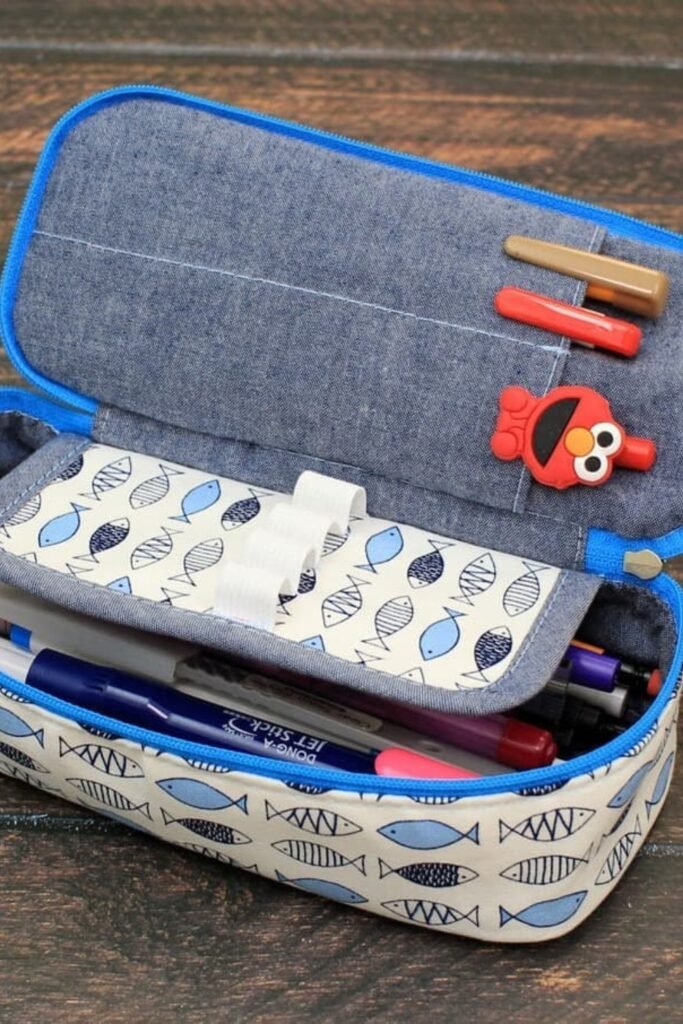
A pencil pouch is one of the easiest ways to keep everyday school supplies organized.
Keep pencils, pens, erasers, and sharpeners together in one place instead of letting them move around different compartments.
Make sure you choose a pouch that has separate sections and a clear design, so your kids can find what they need quickly without creating unnecessary clutter.
2. Create Separate Supply Categories
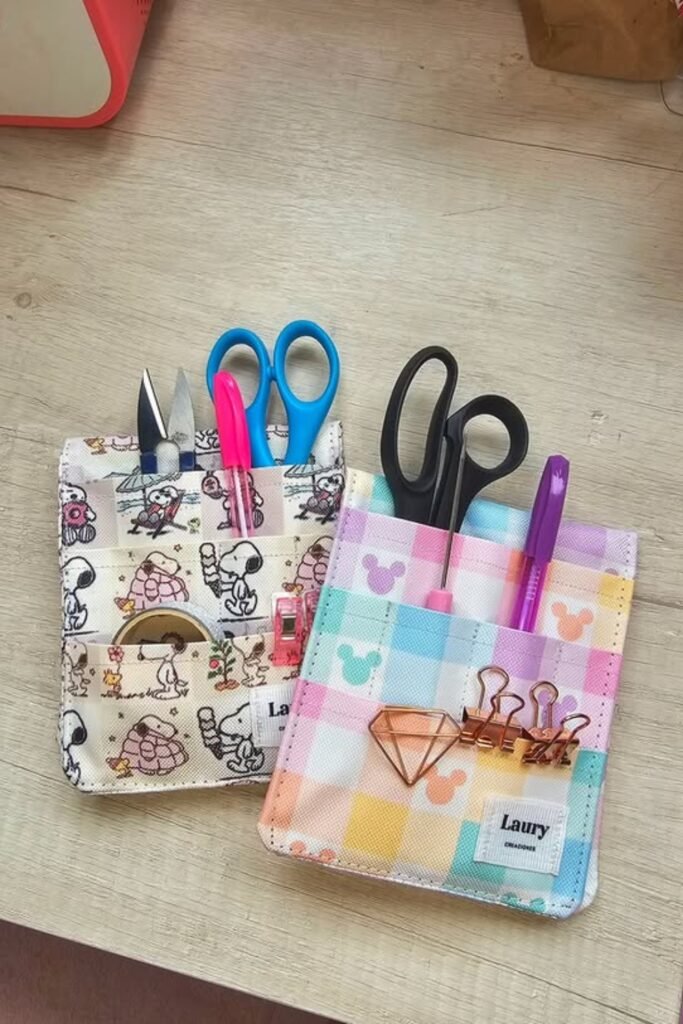
Mixing all school supplies together can quickly turn a backpack into a mess.
Keep writing tools, art supplies, and larger items like rulers or scissors in separate sections based on how often they are used.
This simple setup will let your kids grab the right item during class without searching through the entire bag.
3. Use Color Coding for Better Organization
Color coding can make backpack organization easier, especially for younger kids.
You can assign different colors to subjects or categories and match notebooks, folders, labels with those colors.
This creates a visual system that helps children recognize their items quickly and reduces the chances of bringing the wrong materials.
4. Keep Backup Supplies Organized
Extra supplies should have their own place instead of mixing with daily-use items.
For example you should keep additional pencils, glue sticks, and other replacements in a separate small pouch.
This keeps the main supply area less crowded and lets kids refill what they need without carrying too many unnecessary items every day.
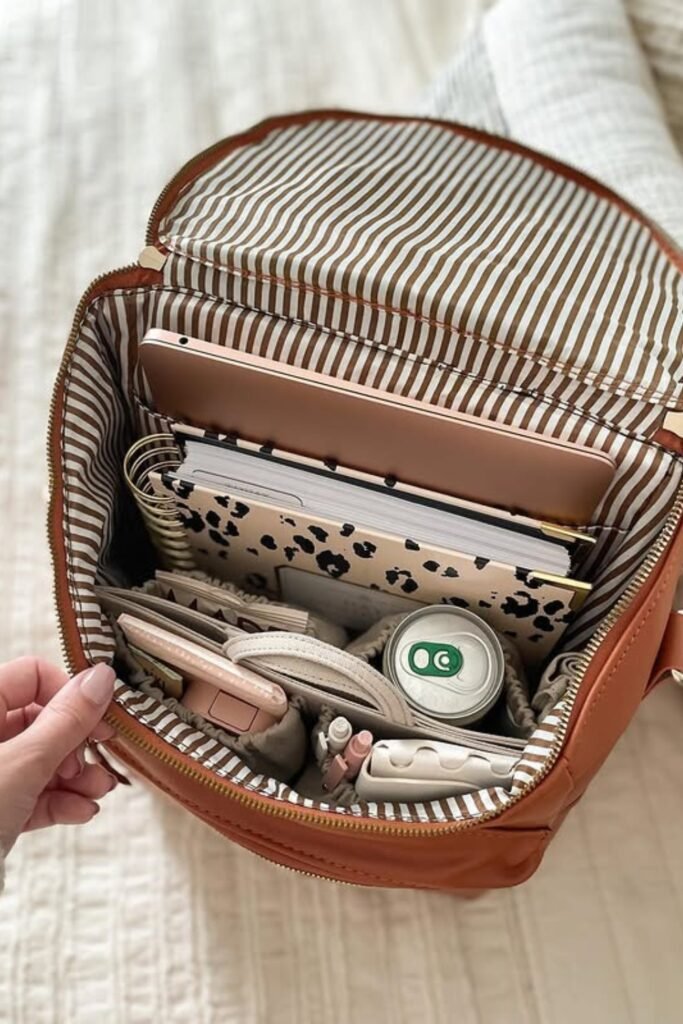
How to Organize Books and Notebooks?
Books, notebooks, workbooks, and folders usually take up most of the space inside a school backpack.
If they are not arranged properly, the bag can become heavy, messy, and uncomfortable to carry.
A simple book system will help kids find the right materials quickly while keeping the backpack balanced throughout the day.
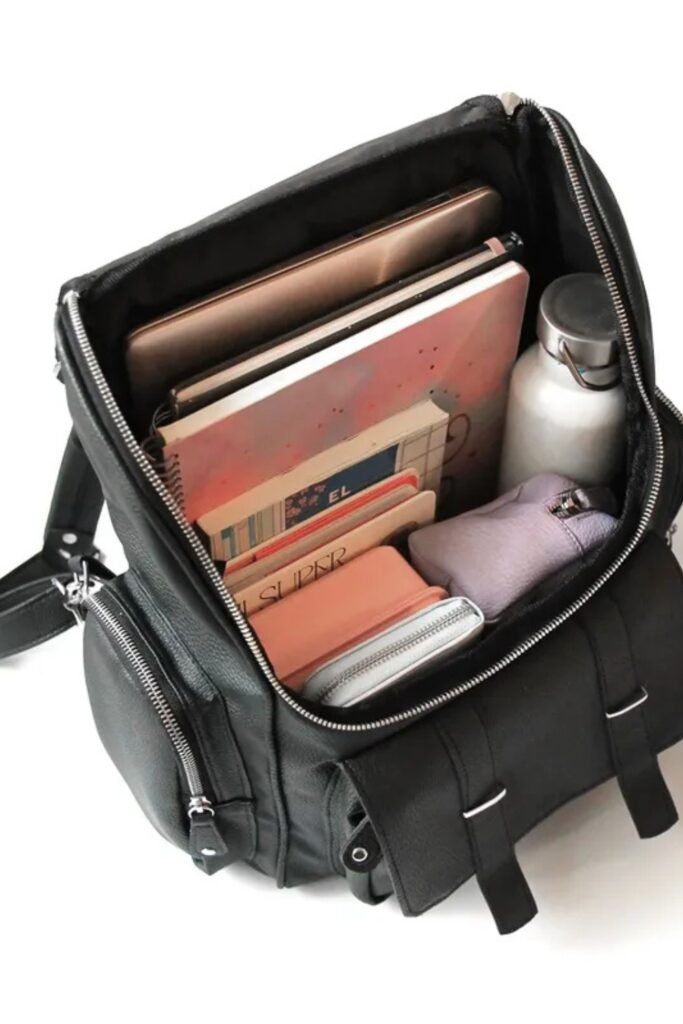
1. Place Heavy Books
Heavy textbooks and larger notebooks should always go in the compartment closest to the child’s back.
This keeps the weight balanced and reduces pressure on the shoulders while carrying the backpack.
When heavy items stay in the right place, the bag will feel light and more comfortable during long school days.
2. Use Subject-Based Folders
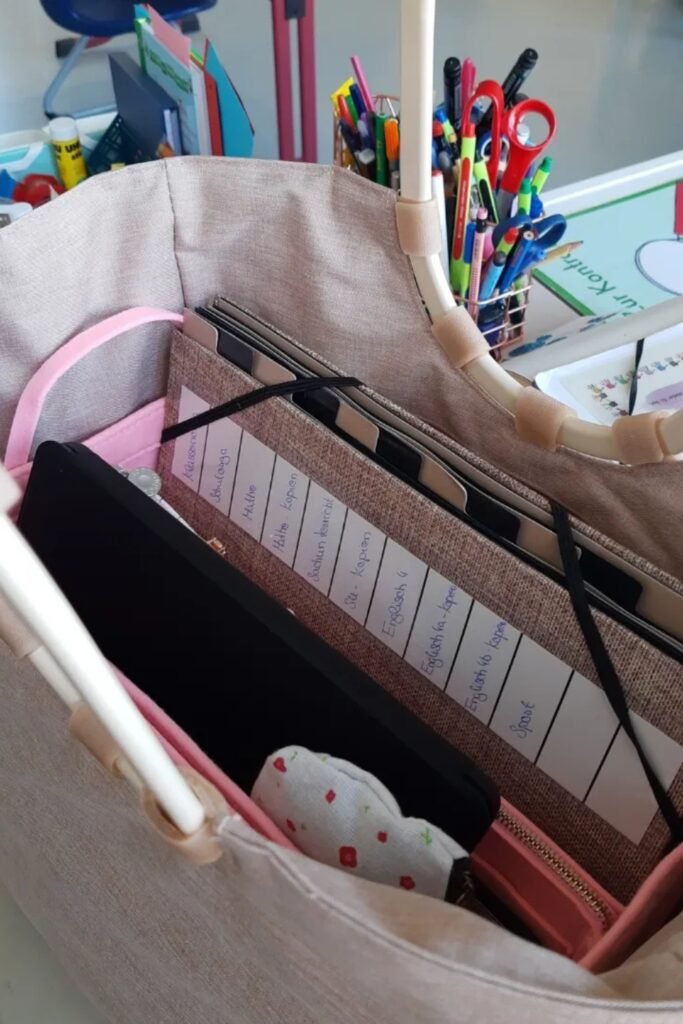
Separate folders for different subjects can keep loose papers, worksheets, and assignments from getting mixed together.
Give each subject its own folder so kids can quickly find notes or homework when needed.
This simple habit keeps important papers protected and makes assignments much easier to manage.
3. Arrange Books for Schedule
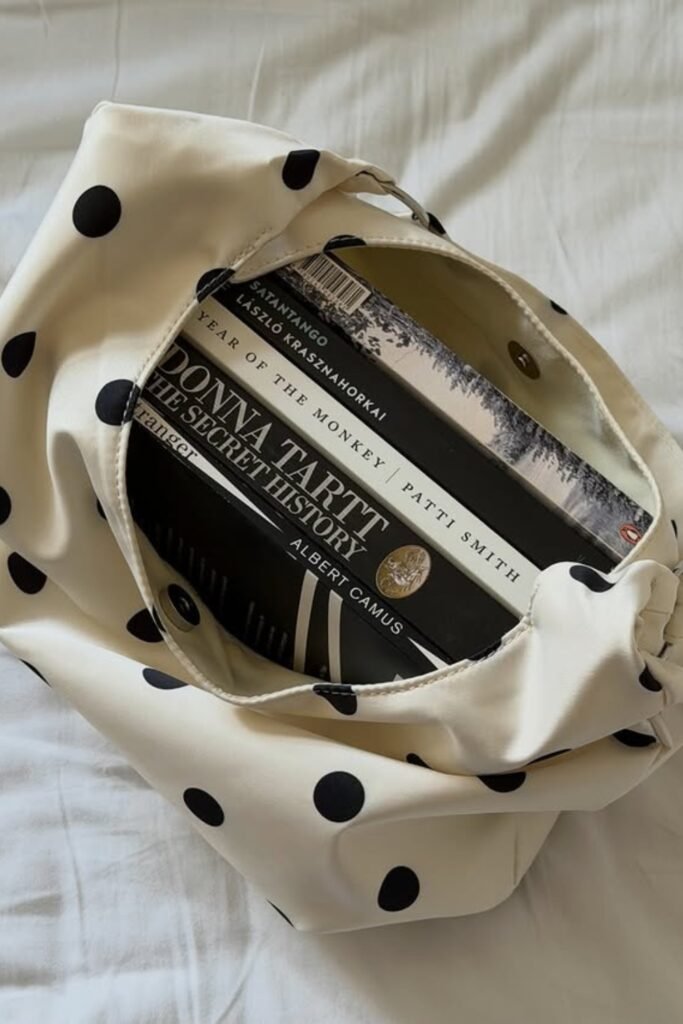
Kids do not need to carry every book every day.
You can encourage them to check their class schedule and pack only the books/ notebooks needed for the next day.
A simple night time packing routine can help avoid extra weight and keep the backpack organized before school starts.
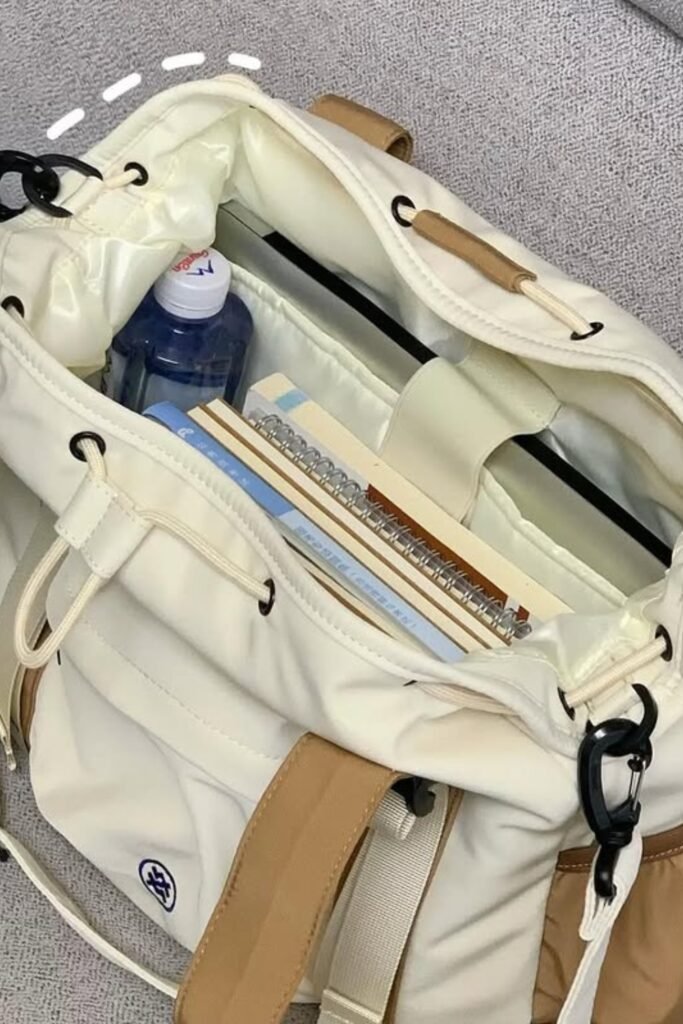
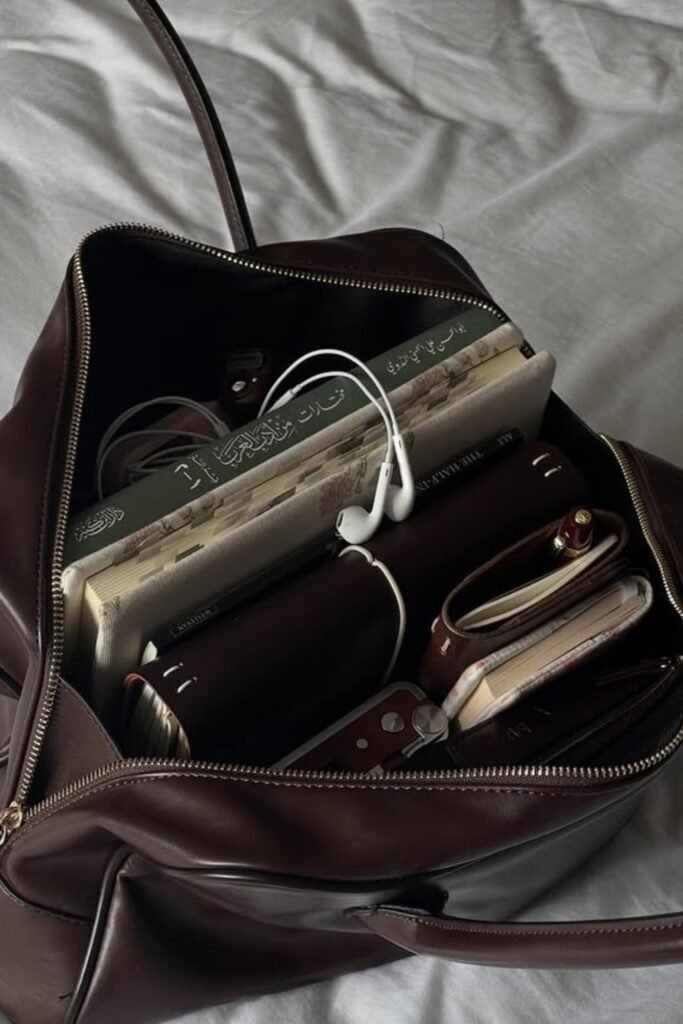
4. Use Book Covers or Sleeves
Book covers and protective sleeves can help keep textbooks/ notebooks clean throughout the school year.
They protect pages from bending, stains, and everyday damage while making books easier to identify.
Kids can also use different designs or labels to recognize their books quickly without searching through the entire backpack.
How to Organize Homework and Important Papers?
Loose papers are one of the biggest reasons school backpacks become messy.
Homework sheets, permission slips, test papers, and school notices can easily get folded, damaged, or lost when mixed with books & supplies.
A separate system for important papers helps kids keep track of assignments and bring the right documents back to school on time.
1. Add a Dedicated Homework Folder
A homework folder gives unfinished assignments and important worksheets their own place inside the backpack.
Keep papers that need to be completed or submitted in this folder instead of placing them randomly between books.
Separating pending work from completed assignments helps kids know what needs attention and keeps important homework from being forgotten.
2. Use Separate Compartments
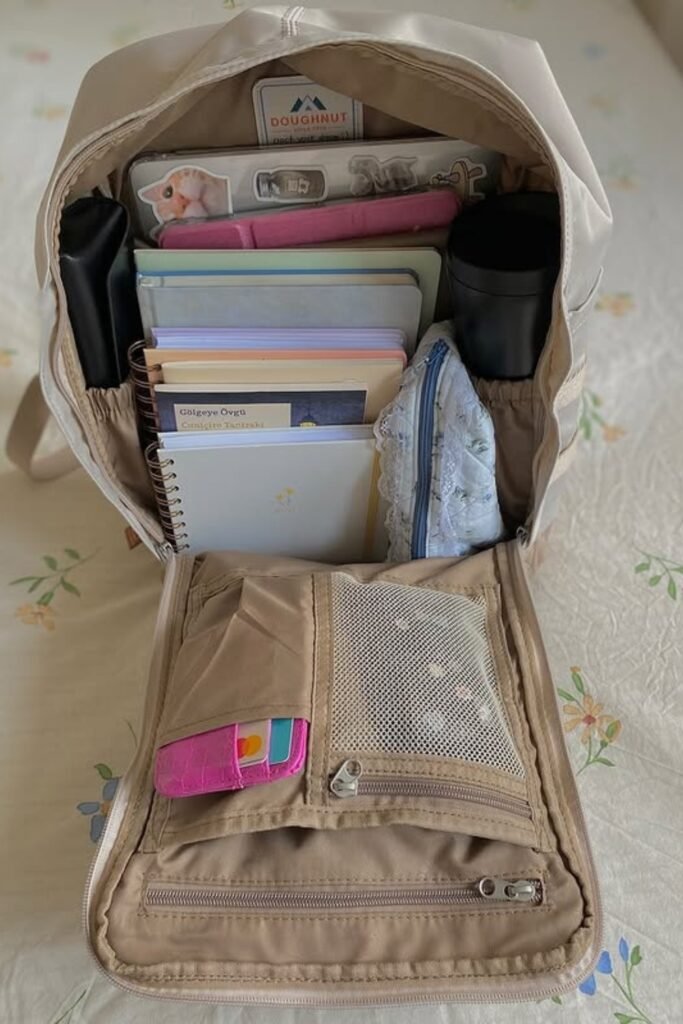
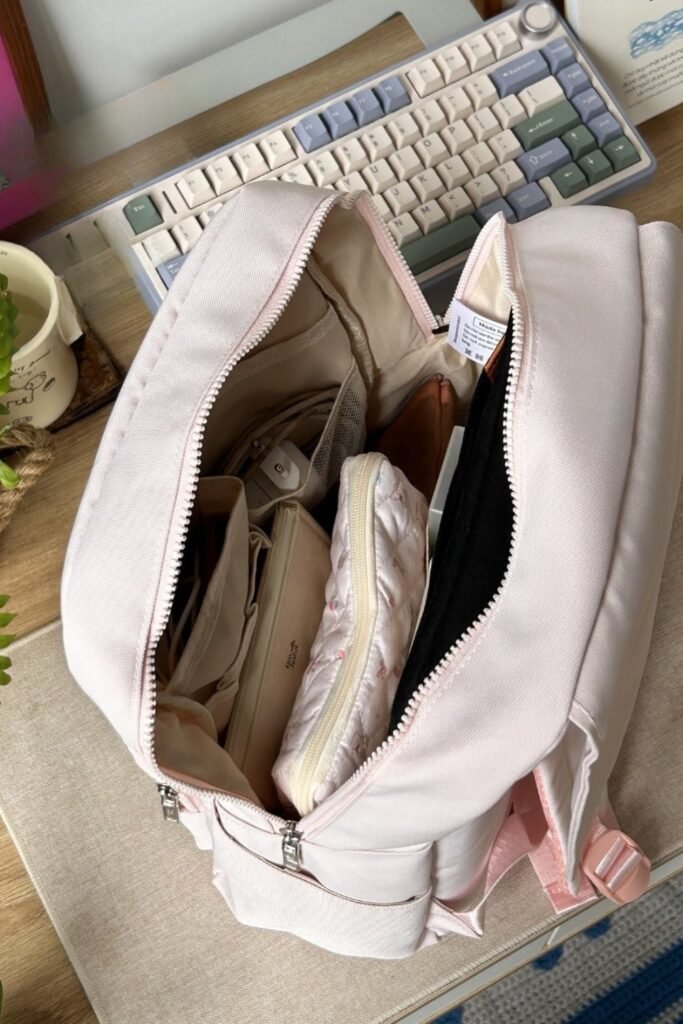
Keeping different items in separate backpack sections makes daily organization much easier for kids.
Use smaller pockets or pouches for personal items, stationery, and accessories while keeping larger compartments for books and notebooks.
This simple setup stops everything from getting mixed together & helps kids quickly find what they need during school.
3. Create a “Return to School” Section
Many kids forget papers that need a parent’s signature or documents that must be returned to their teacher.
Create a specific pocket or folder section for these items so they stay separate from regular papers.
Checking this section every evening helps kids remember important forms, avoid missed deadlines, and stay prepared for the next school day.
How to Organize Lunch and Snack Items?
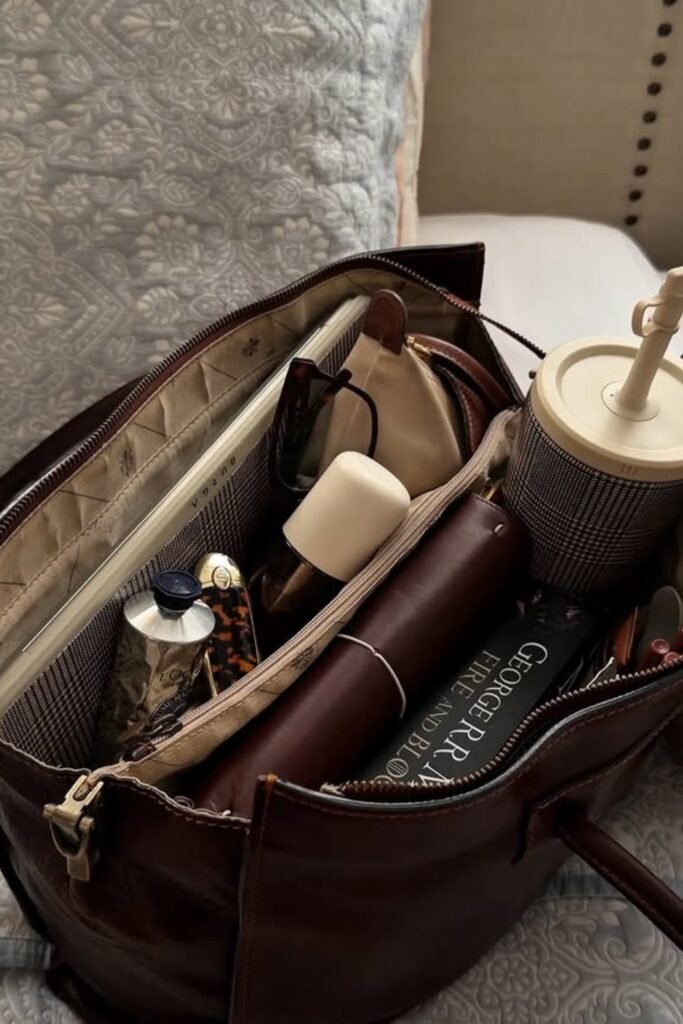
Lunch boxes, water bottles, and snacks are important parts of a school backpack, but they can also create a mess if they are not stored properly.
Food containers can leak, create smells, or damage books and papers when placed randomly.
Keeping lunch items organized helps protect school supplies and makes it easier for kids to access their food during breaks.
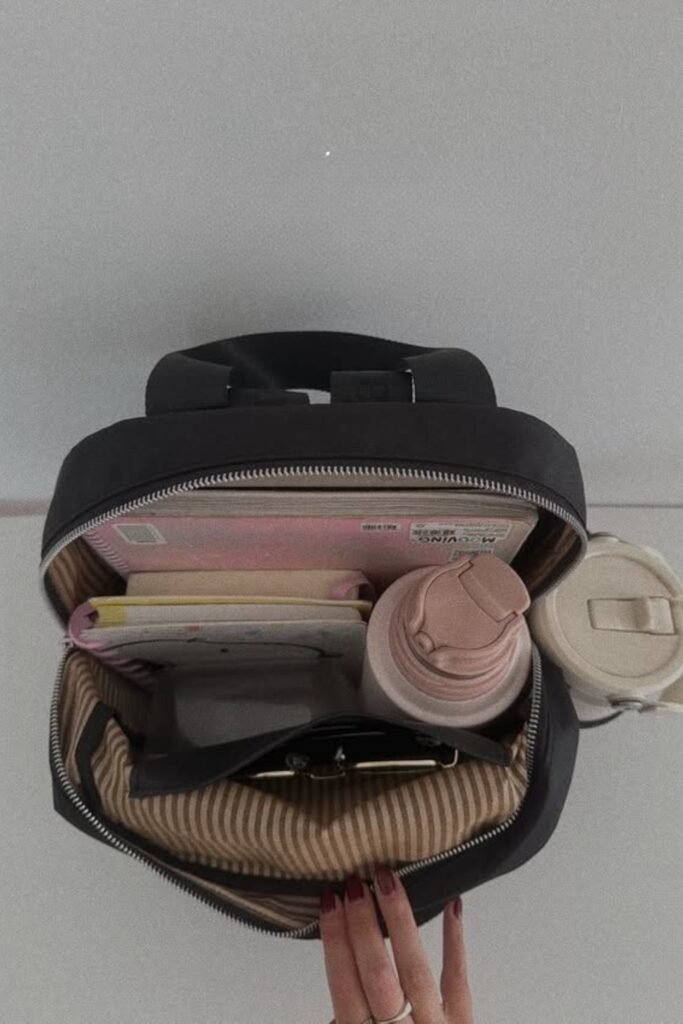
1. Use the Side Pockets for Water Bottles
Side pockets are the best place for water bottles because they keep liquids away from books and notebooks.
Storing the bottle separately reduces the risk of spills damaging important school materials.
It also makes it easier for kids to grab their water quickly without opening the entire backpack.
Keeping the bottle on the side can also help distribute the backpack’s weight more evenly.
2. Use a Separate Lunch Compartment
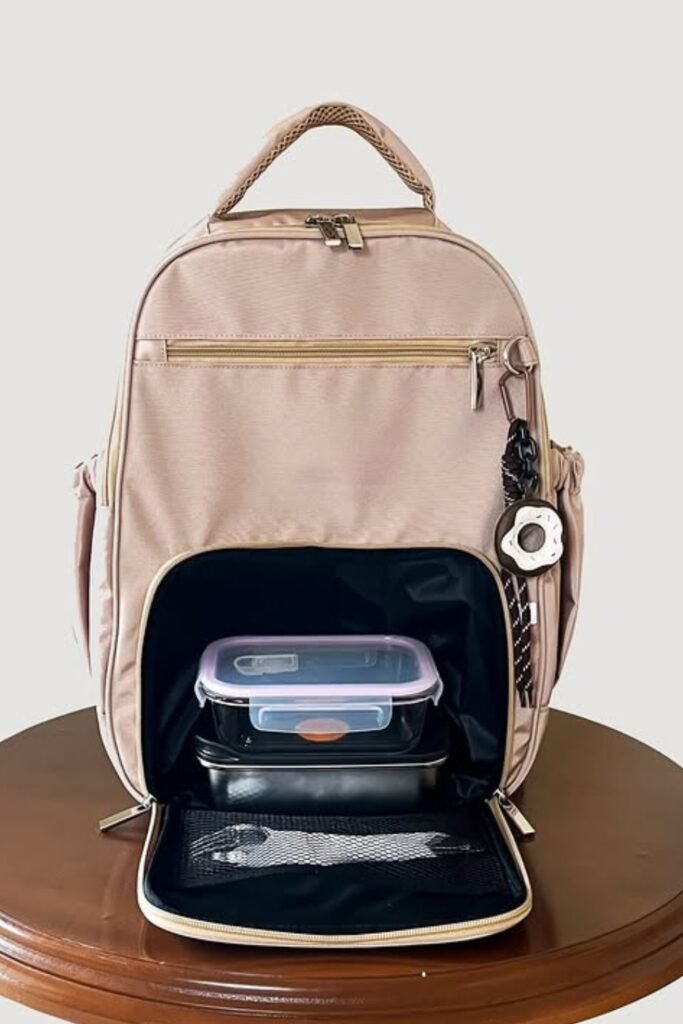
A separate lunch compartment keeps food items away from school supplies and helps maintain a cleaner backpack.
Store lunch boxes and snacks in their own section whenever possible to prevent crumbs, smells, or accidental leaks from reaching books & notebooks.
This also makes cleaning the backpack easier because food-related mess stays in one place.
3. Pack Only Necessary Food Items
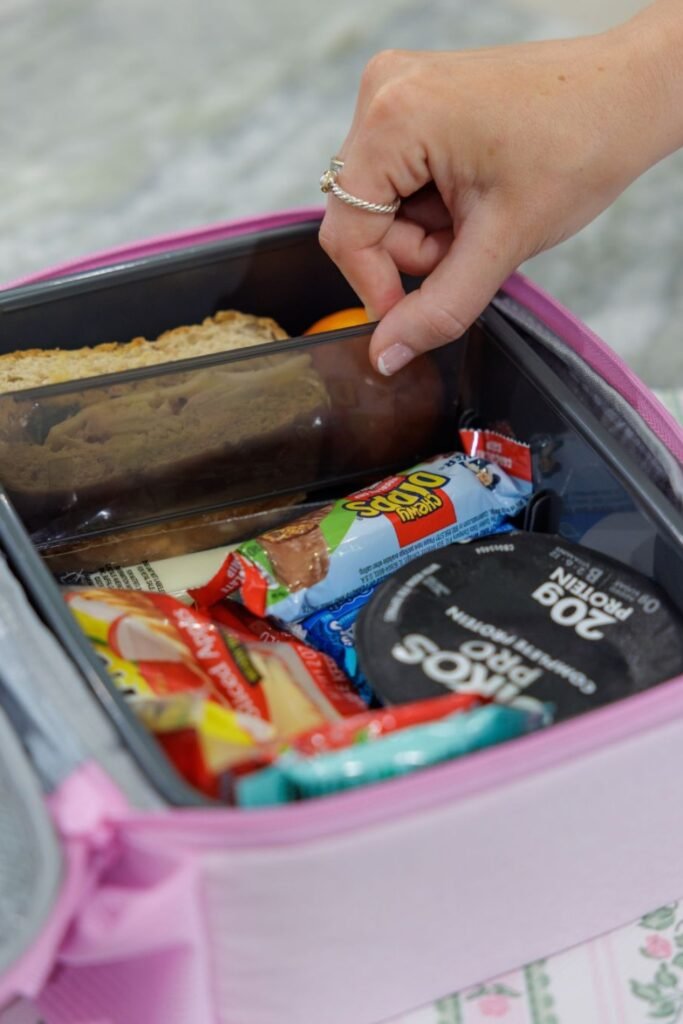
Carrying too many food containers can make a backpack unnecessarily heavy and crowded.
Pack only the amount of food your child needs for the school day & avoid adding extra items that may not be used.
A simple lunch setup keeps the bag lighter, creates more space, and makes lunchtime easier for kids to manage.
How to Organize Personal Items Kids Need at School?
Small personal items like tissues, hand sanitizer, hair accessories, a small wallet, and emergency supplies are easy to lose when kept loose inside a backpack.
These things may seem small, but without proper organization, they can quickly create clutter and become difficult for kids to find when needed.
Keeping them together in a dedicated space helps children manage their belongings better.
1. Create a Small Personal Care Pouch
A small personal care pouch is an easy way to keep everyday items organized in one place.
Store tissues, hand sanitizer, hair accessories, and other personal essentials inside this pouch instead of placing them randomly in different pockets.
This keeps small items from disappearing and lets kids quickly find what they need during school hours.
2. Use Small Zip Bags
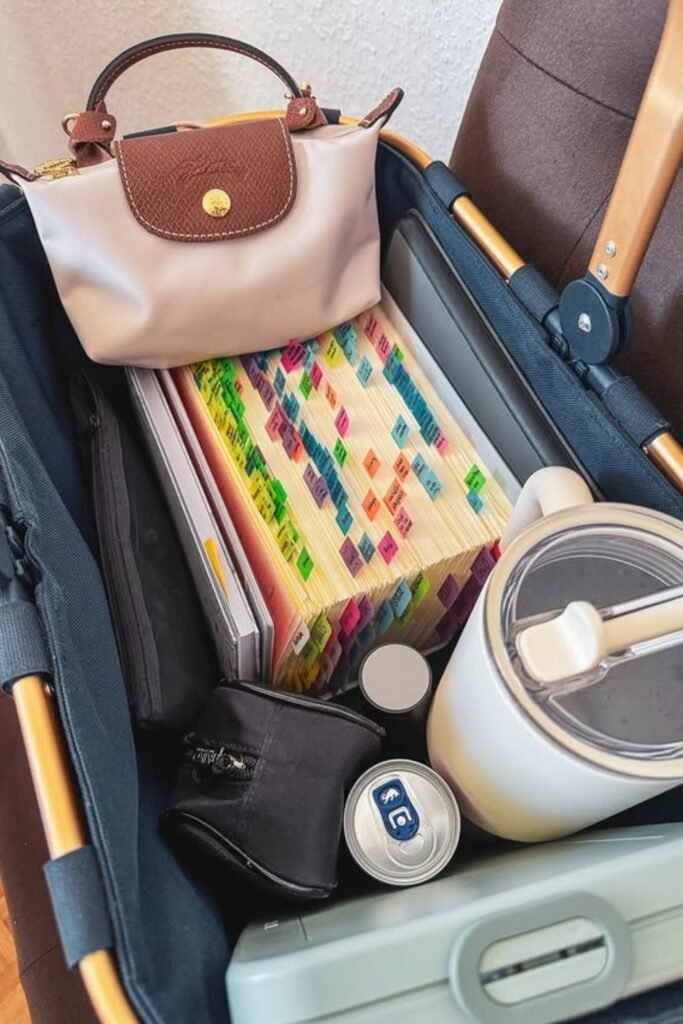
Small zip bags work well for organizing tiny items that can easily get lost inside a backpack.
Kids can use separate bags for emergency supplies, personal accessories, or small belongings like coins and cards.
These bags prevent clutter, keep items protected, and make it easier for children to maintain an organized backpack.
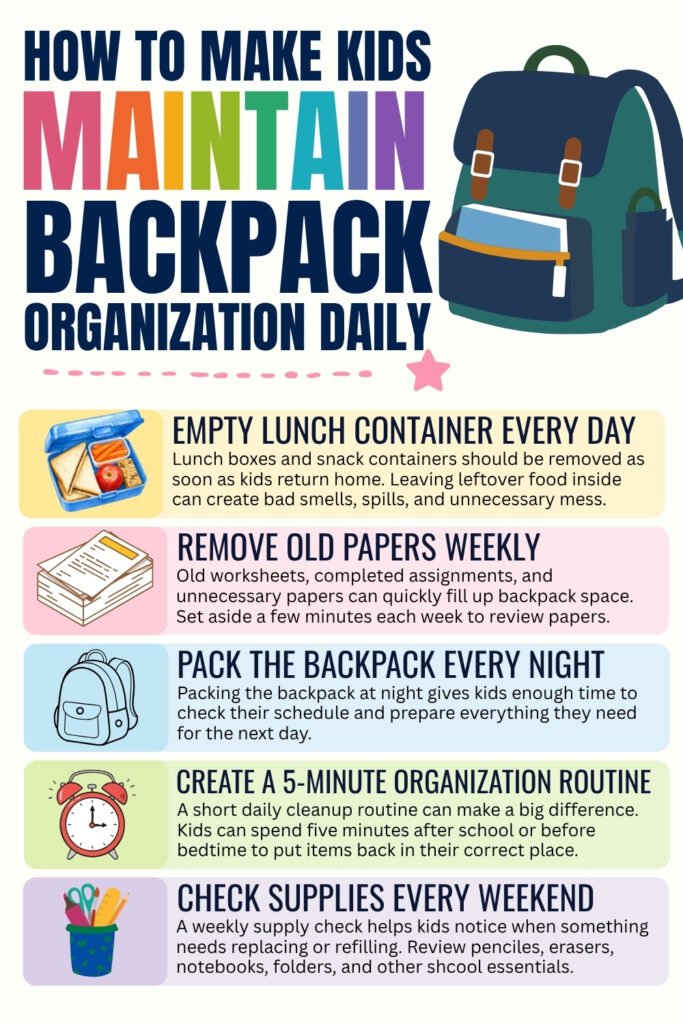
How to Make Kids Maintain Backpack Organization Daily
Organizing a backpack once is easy, but keeping it organized every day takes simple habits.
Without a regular routine, even the cleanest backpack can become messy within a few days.
Small daily habits can help kids keep their school bags clean, lighter, & ready for the next school day.
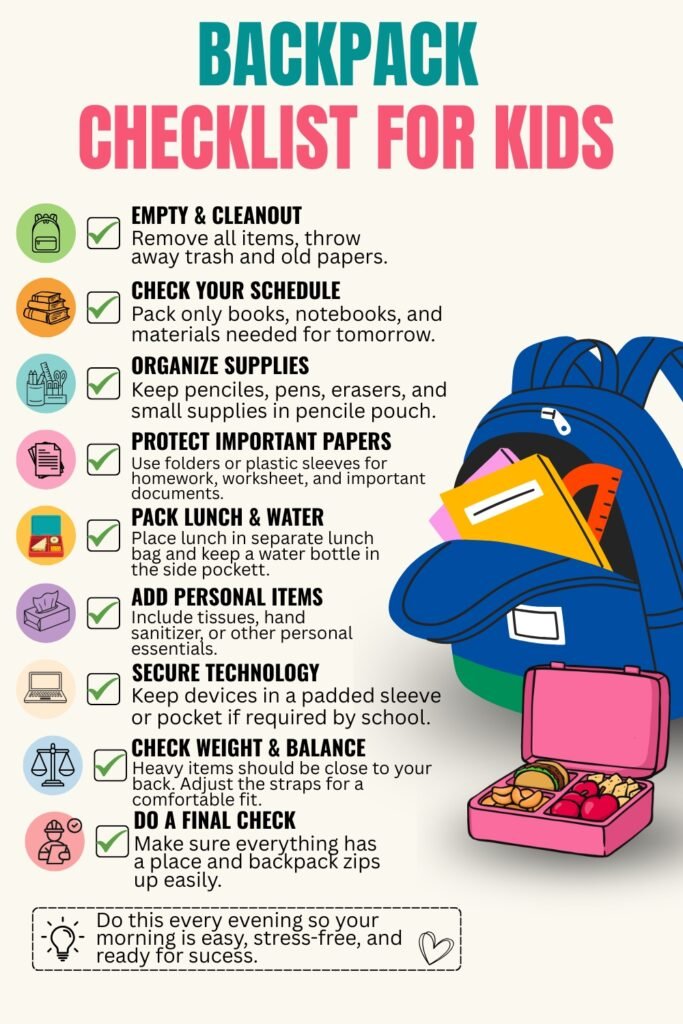
Final Backpack Organization Checklist for Kids
Following are the few final backpack organization checklist for kids.
Backpack Organization Mistakes Kids Should Avoid
A messy backpack often comes from small habits that are easy to ignore.
Carrying unnecessary items, mixing homework papers with old worksheets, leaving food wrappers inside, or packing too many supplies can quickly create clutter.
Kids should also avoid placing heavy books in the wrong compartments because this can make the bag uncomfortable to carry.
Regularly removing unwanted items and checking the backpack for a few minutes can help keep everything clean, organized, and ready for school.
FAQs
How often should kids organize their school backpack?
Kids can do a quick backpack check every day after school to remove trash, empty lunch containers, and put items back in their proper places.
A deeper cleanup should happen once a week to remove old papers, check supplies, and reorganize sections.
This simple routine can stop the backpack from getting messy and make school mornings much easier.
How can kids keep their backpack organized during a busy school week?
The easiest way is to create a simple system where every item has its own place.
Keep books in the main compartment, supplies in a pencil pouch, papers in folders, and personal items in a small pocket.
When kids pack the backpack the night before and check the next day’s schedule, they can stay prepared without rushing in the morning.