A messy home can feel frustrating, especially when clutter seems to return almost as quickly as you clear it.
The problem is often not lack of effort, but storage systems that do not fit your daily habits.
Simple home organization hacks can make everyday items easier to store, find, use, and put back properly.
In this article I will share practical ways to control clutter and create a home that stays organized with less effort.
Let’s jump in!
Why Does Your Home Get Cluttered So Quickly?
Clutter usually builds when everyday items do not have a clear, convenient place where they naturally belong.
Busy routines also make it easy to leave clothes, papers, toys, and household essentials wherever they were last used.
Overfilled drawers, cabinets, & closets create another problem because even useful storage becomes difficult to manage.
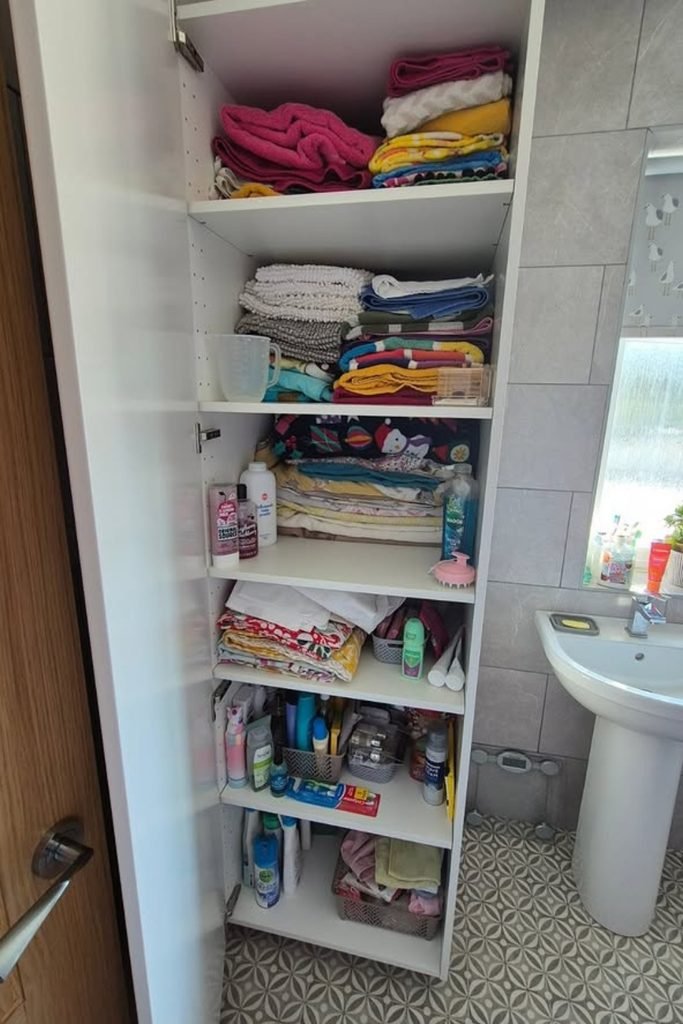
Keeping items you rarely use can quietly reduce available space and make frequently used belongings harder to organize.
Poorly placed storage also encourages clutter when putting something away takes more effort than simply leaving it out.
Understanding these habits helps you choose organization hacks that solve the real causes instead of repeatedly tidying surfaces.
How Long Does It Actually Take to Organize a Home?
Organizing a home does not need to happen in one exhausting weekend or require clearing every room at once.
A small space like a drawer or cabinet may take 15–30 minutes, while larger areas need more time.
One room can often be organized over a few focused sessions instead of spending an entire day working on it.
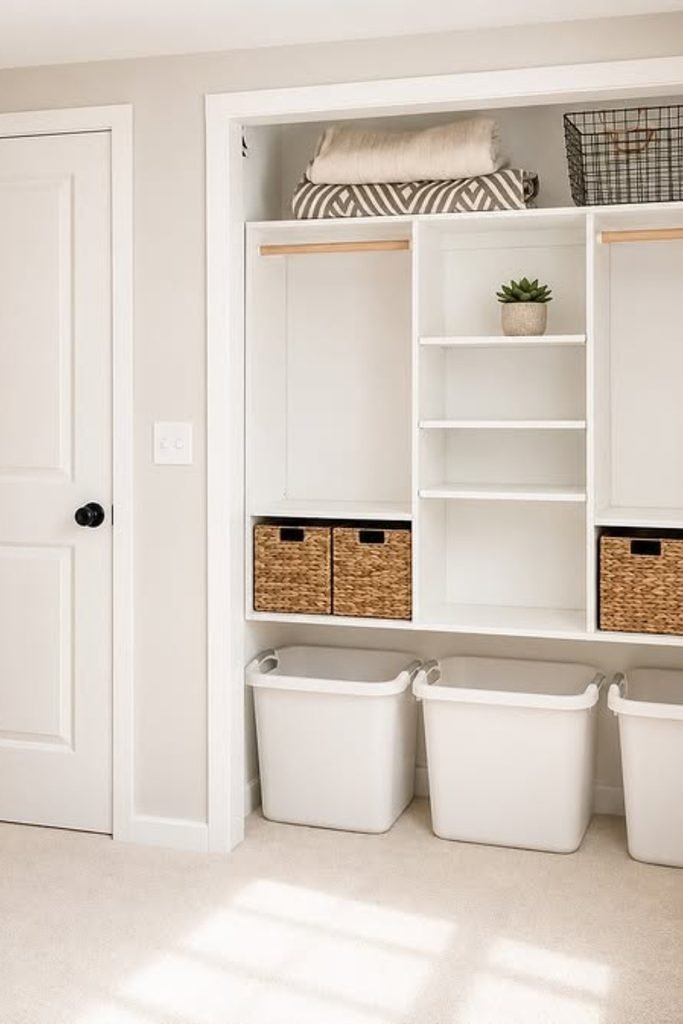
The total time depends on how much clutter you have, how quickly you make decisions, and your available storage.
Working in short daily sessions can make the process easier to manage and prevent you from losing motivation halfway through.
Focus on steady progress rather than speed, because simple systems you can maintain matter more than finishing everything quickly.
What Counts as Clutter (and What Doesn’t)?
Clutter is anything that has no useful purpose, proper home, or reason to stay in your everyday space.
Frequently used or meaningful items are not clutter when they have a designated place and remain easy to access.
The real problem begins when unnecessary or misplaced belongings start interfering with how you use and enjoy a room.
Start With the Clutter
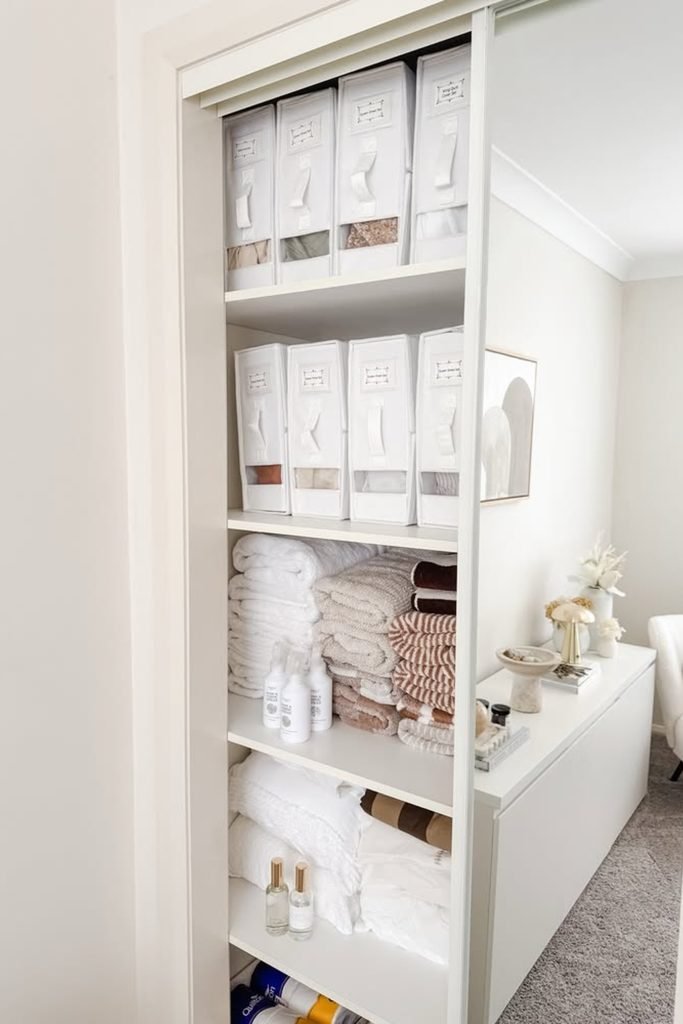
Buying baskets before sorting often creates organized-looking clutter instead of solving the reason your home feels messy.
First identify what keeps piling up, where it collects, and why those items are difficult to put away.
Remove things you no longer use before deciding how much storage space your remaining belongings actually require.
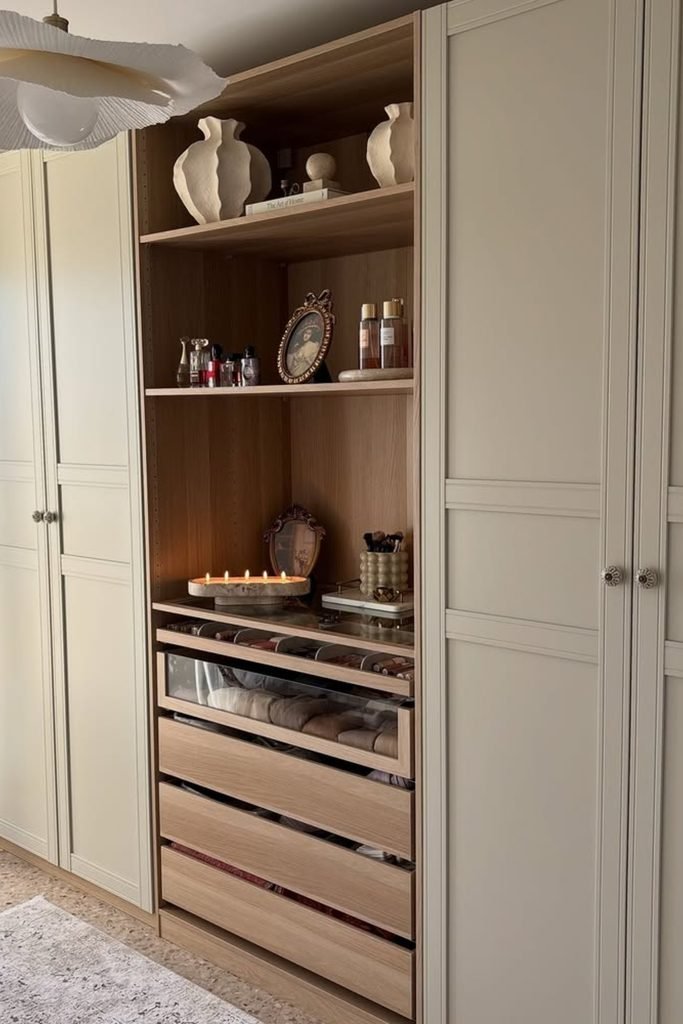
Match each clutter problem with a practical solution, such as hooks, drawer dividers, labeled bins, or vertical storage.
This approach helps you choose organization hacks based on real household habits rather than adding unnecessary containers.
| Clutter Problem | Possible Cause | Best Organization Hack |
| Items pile near the door | No drop zone | Add hooks, a tray, and a small basket |
| Drawers become messy | No separation | Use adjustable drawer dividers |
| Counters stay crowded | Frequently used items lack storage | Add wall-mounted or cabinet-door storage |
| Closets overflow | Too many unused items | Declutter first, then use labeled bins |
Space-Saving Organization Hacks
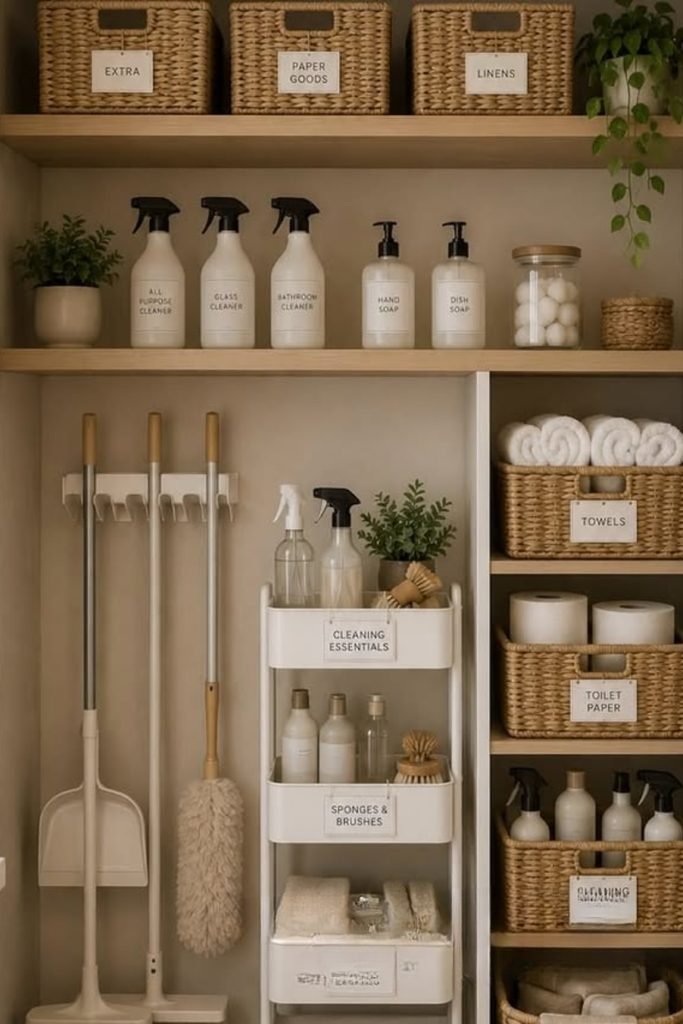
Use vertical space first by adding shelves, hooks, or stackable storage where floor space is already limited.
Look behind doors, above cabinets, and under furniture for areas that normally stay unused.
Choose storage that fits awkward gaps, such as slim rolling carts, narrow shelves, or under-bed containers.
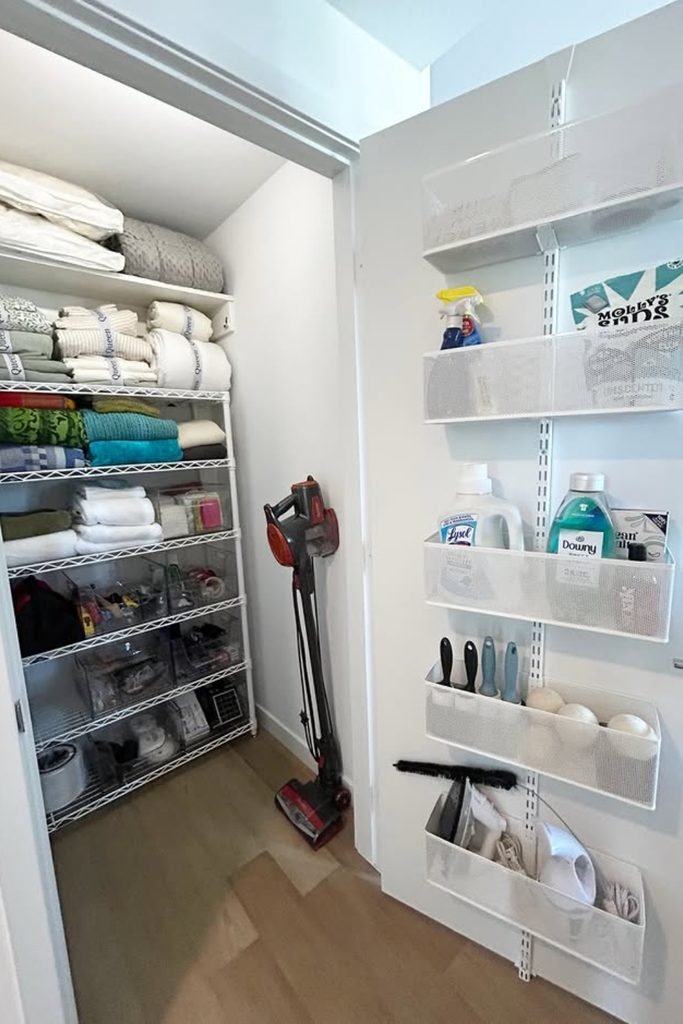
Furniture with built-in storage can hide everyday items without making smaller rooms feel crowded or overfilled.
Keep frequently used belongings within easy reach, while seasonal or rarely used items can go higher up.
The goal is to use overlooked space without filling every empty corner with unnecessary storage.
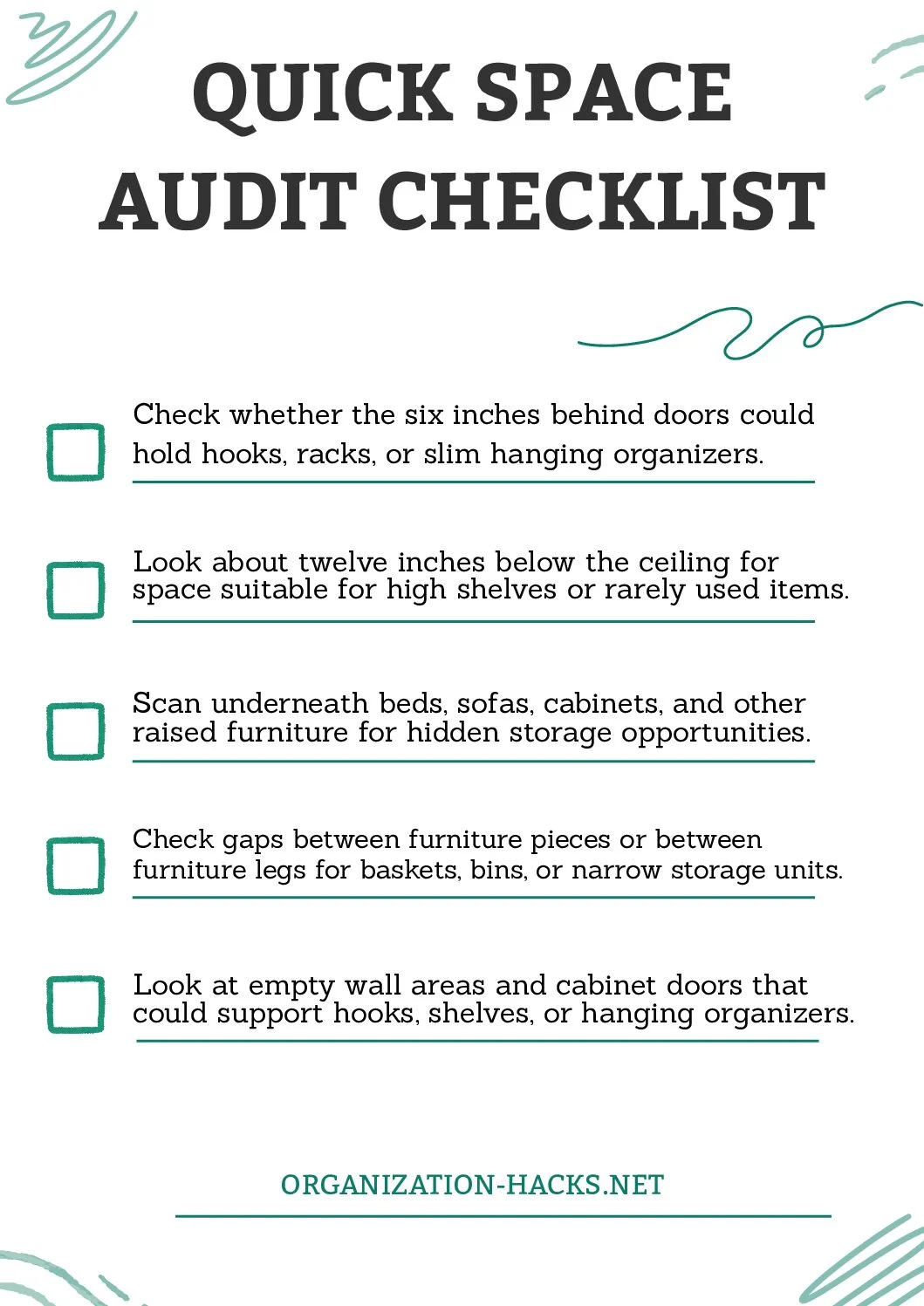
Quick Space Audit Checklist
Everyday Clutter Organization Hacks
Focus on the items that repeatedly collect on counters, tables, chairs, entryways, and other frequently used surfaces.
Create easy drop zones for keys, mail, bags, shoes, chargers, and other belongings used throughout the day.
Place storage close to where items are naturally used so putting them away requires almost no extra effort.
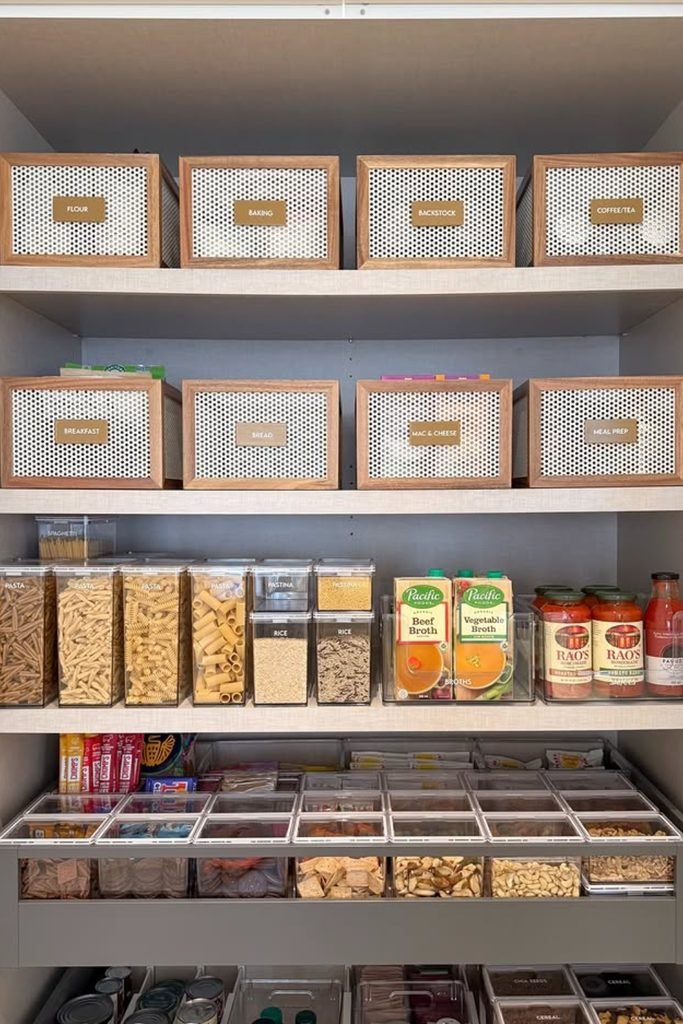
Use small baskets, trays, hooks, or containers to prevent loose everyday items from spreading across larger surfaces.
Limit each drop zone to specific categories so it does not gradually become another place for random clutter.
A quick daily reset keeps these small systems working and prevents everyday mess from turning into larger clutter problems.
Hidden Storage Organization Hacks
Hidden storage keeps useful belongings nearby without leaving everything visible on shelves, counters, or other open surfaces.
Look for furniture, cabinets, doors, and overlooked spaces that can store items without taking up additional floor space.
Prioritize hidden storage for less attractive necessities, backups, seasonal belongings, and items you do not need constantly.
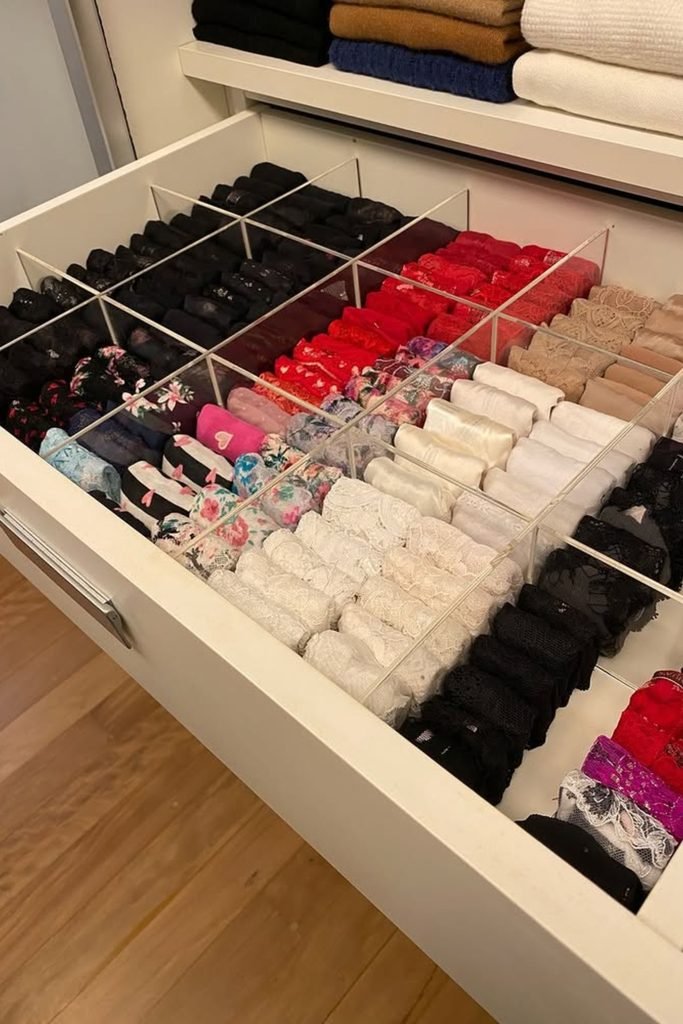
1. Hide It in Furniture
Choose beds, benches, ottomans, coffee tables, or seating with built-in compartments for items that need convenient hidden storage.
Use these spaces for blankets, toys, extra linens, games, or seasonal items rather than filling them with random belongings.
Keep categories separate inside larger compartments with smaller baskets so hidden storage stays easy to use and maintain.
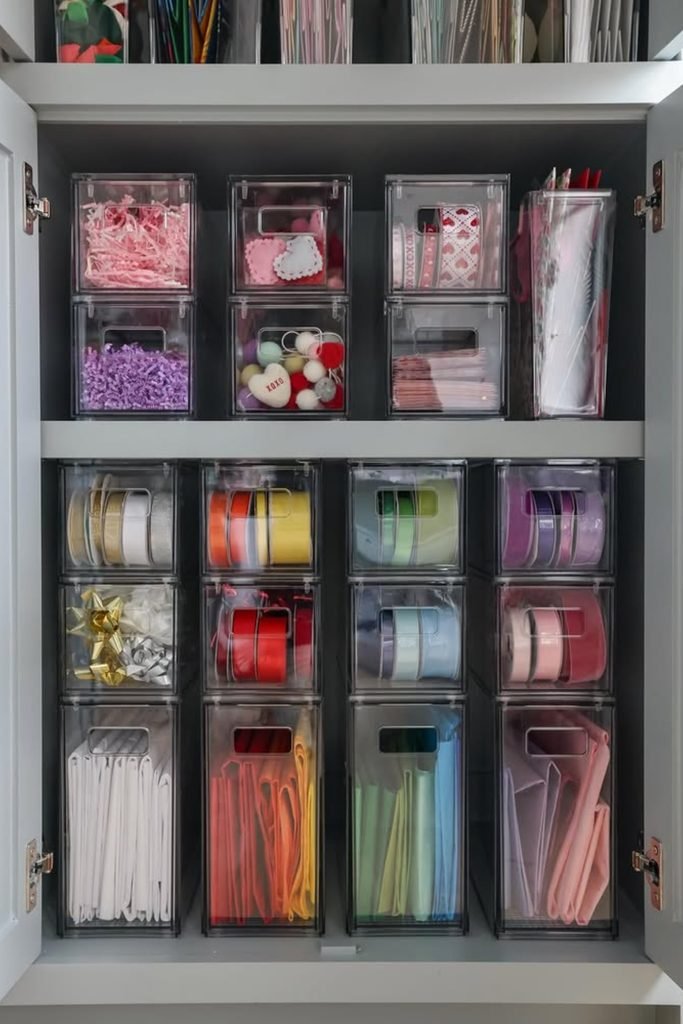
2. Use Closed Storage
Cabinets, drawers, cupboards, and lidded baskets are useful for hiding visually busy items while keeping them within easy reach.
Reserve open shelving for selected items and move everyday necessities into closed storage to create a cleaner visual appearance.
Organize inside cabinets with dividers, bins, or labels so closing the door does not simply hide an unmanaged mess.
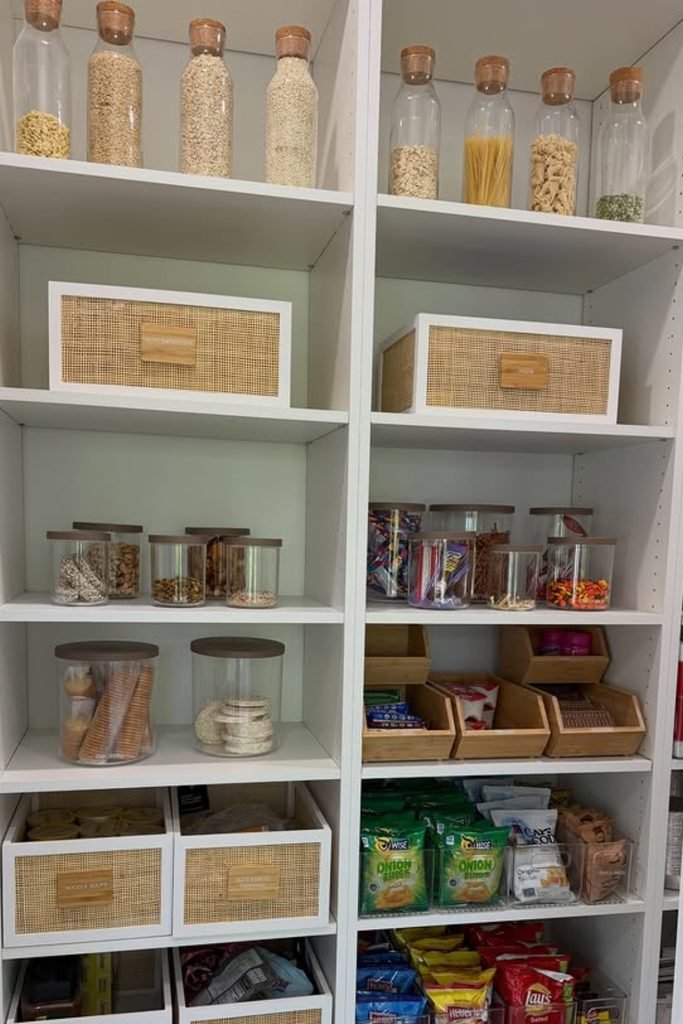
3. Claim Forgotten Spaces
Check under stairs, above doors, beneath beds, beside appliances, and inside awkward corners for overlooked storage opportunities.
Add slim shelves, fitted bins, hooks, or custom-sized containers depending on the shape and accessibility of each unused area.
Use forgotten spaces for items that match how often you need them, keeping everyday essentials easier to reach.
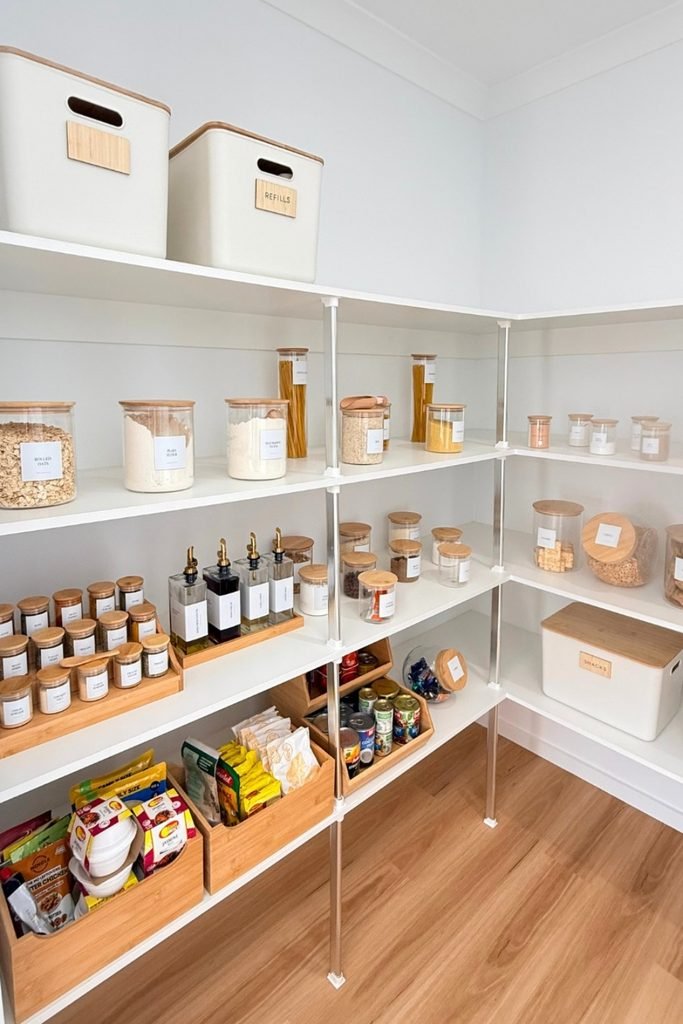
Small-Item Organization Hacks
Small items create visual clutter quickly because they are easy to scatter across drawers, counters, shelves, and bags.
Start by grouping similar items together so you can see what you own and remove unnecessary duplicates.
Use small compartments for accessories, office supplies, toiletries, chargers, tools, and other easily misplaced household essentials.
Keep frequently used items near the front while less-used pieces can stay in deeper or higher storage areas.
1. Divide the Drawer
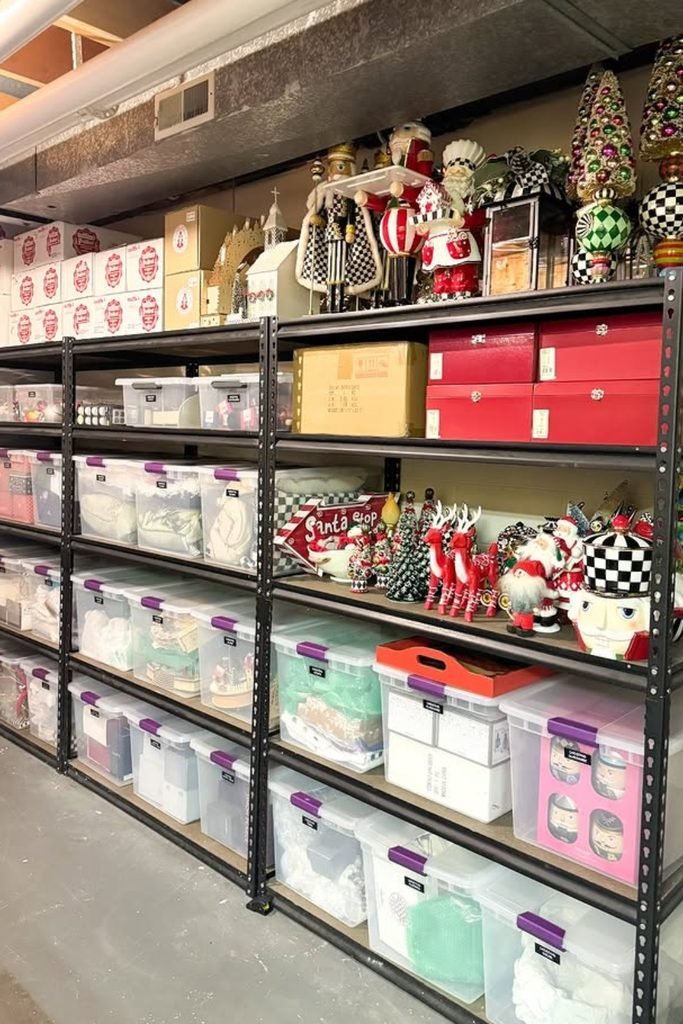
Use adjustable dividers, small boxes, or recycled containers to separate different types of small items inside one drawer.
Create sections based on what you actually store rather than forcing every drawer into the same organizational layout.
Keep each section spacious enough for easy access so items can be returned without rearranging everything around them.
2. Group by Routine
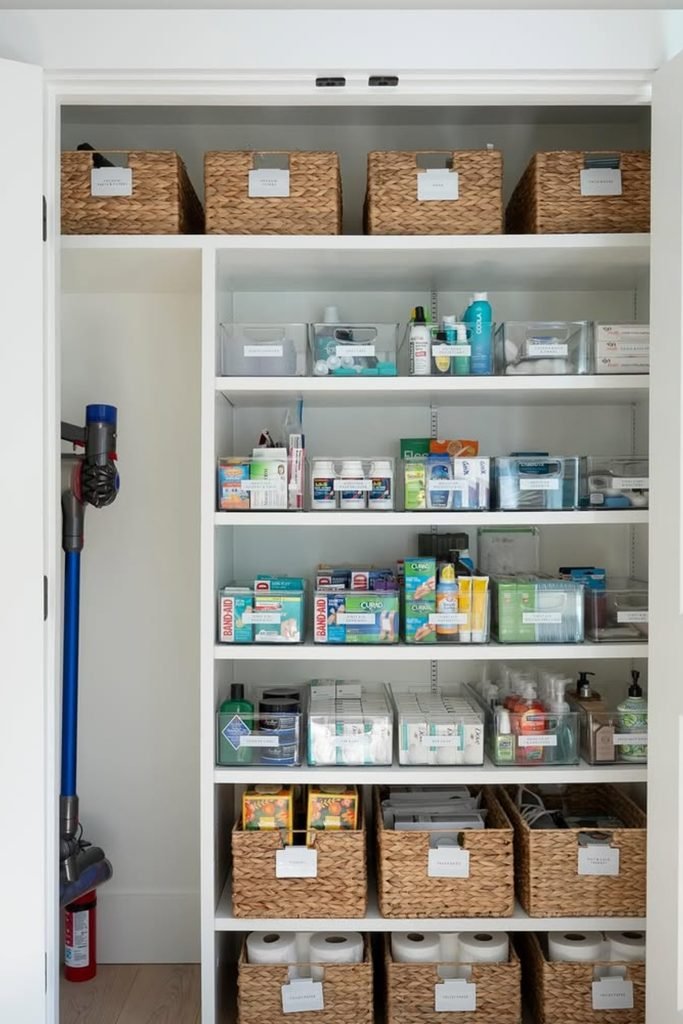
Store small items according to when you use them, such as morning essentials, work supplies, or bedtime necessities.
Keeping routine-related items together reduces searching and makes it easier to complete everyday tasks without creating extra clutter.
Place each routine group near the area where it is normally used so returning everything feels quick and natural.
3. Give Small Items Boundaries
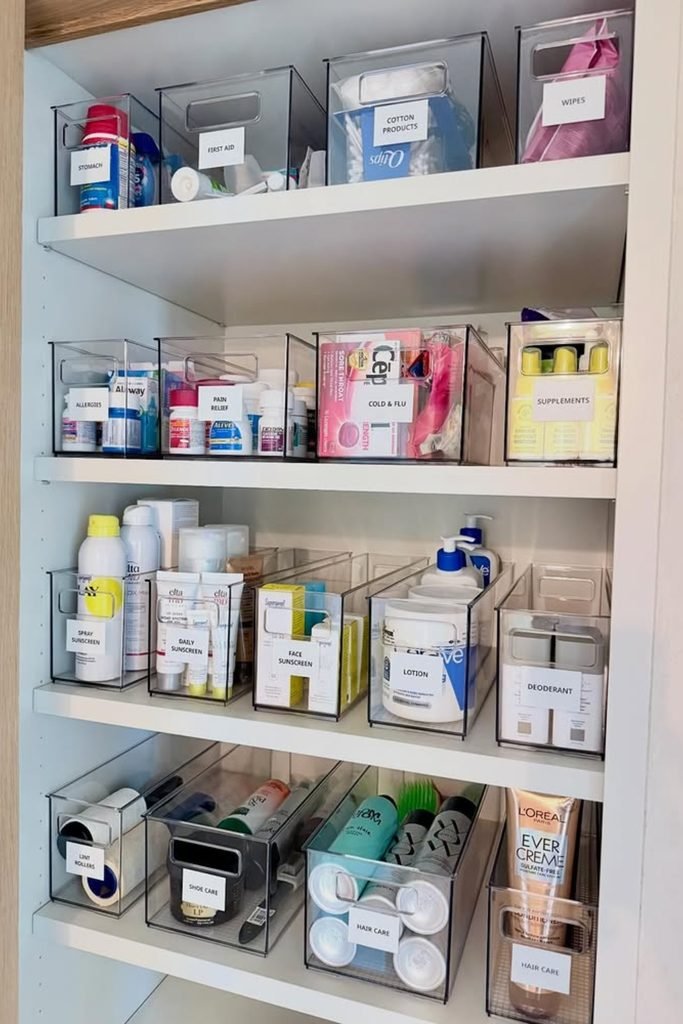
Assign every small-item category a specific tray, basket, compartment, or container instead of letting pieces spread freely.
Choose boundaries that match the amount you actually need, making overflow an easy signal that it is time to declutter.
Keep categories separate so small objects remain visible, easy to find, and simple to return after each use.
No-Buy Home Organization Hacks
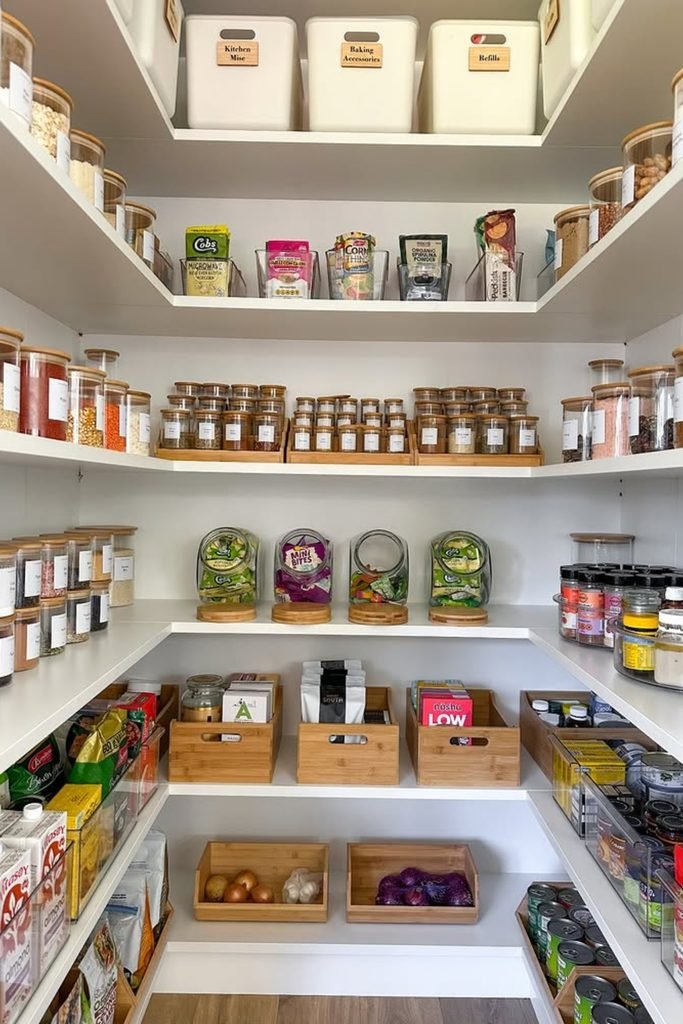
You can organize many areas of your home without purchasing new baskets, bins, shelves, or expensive storage systems.
Start by decluttering and rearranging what you already own before deciding whether additional storage is genuinely necessary.
Reuse shoeboxes, jars, food containers, cardboard boxes, and small packaging as drawer organizers or category holders.
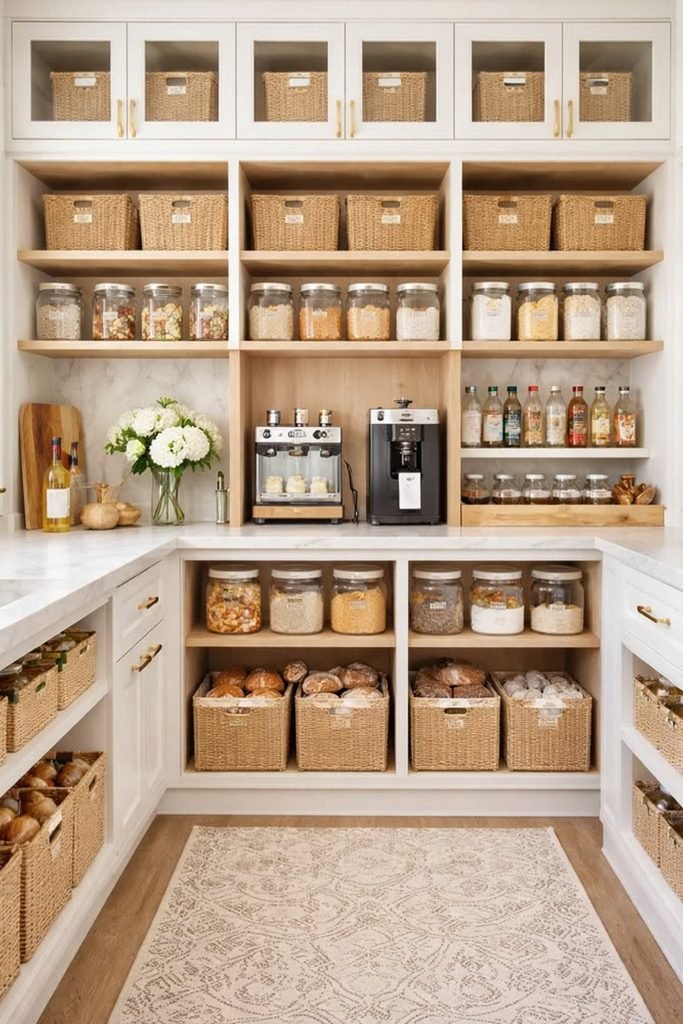
Move unused baskets, trays, hooks, or containers from one room to another where they can solve a bigger problem.
Fold, stack, group, and reposition belongings differently to create more usable space inside existing drawers, cabinets, and closets.
A no-buy approach keeps organization practical while helping you avoid adding more containers that could eventually become clutter themselves.
Quick-Reset Organization Hacks
Quick resets prevent small daily messes from turning into larger clutter problems that require more time to organize later.
Focus on returning misplaced items, clearing surfaces, and restoring frequently used areas instead of trying to deep-clean everything.
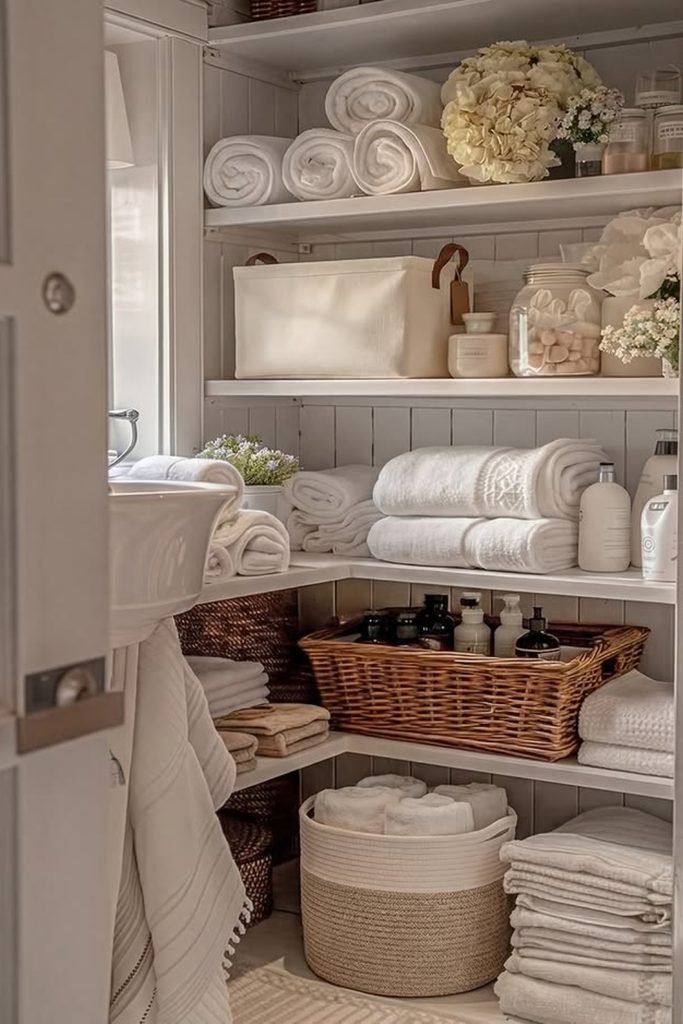
Keep reset tools simple so you can tidy quickly without pulling out multiple containers, supplies, or complicated organizing systems.
1. Use a Reset Basket
Keep one basket nearby for items that belong in other rooms instead of making multiple trips while tidying.
Collect misplaced belongings during your reset, then carry the basket through the house and return everything to its proper place.
Empty the basket completely after each reset so it does not become another permanent container for random clutter.
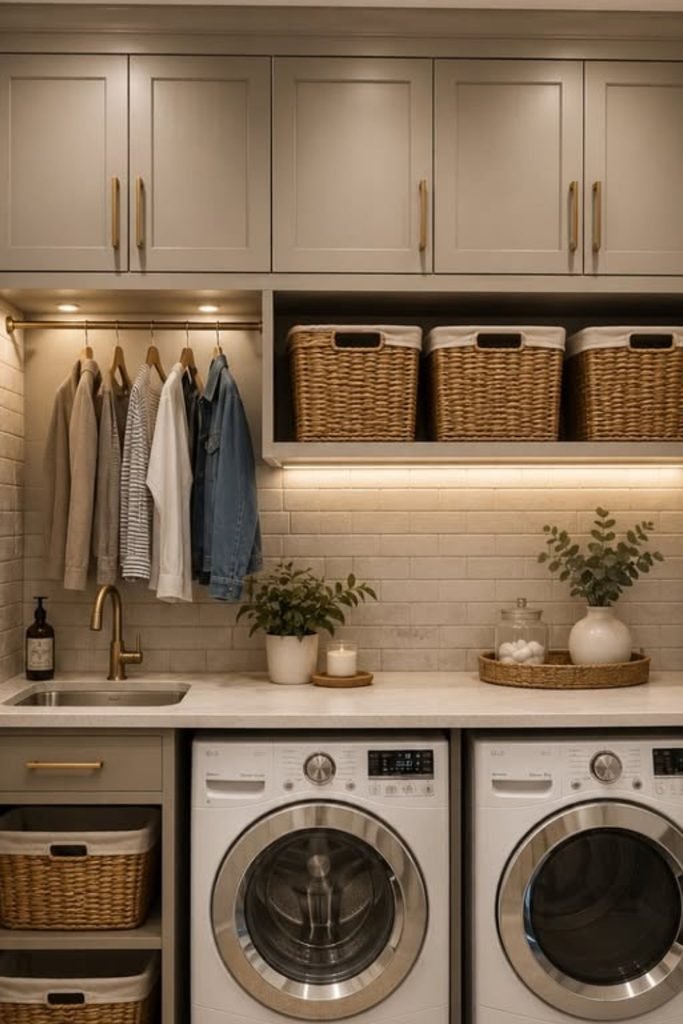
2. Try a Five-Minute Reset
Set a five-minute timer and focus only on the most visible clutter in one room or high-traffic area.
Return obvious items, clear one surface, and straighten frequently used spaces instead of starting projects you cannot quickly finish.
Short timed resets feel manageable enough to repeat daily and can keep clutter from building between deeper organization sessions.
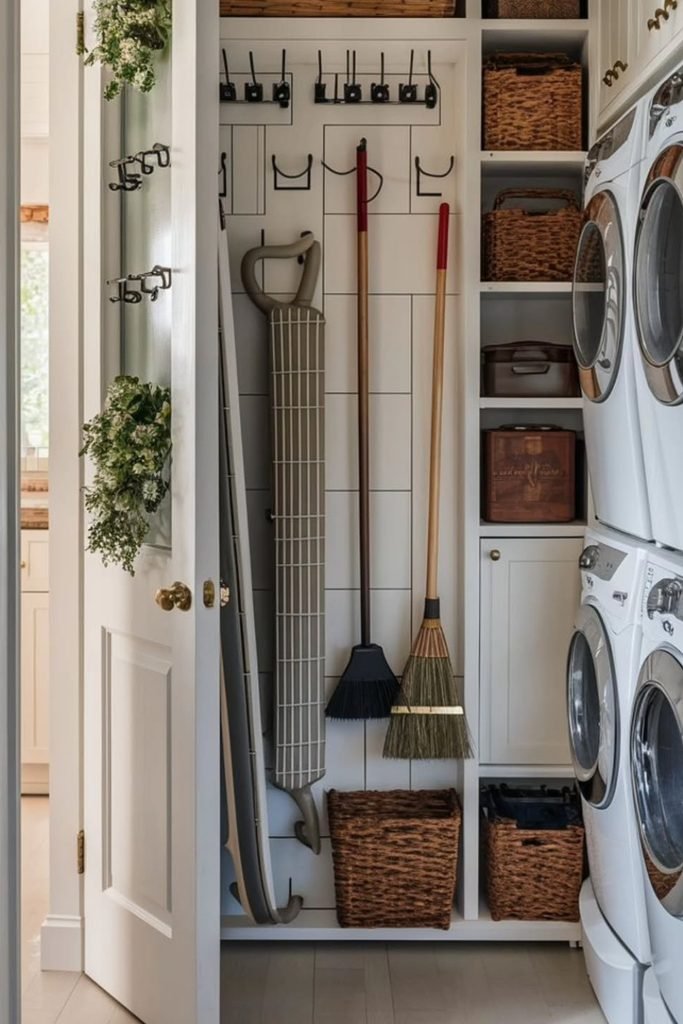
3. Follow the One-Motion Rule
Store everyday items so putting them away requires only one simple movement, such as hanging, dropping, sliding, or placing.
Avoid storage systems that require opening several boxes, moving other items, or completing multiple steps every time.
The easier an item is to return, the more likely your organization system will actually work during busy routines.
Hacks According to Problem
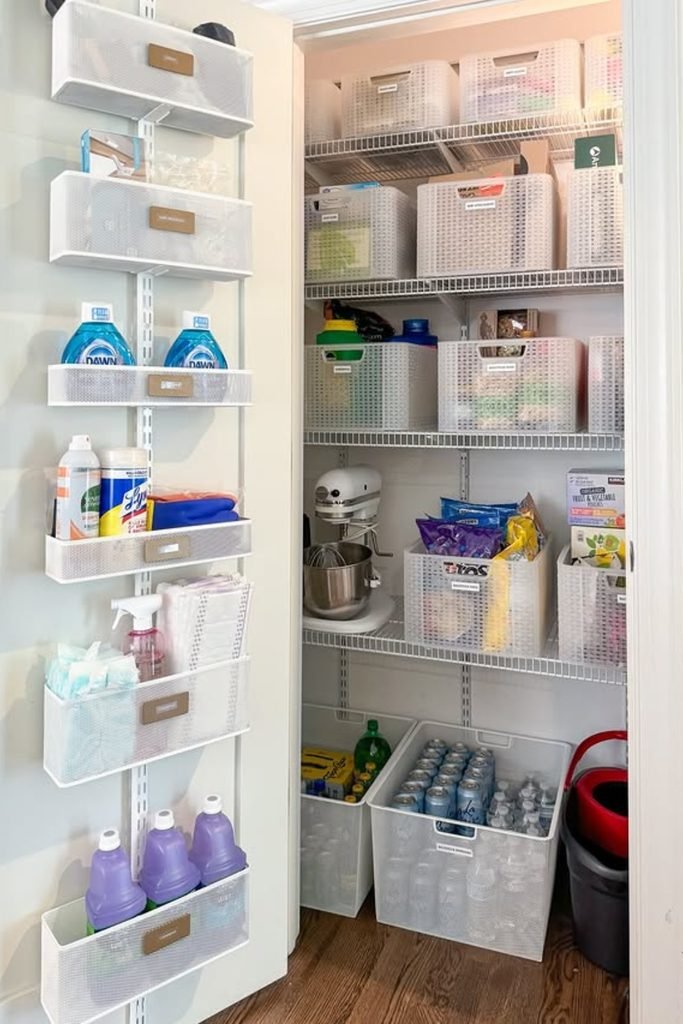
Choose organization hacks based on what causes the clutter rather than applying the same storage solution throughout your home.
Use hooks and drop zones for frequently misplaced items, while dividers work better for messy drawers and small belongings.
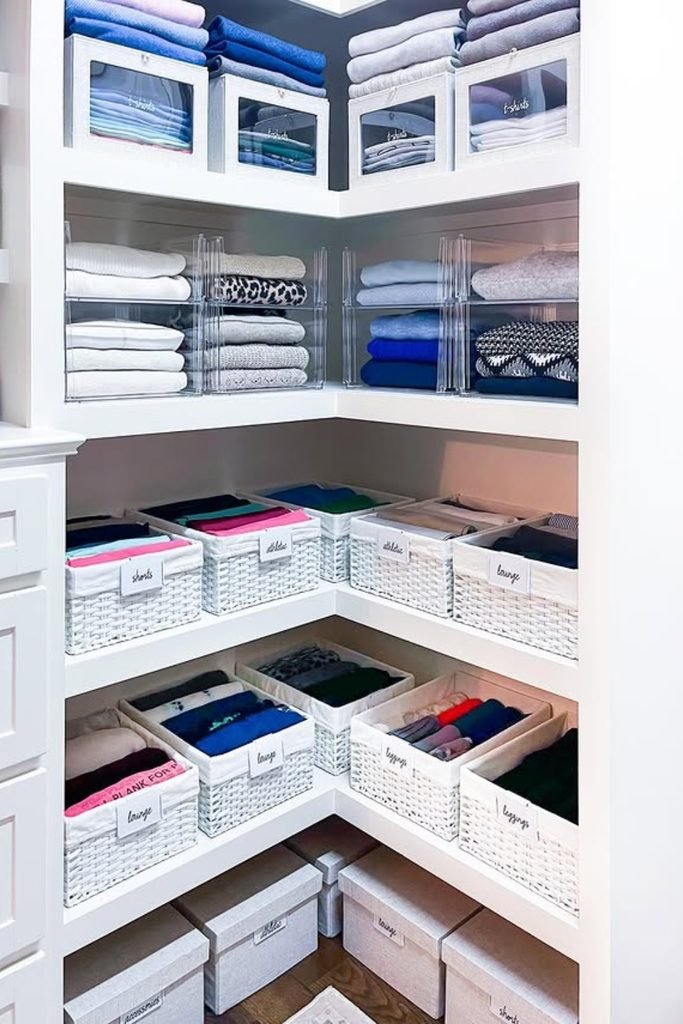
Hidden or vertical storage helps when space is limited, while quick-reset systems work best for clutter caused by daily routines.
Matching the solution to the specific problem creates systems that feel easier to use and are more likely to stay organized.
Conclusion
Good home organization works best when simple systems match your daily habits, available space, and actual clutter problems.
You can start small, use what you already have, and choose storage solutions that make everyday items easier to return.
Consistent resets and clear boundaries can help your home stay organized without turning tidying into a constant project.
FAQs
What Is the Easiest Home Organization Hack to Start With?
You can start by clearing one small surface, drawer, or clutter hotspot instead of trying to organize an entire room.
Remove unnecessary items, then give everything remaining a clear and easy-to-reach place.
How Can You Organize Your Home Without Buying Organizers?
Reuse boxes, jars, baskets, trays, and containers you already own to separate and group similar household items.
Decluttering, rearranging shelves, and moving existing storage between rooms can also create useful space without spending anything.