A cluttered teacher desk can make busy school days feel even more stressful and harder to manage.
Smart organization keeps everyday supplies, papers, and teaching essentials easy to find without crowding your workspace.
These teacher desk organization ideas will help you build a cleaner, practical, and easier-to-maintain workspace.
Let’s jump in!
Why Does a Teacher Desk Get Cluttered So Quickly?
Teacher desks collect clutter quickly because papers, supplies, student work, and personal items all compete for limited space.
Daily teaching routines bring new worksheets, notes, and materials that often get placed down without a clear home.
Frequently used tools pile up when there is no designated container, drawer, or storage zone nearby.
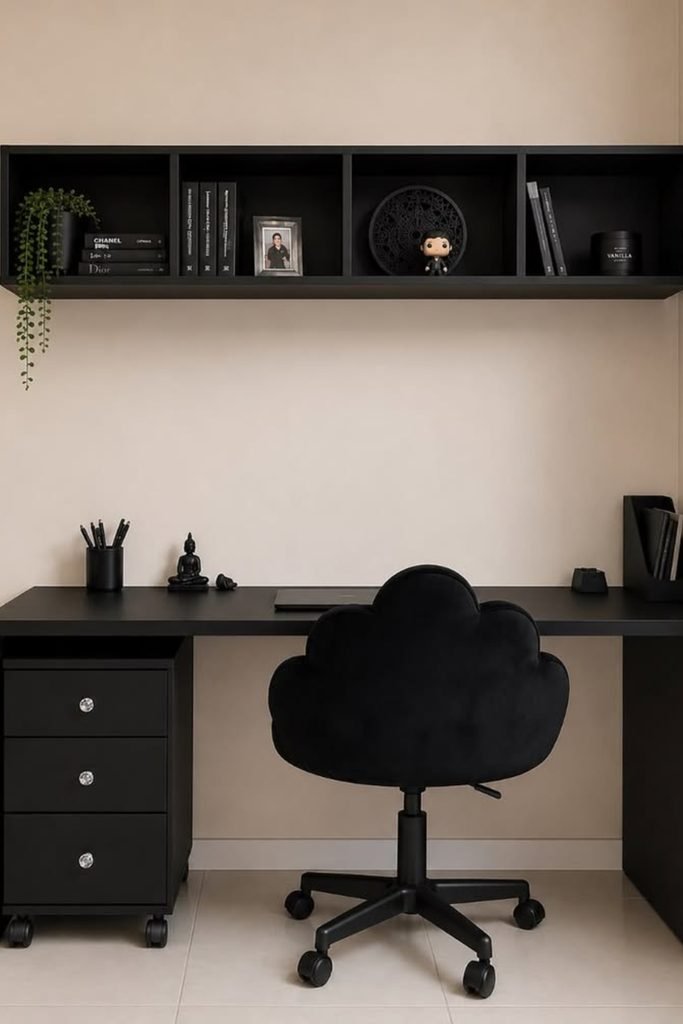
Unfinished grading and paperwork often stay visible because teachers need quick access to them throughout the day.
Shared classroom supplies may also migrate onto the desk when students return items to the easiest available surface.
What Should You Keep on Desk?
You should keep only items you regularly use for teaching, planning, grading, or communicating with students during the school day.
Useful essentials can include pens, pencils, sticky notes, a planner, frequently used folders, and a compact organizer.
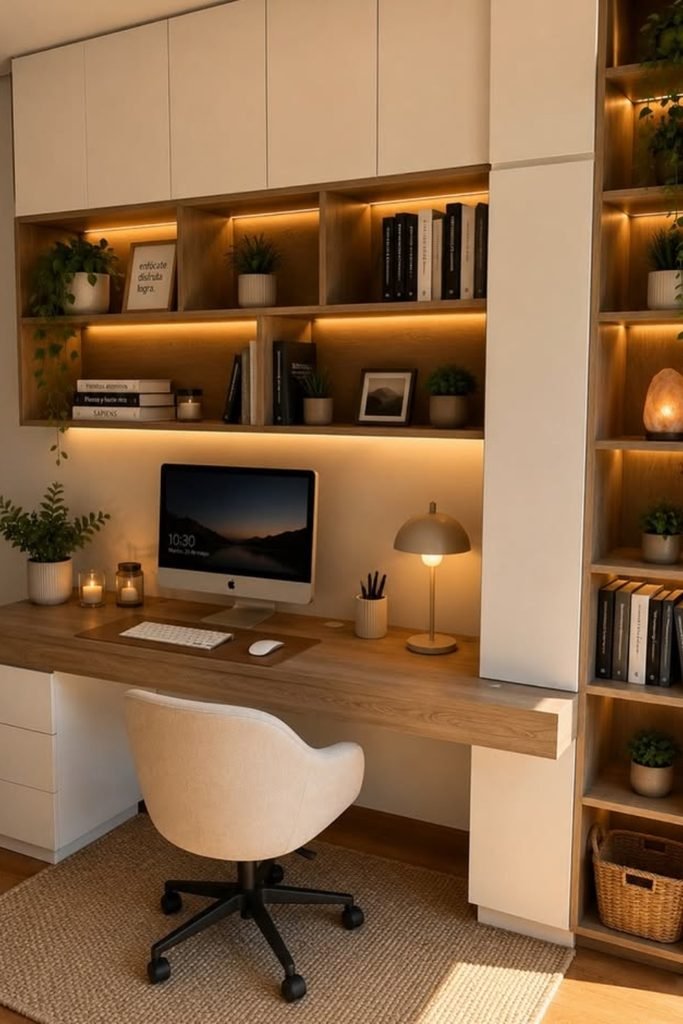
Keep current paperwork in one designated tray instead of allowing loose sheets and folders to cover the desk.
Personal items should stay minimal so they add personality without taking away valuable working space.
Move extra stationery, backup supplies, and rarely used materials into drawers, cabinets, or nearby storage.
| Desk Item | Keep on Desk? | Best Storage |
| Pens & Markers | Yes | Small organizer |
| Current Papers | Yes | Letter tray |
| Extra Supplies | No | Drawer or cabinet |
| Personal Items | Limited | Small designated area |
How to Divide Desk Into Organization Zones?
Divide the desk into clear zones based on the tasks and materials you use throughout the school day.
Each zone should have one purpose so papers, supplies, and devices do not mix together and create clutter.
Keep frequently used zones within easy reach, while less-used items can stay farther back or inside nearby storage.
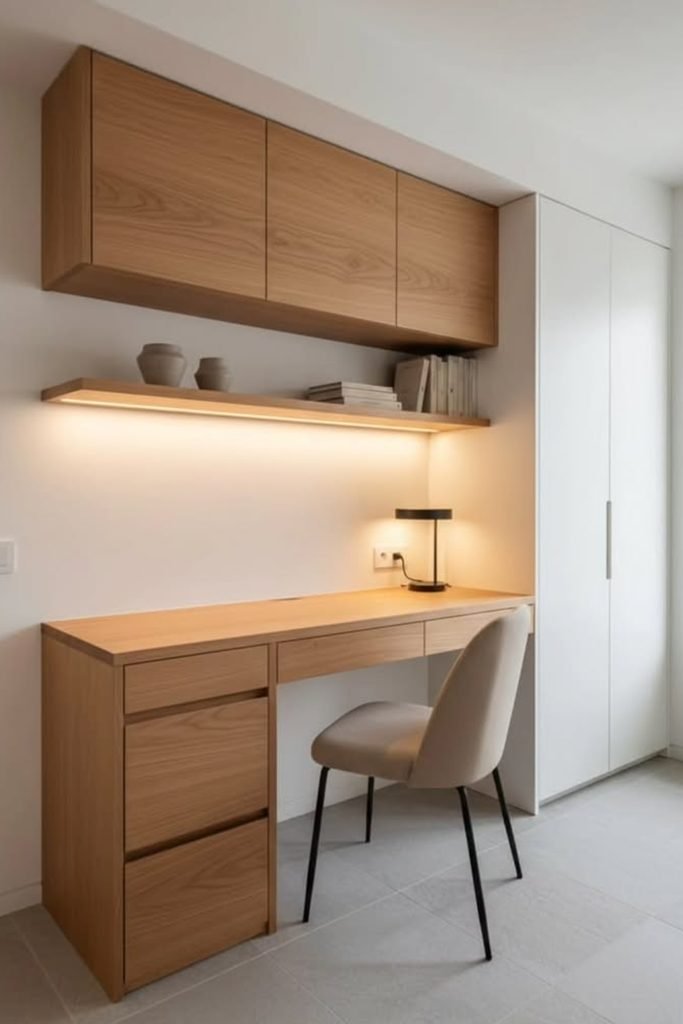
1. Daily Teaching Zone
Reserve this area for the materials you reach for most often while teaching, planning lessons, or helping students.
Include essentials such as your planner, lesson notes, sticky notes, pens, and frequently used classroom materials.
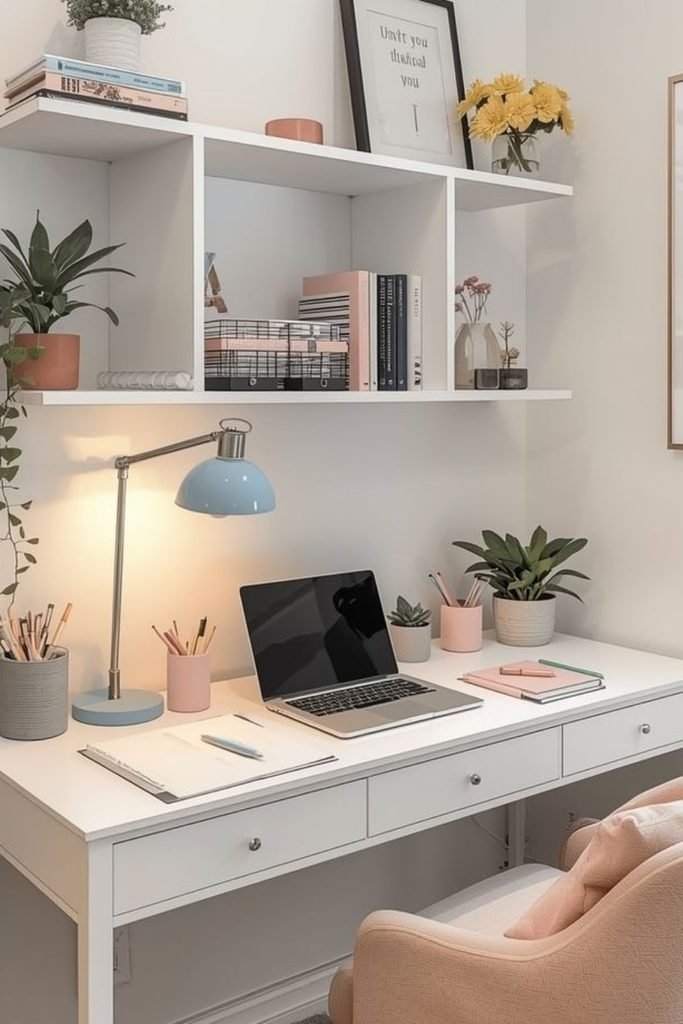
2. Paperwork Zone
Create one dedicated area for worksheets, grading, forms, permission slips, and other papers requiring your attention.
Use labeled trays or folders to separate incoming work, grading tasks, completed papers, and documents that need filing.
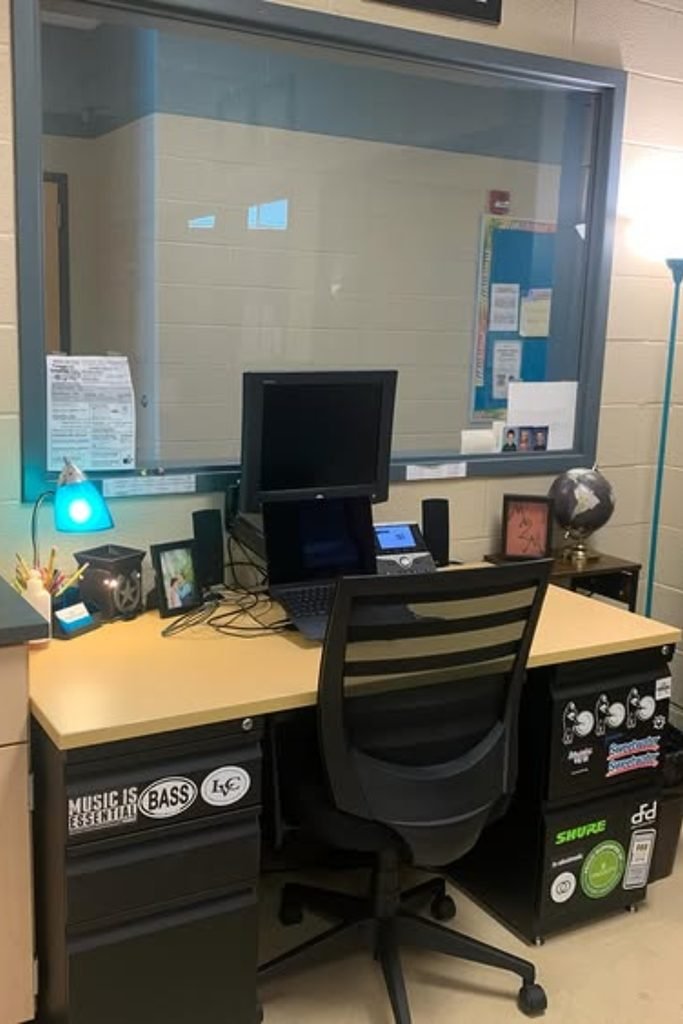
3. Supply Zone
Use this area for frequently needed supplies such as pens, markers, scissors, staplers, tape, and sticky notes.
Keep everything grouped inside cups, small containers, or drawer organizers instead of spreading supplies across the surface.
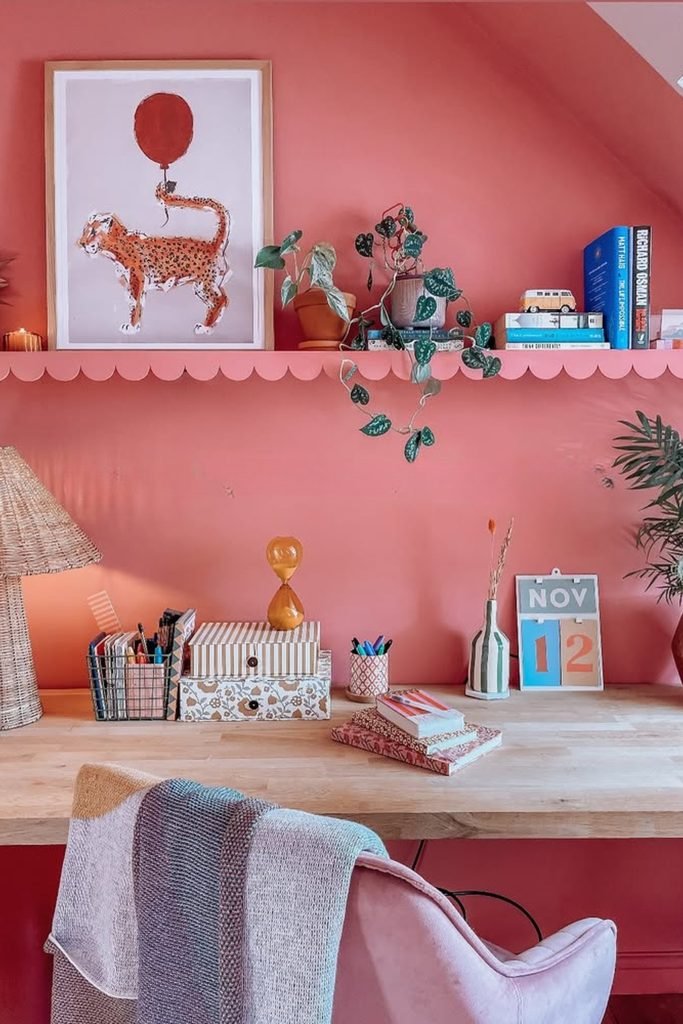
4. Technology Zone
Designate one area for your laptop, tablet, phone, chargers, headphones, and other technology used during teaching.
Use cable clips, charging stations, or cord organizers to keep wires controlled and the workspace looking cleaner.
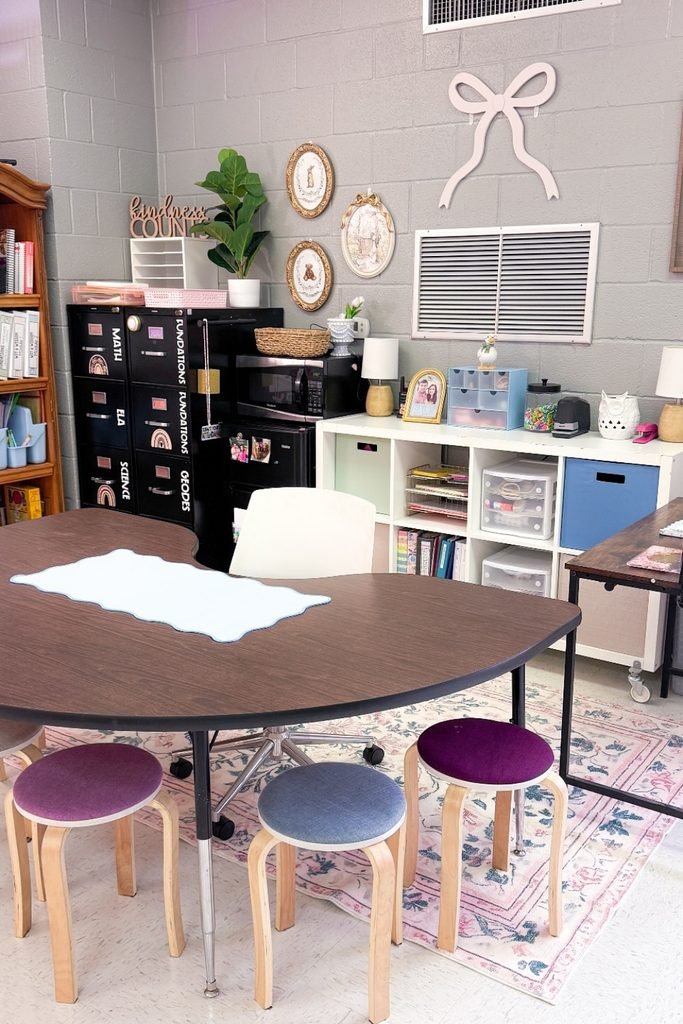
8 Teacher Desk Organization Ideas
Following are the 8 teacher desk organization ideas that actually make daily work easier.
1. Create an Action Tray
Set up one tray for papers and tasks that need attention instead of letting them pile across your desk.
Use simple labels such as “To Grade,” “To File,” or “Needs Response” depending on your daily workflow.
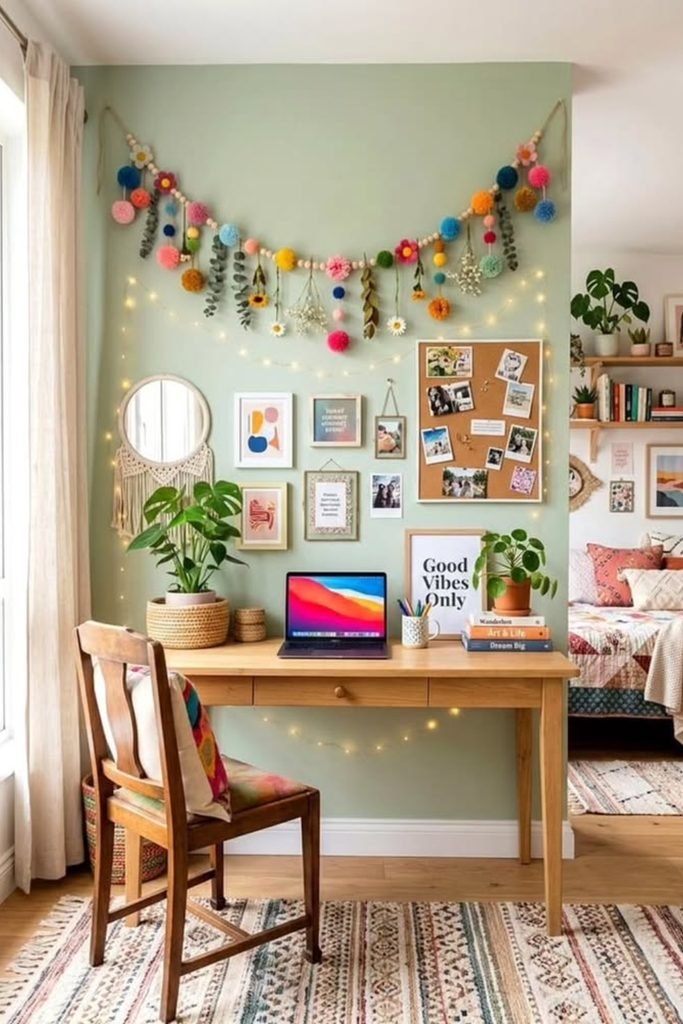
Keep the tray within reach so you can quickly place new paperwork into the correct spot during busy moments.
Limit the tray to active tasks only, and move finished papers out as soon as they are completed.
2. Keep Daily Supplies Within Reach
Store the supplies you use every day close enough that you can grab them without leaving your chair.
Pens, markers, sticky notes, scissors, and your stapler should have one consistent and easy-to-reach location.
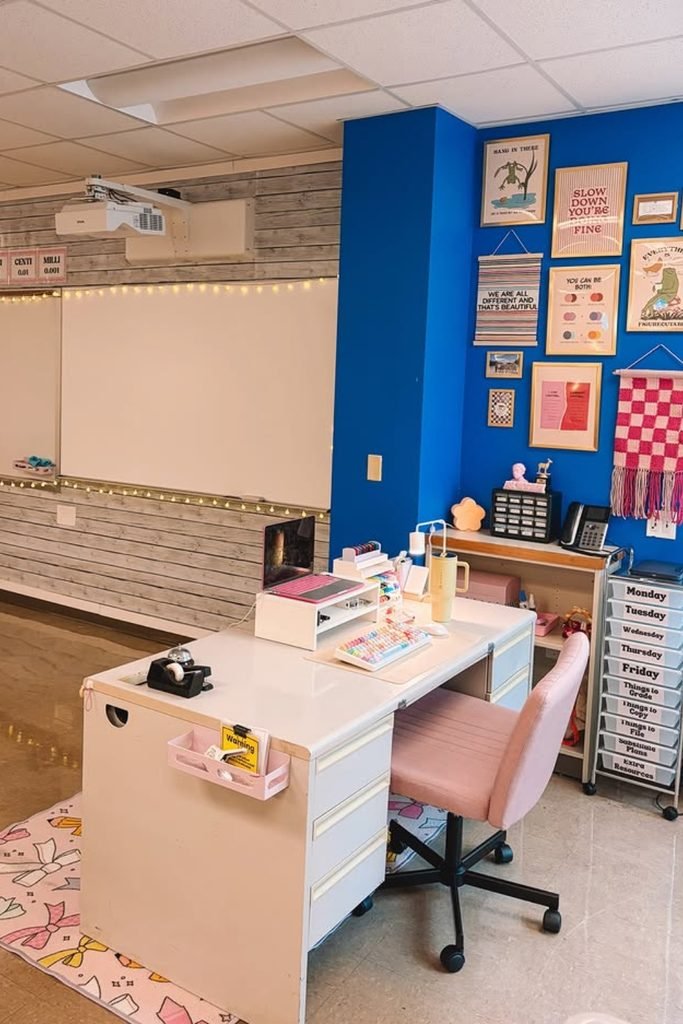
Use a compact desktop organizer rather than spreading individual supplies across different areas of your desk.
Keep backup supplies elsewhere so the desktop only holds what you actually need during a normal school day.
3. Organize Drawers by Frequency
Arrange desk drawers according to how often you use the items inside instead of grouping everything randomly.
Keep everyday tools in the top drawer, occasional supplies below, and rarely used items in the lowest drawer.
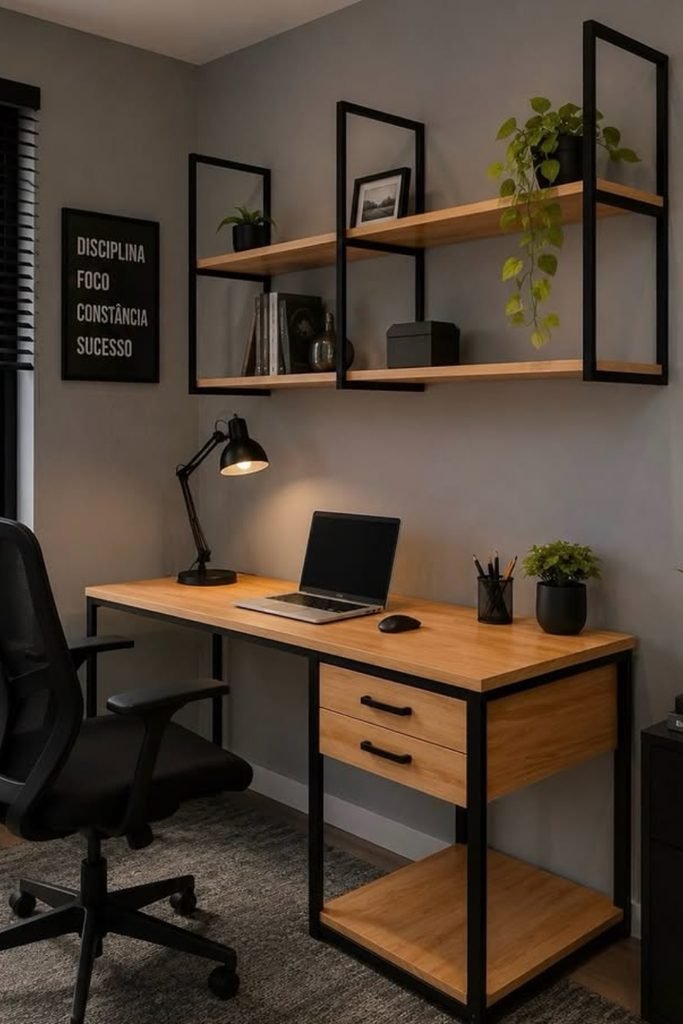
Use small dividers or containers so pens, clips, sticky notes, and other supplies stay separated and visible.
Avoid filling drawers completely because extra space makes it easier to return items to their proper place.
4. Build a Student Paper System
Create a clear system for collecting, grading, returning, and filing student papers before they reach your desk.
Use labeled trays, folders, or class-specific bins so each type of paperwork immediately has a designated destination.
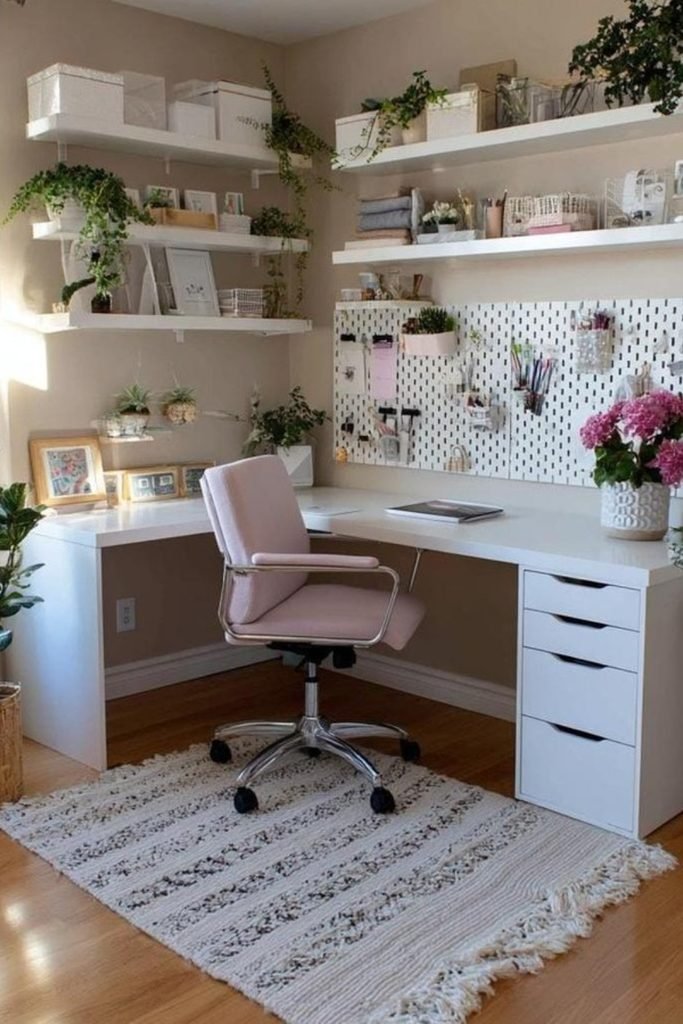
Separate papers waiting for grading from completed work to avoid mixing unfinished tasks with items ready to return.
Choose labels that match your classroom routine so the system feels natural instead of creating extra work.
5. Control Small Supply Clutter
Small items like paper clips, push pins, erasers, and binder clips can quickly make a desk look messy.
Store these supplies in divided containers, small drawers, or labeled cups rather than keeping loose pieces on the surface.
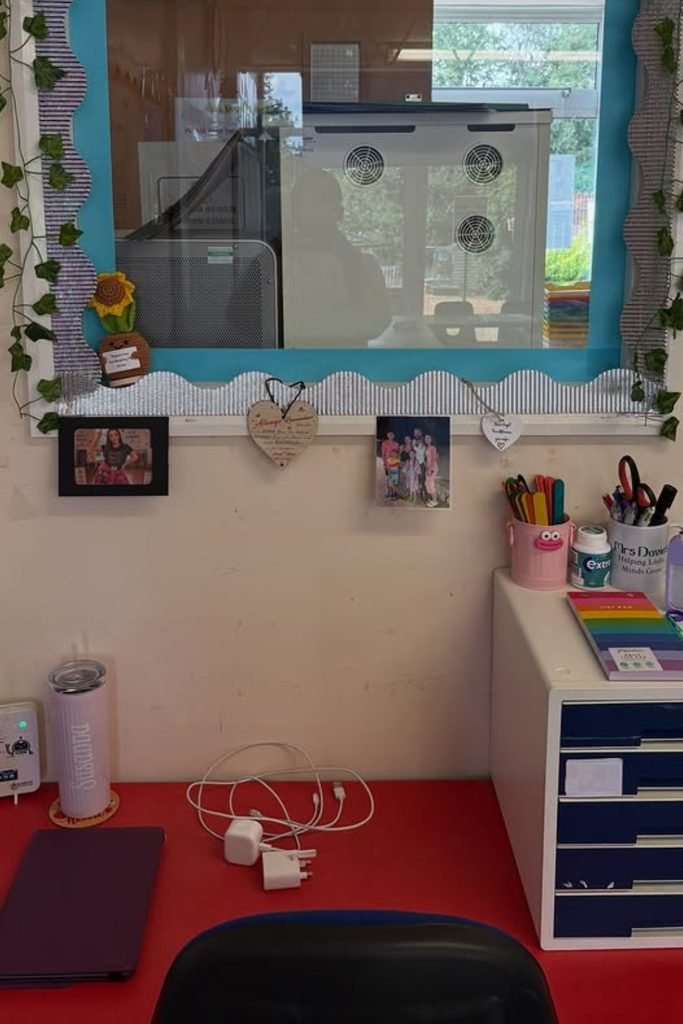
Group similar items together so you can find what you need without digging through a mixed container.
Keep only a practical amount at your desk and store bulk extras in a cabinet or supply closet.
6. Give Technology a Home
Choose a dedicated place for your laptop, tablet, phone, chargers, headphones, and other classroom technology.
Keep charging cables secured with clips or cord organizers so they do not spread across your work surface.
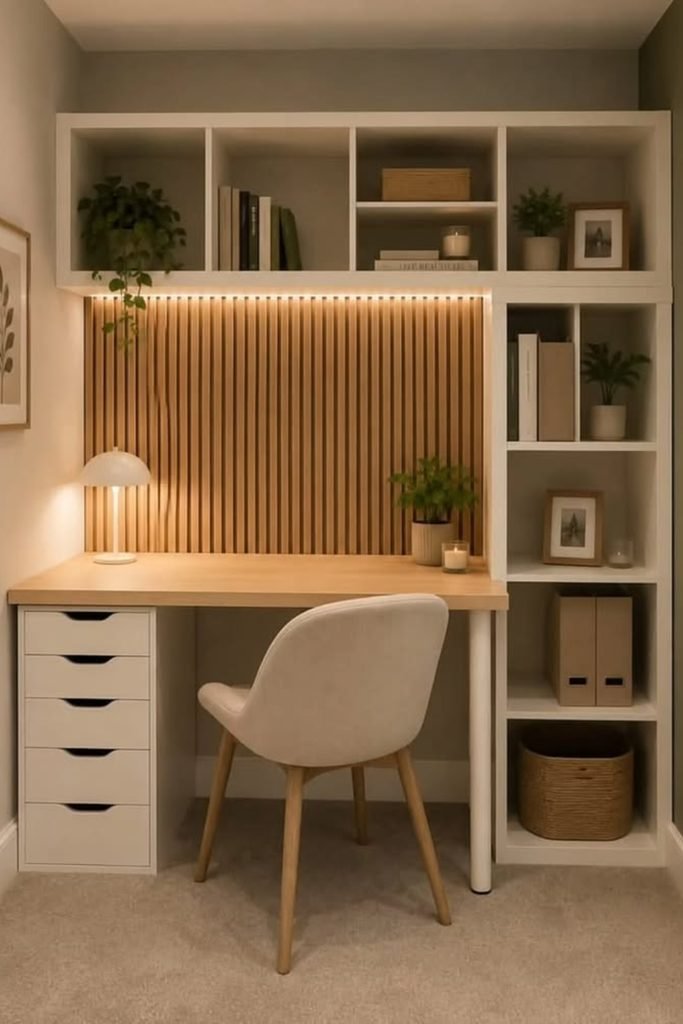
Store devices vertically or on a stand when possible to free up valuable desk space between uses.
Keep technology away from loose papers, drinks, and crowded supply areas to reduce accidental damage or tangles.
7. Add Vertical Storage
Use the space above or beside your desk when the desktop and drawers cannot hold everything comfortably.
Add file sorters, wall pockets, pegboards, or stacked organizers for papers and supplies you still need nearby.
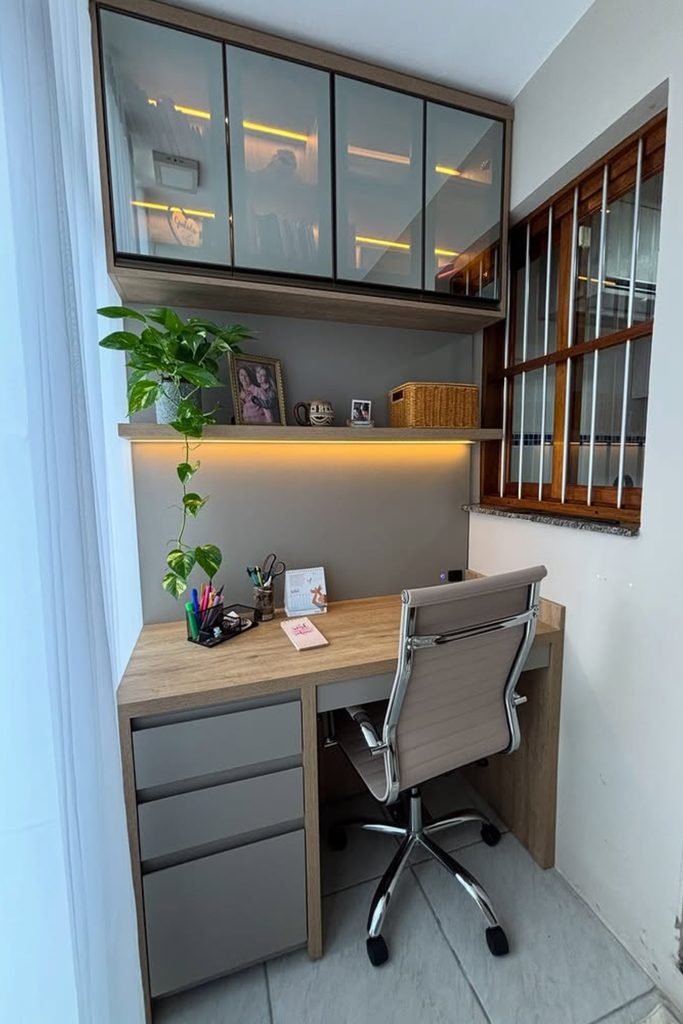
Keep frequently used items at eye level while placing occasional materials higher or farther from your main workspace.
Avoid overloading vertical storage because too many visible items can make the area feel cluttered again.
8. Create a Personal Essentials Spot
Set aside one small area for personal essentials so they do not get mixed with teaching supplies and paperwork.
This spot can hold items such as your keys, wallet, hand lotion, water bottle, or small personal pouch.
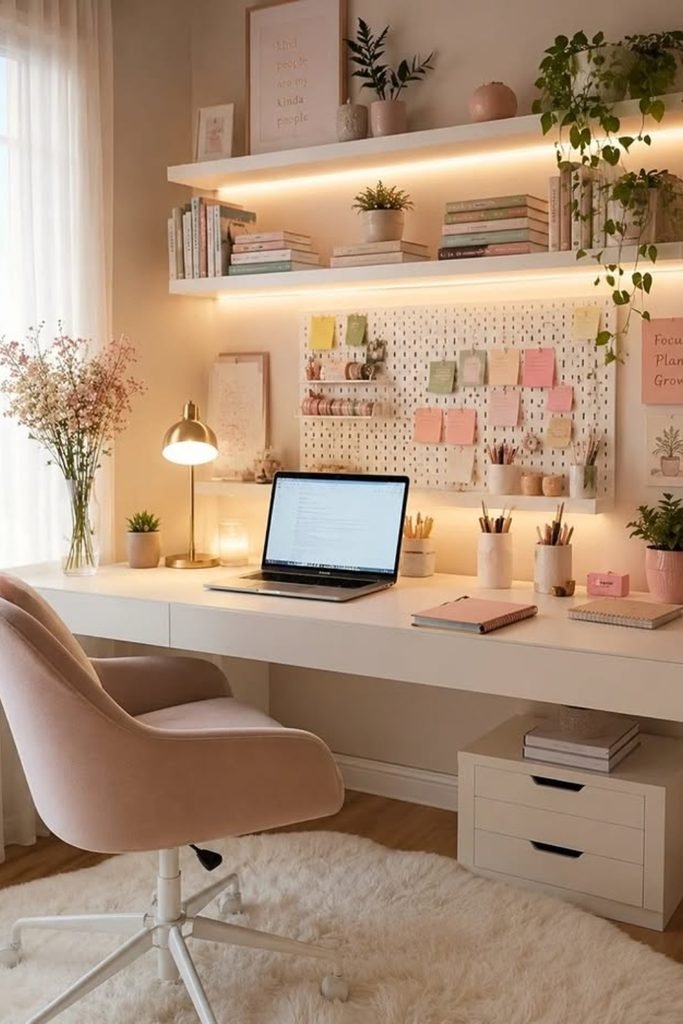
Use one drawer, basket, or container and keep the amount limited to what you actually need at school.
Avoid scattering personal belongings across the desk because they can quickly interfere with your working zones.
Small Teacher Desk Organization
You can cse a vertical file sorter for folders, lesson plans, and papers you need throughout the day.
Then you must add drawer dividers so small supplies stay organized without taking up valuable desktop space.
Mount wall pockets beside the desk for frequently used documents, forms, or student paperwork.
Choose stackable trays to separate active papers while using less horizontal surface area.
Use a compact rolling cart beside the desk when you need extra storage without expanding the workspace.
Which Teacher Desk Organizers Are Actually Worth Using?
The best organizers solve a specific clutter problem instead of simply adding more containers to your desk.
| Organizer | Best For | Worth Using When |
| Letter Trays | Active paperwork | You handle papers daily |
| Drawer Dividers | Small supplies | Drawers become messy quickly |
| Vertical File Sorter | Folders and plans | Desktop space is limited |
| Desktop Caddy | Daily tools | You need supplies within reach |
| Cable Organizer | Technology | Chargers and cords create clutter |
How to Organize Desk Paperwork?
Use a simple incoming → action → finished → filed/returned workflow so every paper always has a clear next destination.
Incoming papers should go into one tray instead of being placed randomly across the desk.
Move anything requiring grading, signing, reviewing, or responding into a separate action area.
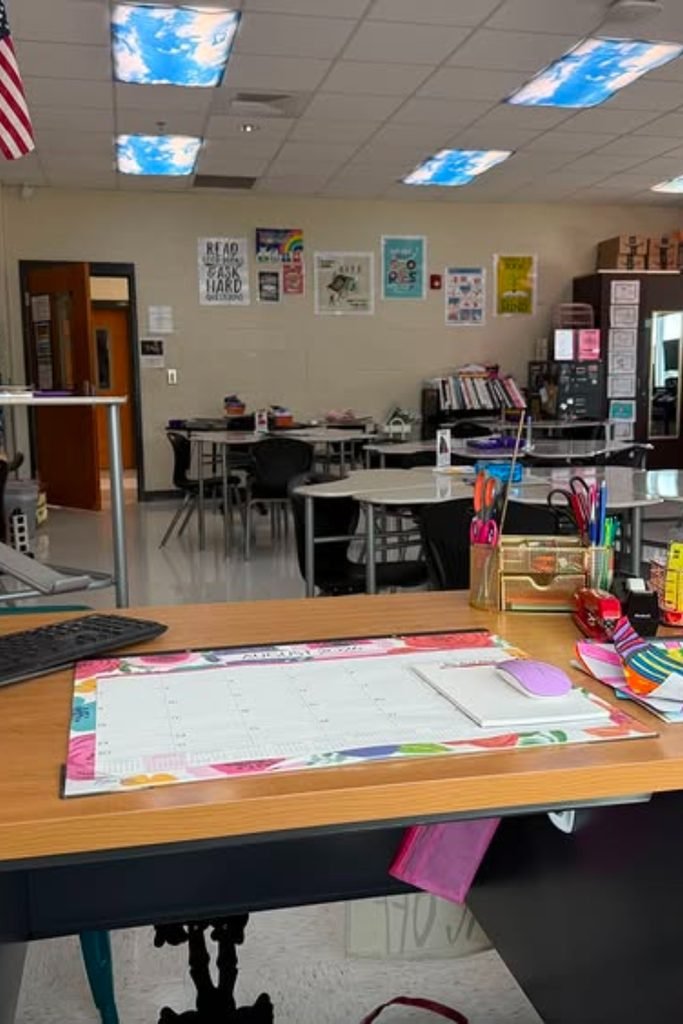
Once the task is completed, place the paper in a finished tray rather than leaving it with active work.
At the end of the day, file finished documents or return student papers so the finished tray stays clear.
This workflow keeps papers moving instead of allowing several permanent piles to build up.
No-Cost Teacher Desk Organization Hacks
Reuse small boxes, jars, or containers from home to organize pens, clips, sticky notes, and other classroom supplies.
Turn empty cereal boxes into simple file holders for folders, worksheets, lesson plans, or papers waiting to be graded.
Use binder clips to manage charging cables, hold labels, or keep frequently used papers grouped together without buying organizers.
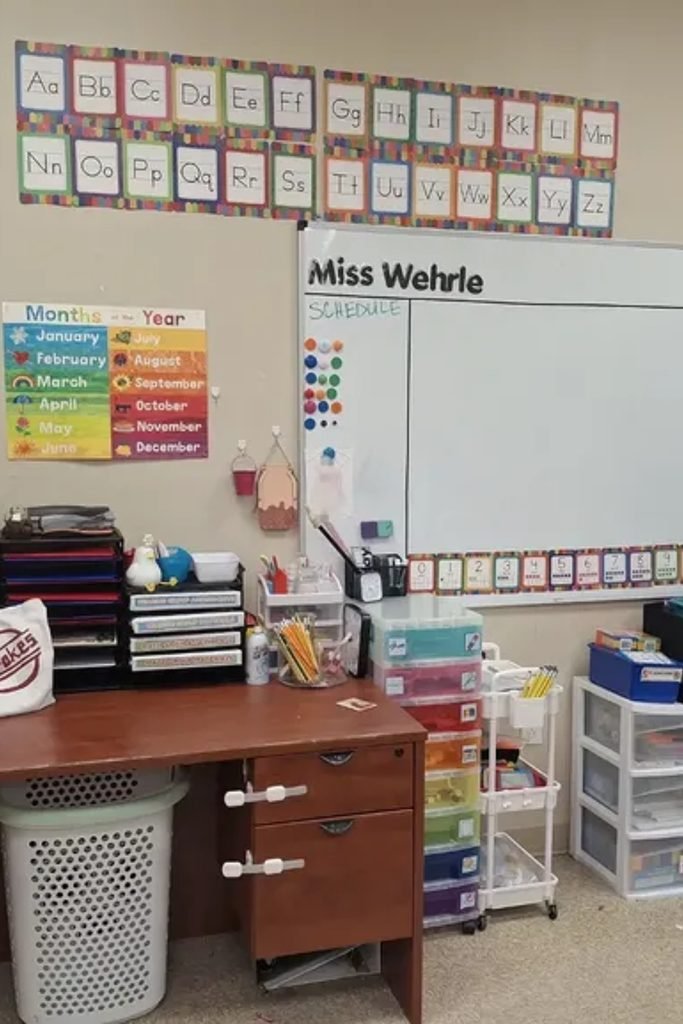
Repurpose old folders and envelopes to separate paperwork by subject, class, priority, or stage in your daily workflow.
Use materials already available in the classroom before buying new organizers, especially for simple storage and labeling needs.
How Do You Keep a Teacher Desk Organized All School Year?
Reset your desk for a few minutes at the end of each school day before leaving the classroom.
Return supplies to their assigned zones instead of allowing frequently used items to slowly spread across the surface.
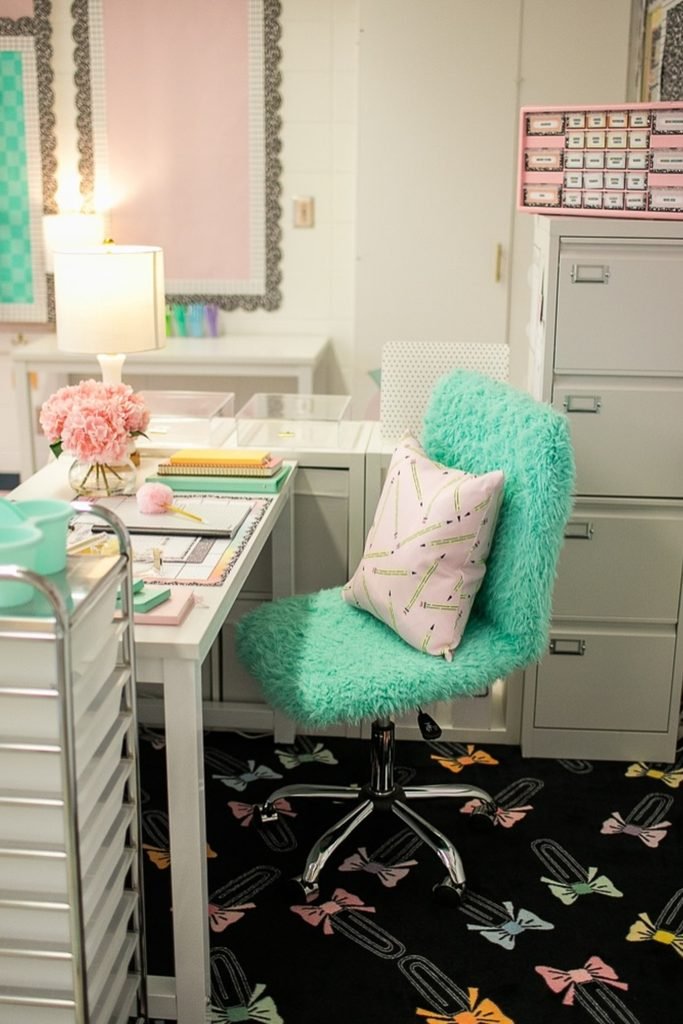
Empty action trays regularly so finished grading, forms, and student papers do not turn into permanent stacks.
Review drawers and organizers each month to remove broken supplies, duplicates, and materials you no longer use.
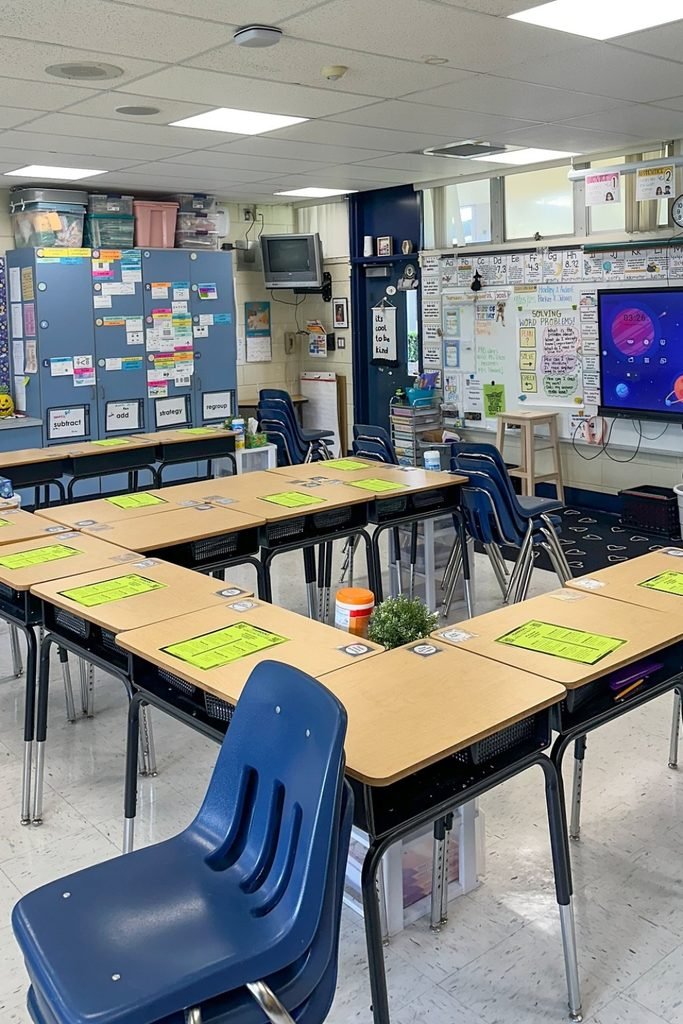
Restock only what you need and keep bulk classroom supplies stored away from your main working area.
A simple daily reset combined with occasional decluttering keeps the organization system manageable throughout the school year.
Conclusion
A well-organized teacher desk should make your daily work easier, not create another complicated system to maintain.
You can give every paper, supply, device, and personal item a clear home based on how often you use it.
You can start with small changes, maintain them consistently, & your desk can stay functional even during the busiest school weeks.
FAQs
How Do Teachers Organize Their Desk for Back-to-School?
Start by clearing the desk completely and deciding which supplies and materials you will actually use every day.
Set up separate zones for paperwork, teaching tools, technology, and personal items before the first day of school.
Label trays and drawers early so new papers and supplies already have a designated place when classroom routines begin.
What Should Teachers Keep in Their Desk Drawers?
Keep frequently used supplies such as pens, markers, sticky notes, scissors, tape, clips, and small classroom tools nearby.
Use the top drawer for daily essentials and lower drawers for supplies you only need occasionally during lessons.
Avoid storing large quantities or rarely used materials in desk drawers when they can be kept in cabinets instead.