A bedroom can look messy surprisingly fast when clothes, chargers, laundry, and everyday items have nowhere specific to go.
The problem is often not how much stuff you own, but how well your storage works with your daily routine.
With a few practical systems, you can reduce clutter, make things easier to find, and create a calmer space to unwind.
Let’s jump in!
Why Does a Bedroom Get Cluttered Faster?
Bedrooms hold clothes, laundry, accessories, books, personal items, and daily essentials, so clutter can build up from several sources at once.
Getting dressed, changing clothes, relaxing, and preparing for bed all create small messes that can quickly pile up during the day.
Limited closet space often pushes extra items onto chairs, floors, dressers, or any surface that still has room.
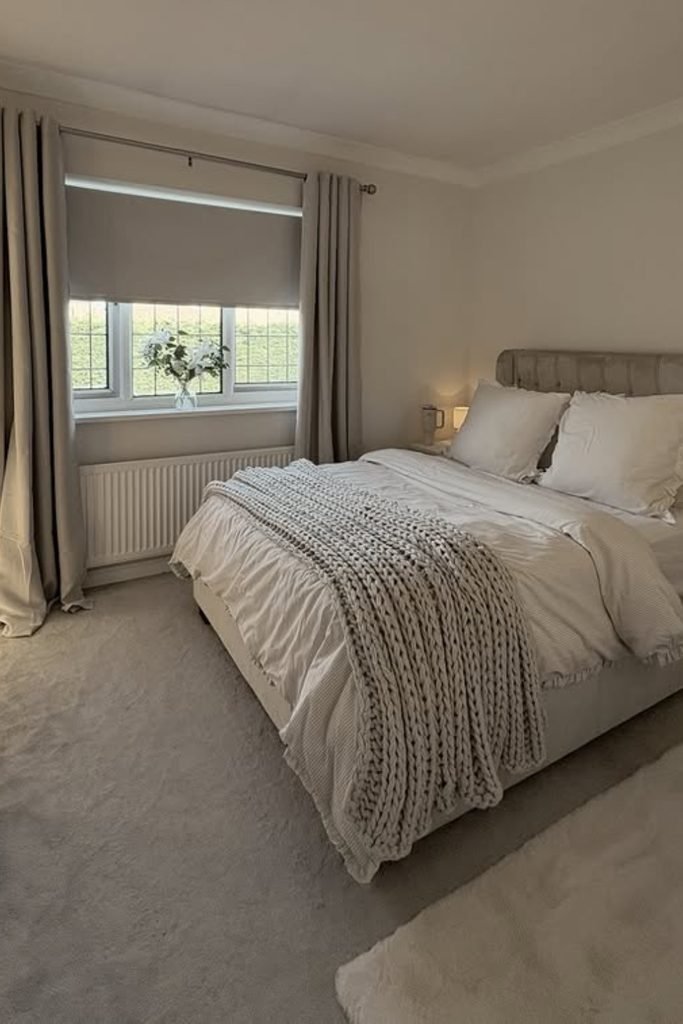
Things without a fixed place are usually left wherever they were last used, making the room look untidy even after cleaning.
Complicated organization systems can also fail because people are less likely to follow them consistently during busy everyday routines.
A few misplaced items each day can gradually turn into larger piles, making the bedroom feel cluttered much faster than expected.
Does a Cluttered Bedroom Actually Affect Your Sleep?
Visual clutter can make the bedroom feel less calm and may make it harder to fully relax when it is time to sleep.
Clothes, unfinished tasks, and scattered belongings can stay in view and keep reminding you of things that still need attention.
A more organized room can create a calmer setting and make your bedtime routine feel easier, cleaner, and more comfortable.
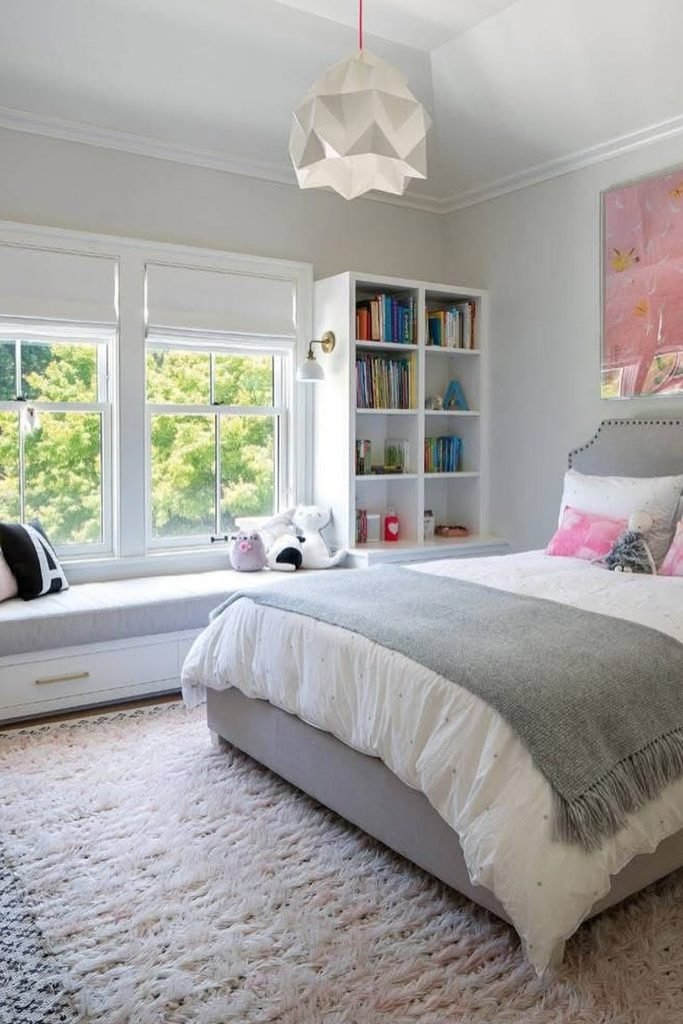
Bedroom organization is not a cure for sleep problems, but the surrounding environment can still influence how relaxed the space feels.
Simple habits like clearing the nightstand, containing laundry, and reducing visible clutter can make the bedroom feel more restful before bed.
How Should You Divide Your Bedroom Into Organization Areas?
Dividing the bedroom into clear organization areas makes it easier to decide where different belongings should live.
Each zone should handle one type of storage problem instead of forcing every item into the same system.
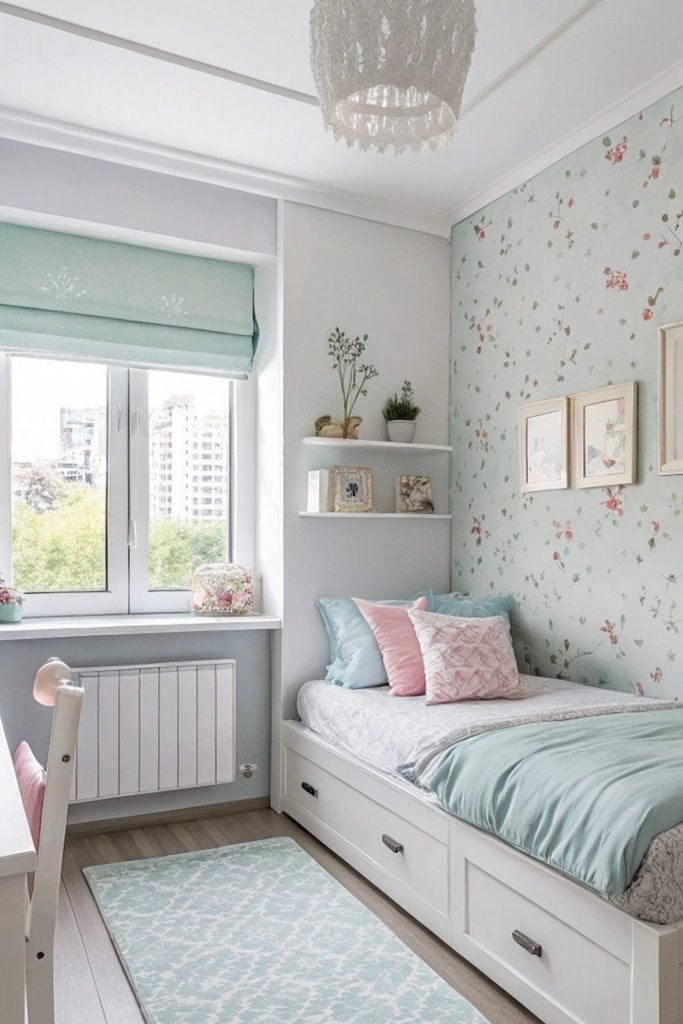
This approach also helps you spot which areas create the most clutter and need better storage solutions.
Keep each zone simple enough to maintain daily, so organization becomes part of your routine rather than another chore.
1. Closet Zone
Use the closet for clothing, shoes, bags, and accessories that need to stay protected and easy to reach.
Keep frequently worn pieces at eye level while seasonal or rarely used items can sit higher or farther back.
Add shelf dividers, bins, or hanging organizers only when they solve a specific storage problem inside the closet.
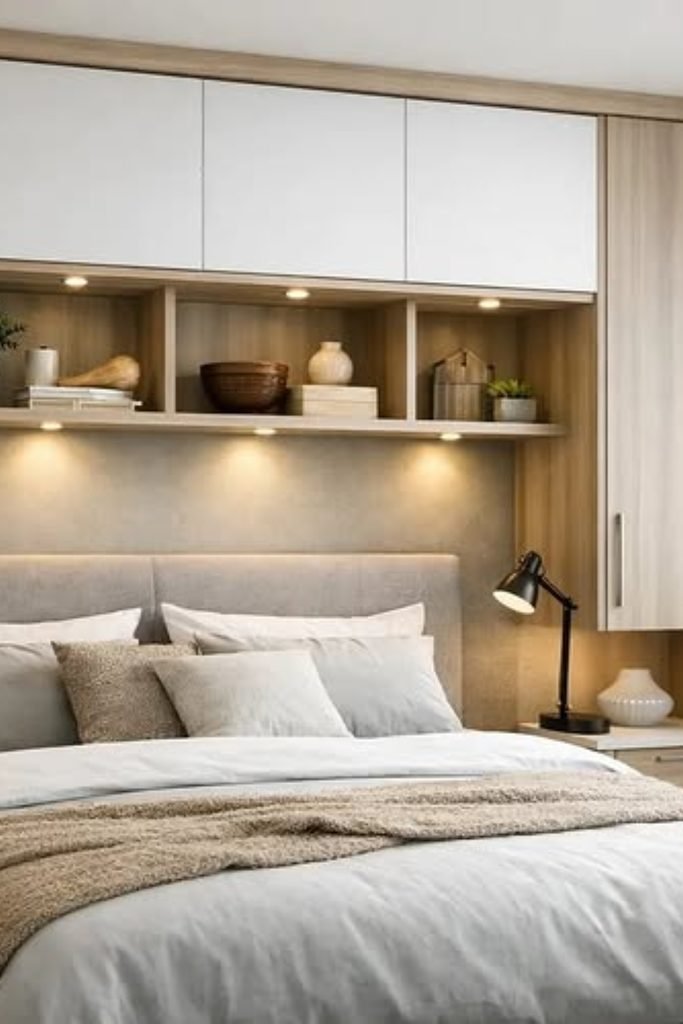
2. Under-Bed Zone
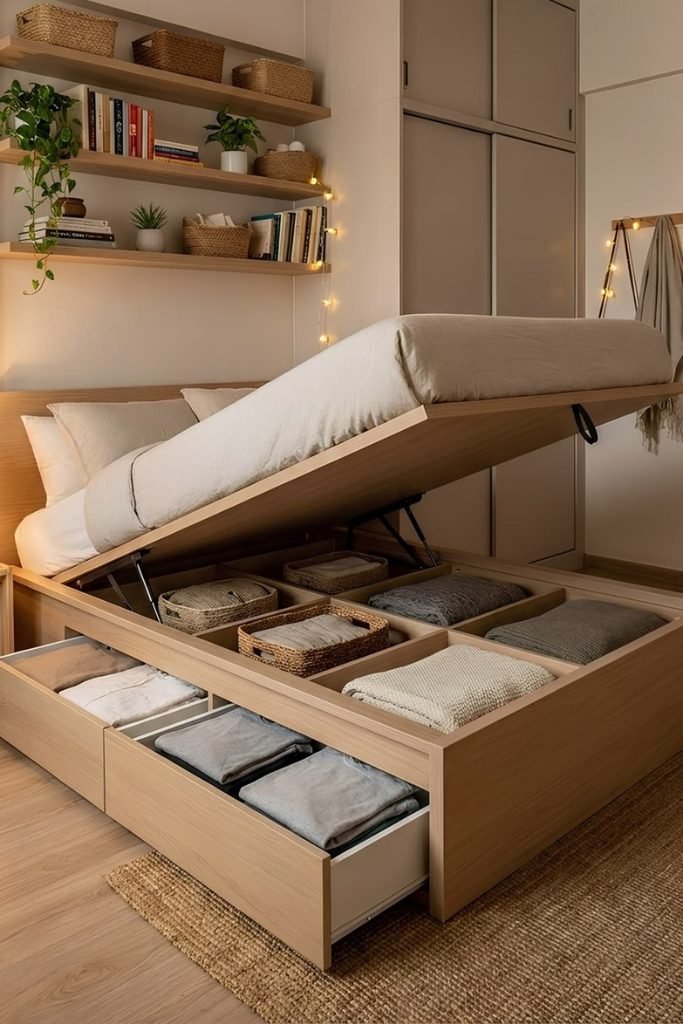
Reserve under-bed storage for seasonal clothes, spare bedding, shoes, or belongings you do not need every day.
Choose low containers that slide out easily instead of packing loose items underneath where they become difficult to find.
Label closed boxes so you can quickly locate what you need without pulling out every container first.
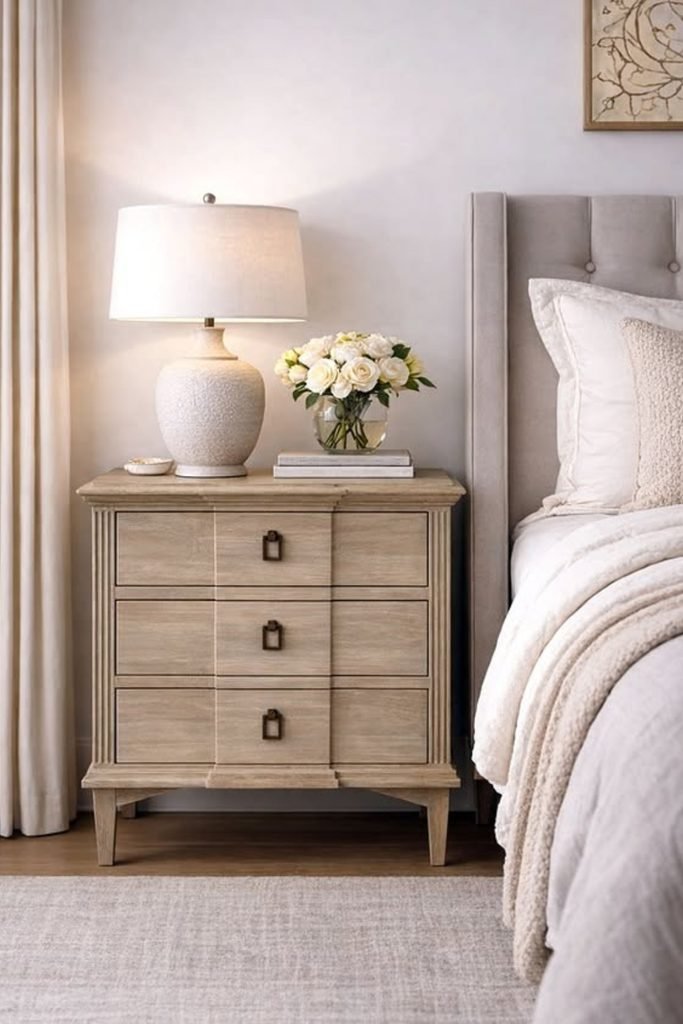
3. Surface Zone (Nightstand & Dresser Top)
Nightstands and dresser tops should hold only the few items you regularly need within easy reach.
Use a small tray or container for loose essentials such as jewelry, glasses, watches, or everyday personal items.
Keeping most of the surface visible prevents useful furniture from slowly turning into a permanent drop zone.
4. Drawer Zone
Give drawers clear purposes based on what you actually store and use rather than filling available space randomly.
Group smaller items with simple dividers so socks, underwear, accessories, or personal essentials do not mix together.
Leave enough breathing room inside each drawer so items remain visible and can be returned without rearranging everything.
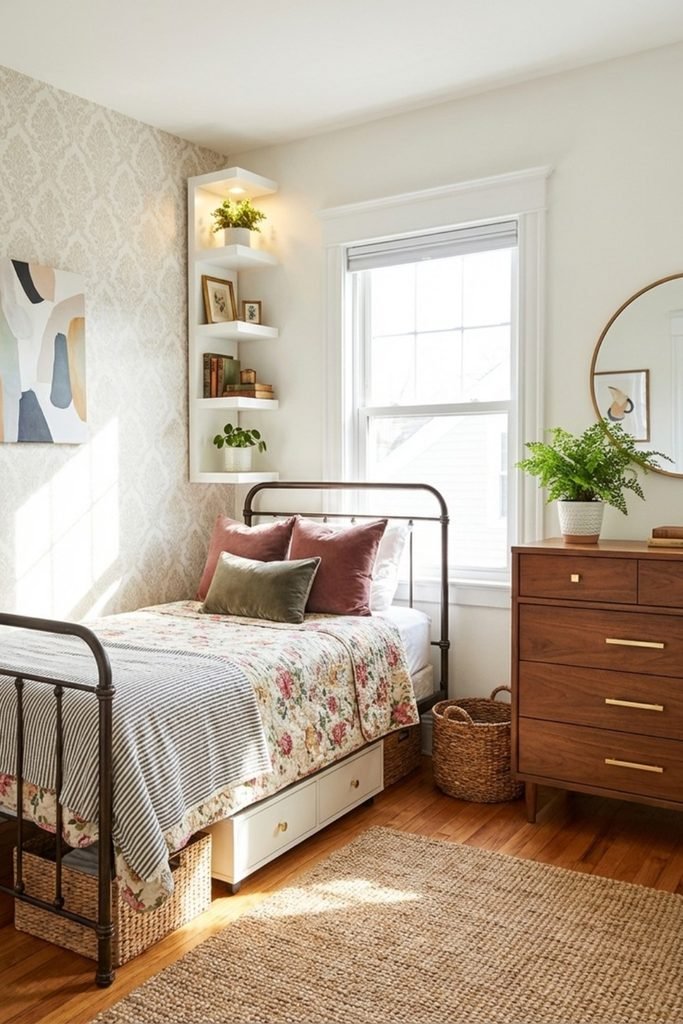
7 Bedroom Organization Hacks
Following are the 7 bedroom organization ideas for a calmer, clutter free space.
1. Edit Before You Organize
Start by removing things you no longer use, wear, need, or genuinely want to keep in the bedroom.
Organizing unnecessary belongings only moves clutter into prettier containers without solving the real storage problem.

Work through one small area at a time, such as a drawer, shelf, nightstand, or clothing category.
Keep items that belong in another room separate so they can be returned to their proper places afterward.
Once the excess is gone, you can see exactly how much storage you actually need for what remains.
2. Use Under-Bed Space Wisely
Treat the space beneath the bed as planned storage rather than somewhere to hide random belongings when cleaning quickly.
Use shallow bins, zippered bags, or rolling containers that fit comfortably without scraping against the bed frame.
Store items you need occasionally, such as extra bedding, seasonal clothing, travel bags, or less-used shoes.
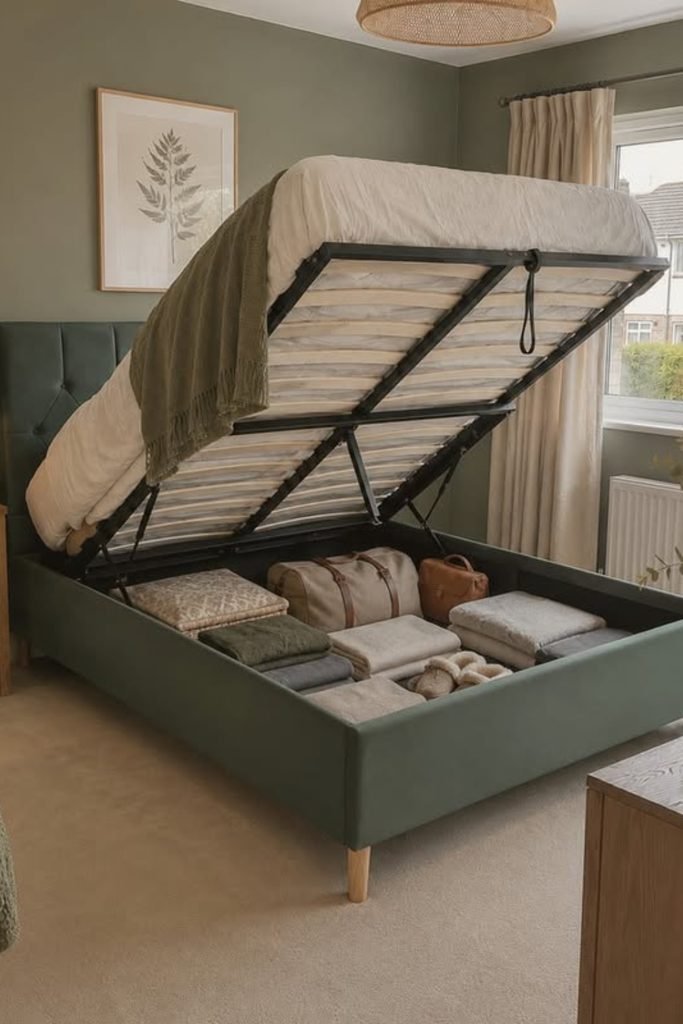
Avoid keeping everyday essentials underneath because constantly pulling containers out can make the system frustrating to maintain.
Keep similar items together and label containers so the hidden storage remains useful instead of becoming forgotten clutter.
3. Keep the Nightstand for Essentials Only
Limit the nightstand to items you realistically use before sleeping, during the night, or immediately after waking.
A lamp, phone, book, water glass, or glasses usually deserve space more than decorative objects you rarely notice.
Move skincare collections, paperwork, spare chargers, and miscellaneous belongings to drawers or other dedicated storage areas.
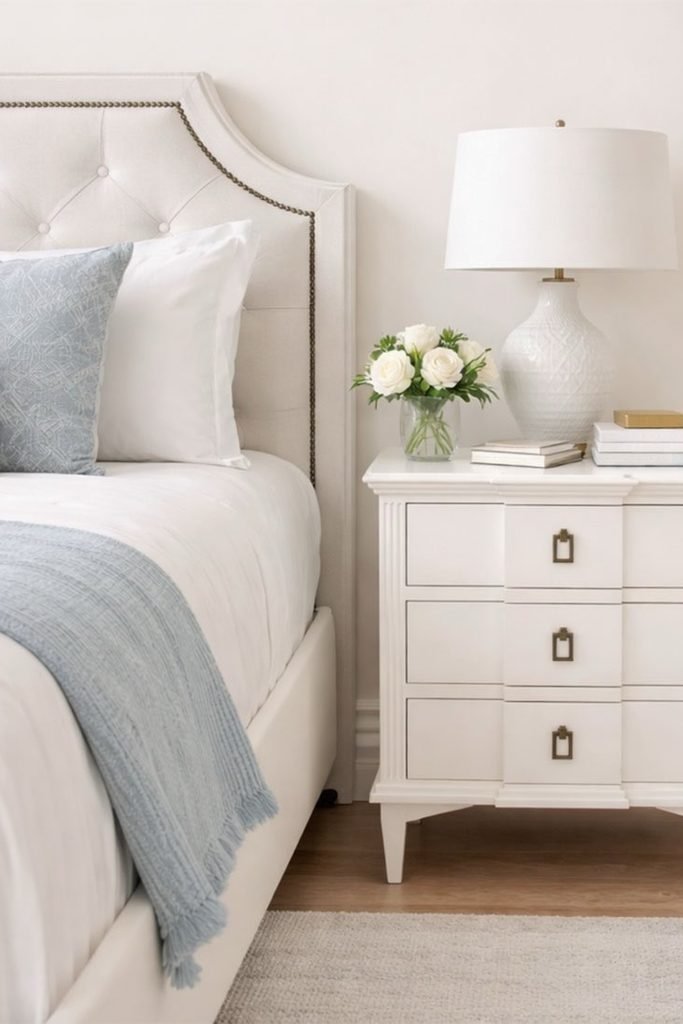
Use the nightstand drawer for smaller necessities that should stay nearby without covering the visible surface.
A less crowded bedside area makes cleaning easier and helps the bedroom feel calmer when you settle in.
4. Organize the Closet by Frequency
Place the clothes you wear most often where they are easiest to see, reach, remove, and return.
Occasional outfits, formalwear, seasonal pieces, and rarely used accessories can occupy higher shelves or less convenient sections.
This system reduces daily searching because your regular wardrobe stays within the most accessible part of the closet.
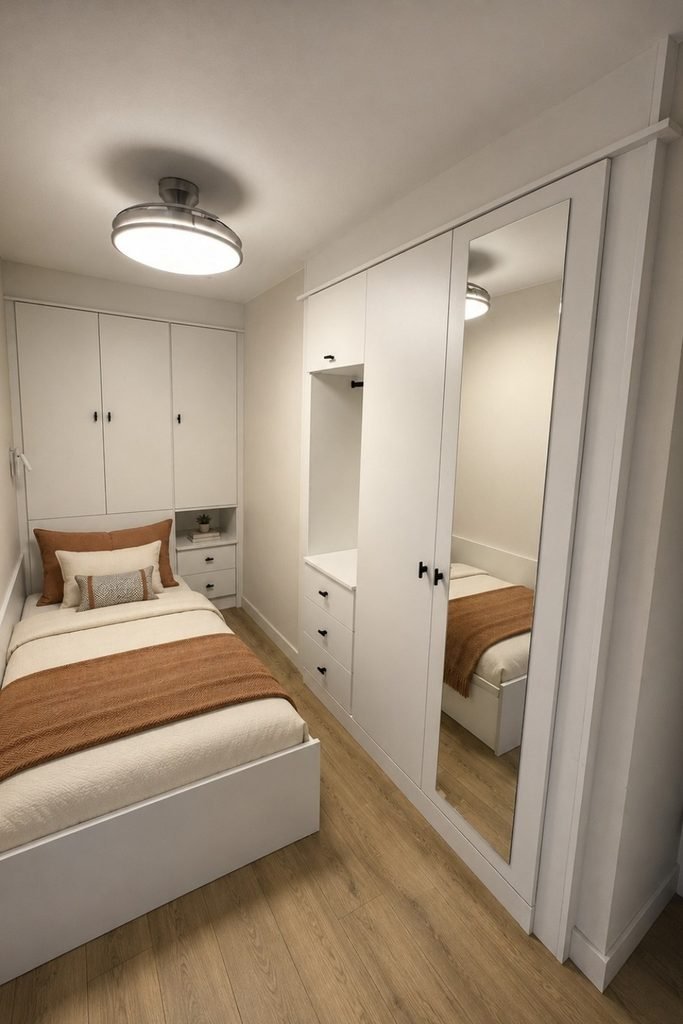
Keep frequently paired items near each other when that makes getting dressed faster, even if they belong to different categories.
Review the arrangement when seasons or routines change so the easiest storage spots always support your current habits.
5. Give Every Drawer One Job
Assign each drawer a clear purpose so you immediately know where an item belongs when putting things away.
One drawer might hold sleepwear, another underwear, while smaller drawers can handle accessories, skincare, or everyday personal essentials.
Avoid mixing unrelated items simply because there is empty space, since mixed drawers usually become harder to maintain.
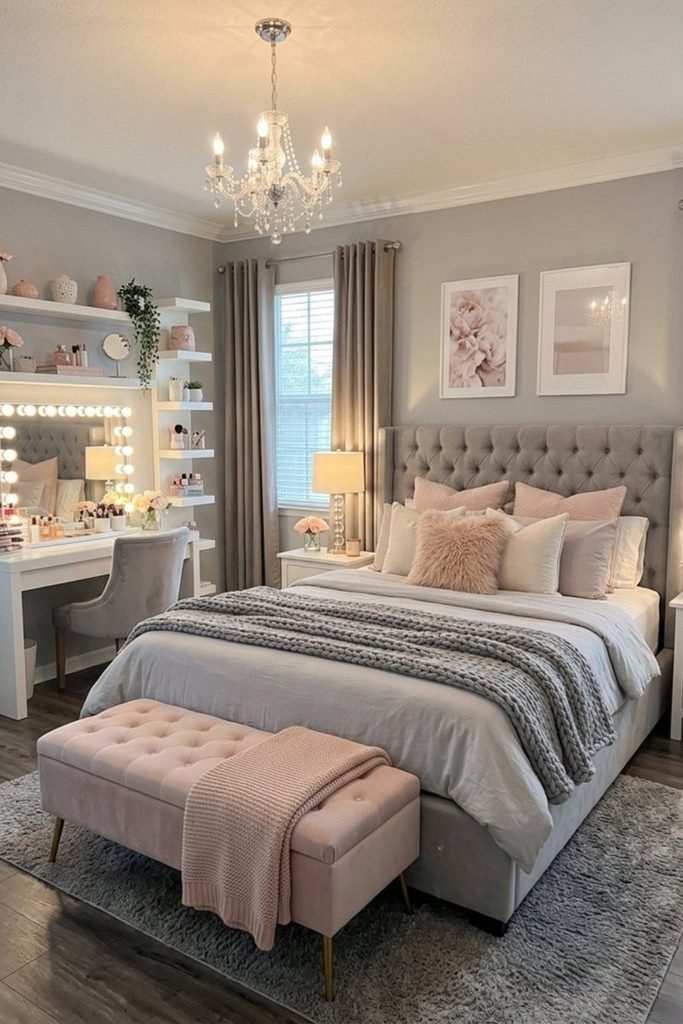
Use dividers only when smaller belongings slide together or become difficult to see once the drawer is opened.
When every drawer has one job, putting things away becomes faster and clutter has fewer places to start.
6. Corral Cords and Chargers
Keep charging cables together instead of allowing them to spread across the nightstand, floor, dresser, and nearby outlets.
Use cable clips, ties, or a small charging station to keep frequently used cords controlled and easy to identify.
Remove old, broken, duplicate, or device-specific chargers you no longer use so they do not occupy useful storage space.

Position chargers near the devices that actually use them instead of keeping every cable beside the bed automatically.
A simple cord setup reduces visual clutter and prevents cables from tangling around furniture or disappearing behind the nightstand.
7. Create a Calm Surface Rule
Choose which bedroom surfaces should stay mostly clear, such as the dresser top, nightstand, desk, or window ledge.
Allow only a small number of useful or intentionally decorative items to remain permanently on those surfaces.
Anything placed there temporarily should be returned to its proper home before the surface starts collecting more clutter.
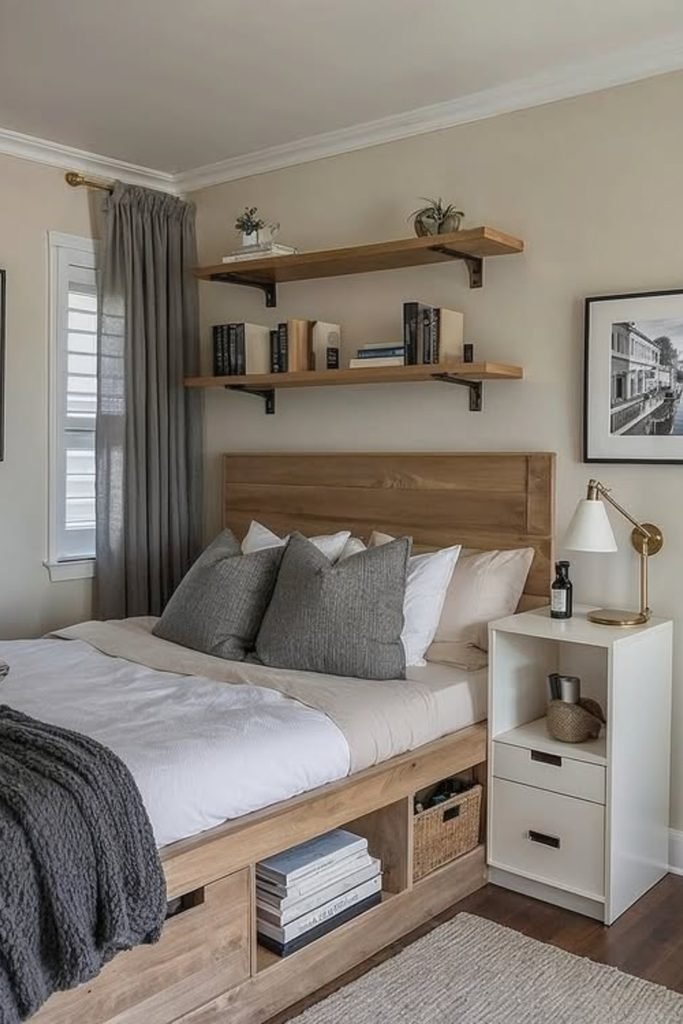
Trays can help contain small daily essentials without giving every loose object permission to stay on display.
Keeping a few surfaces consistently clear gives the whole bedroom a more organized appearance without hiding every personal item.
Small Bedroom Organization Hacks
You can use wall-mounted shelves above desks, dressers, or beds to create storage without taking up valuable floor space.
Then choose slim bedside tables, narrow dressers, or floating nightstands when standard furniture feels too large for the room.
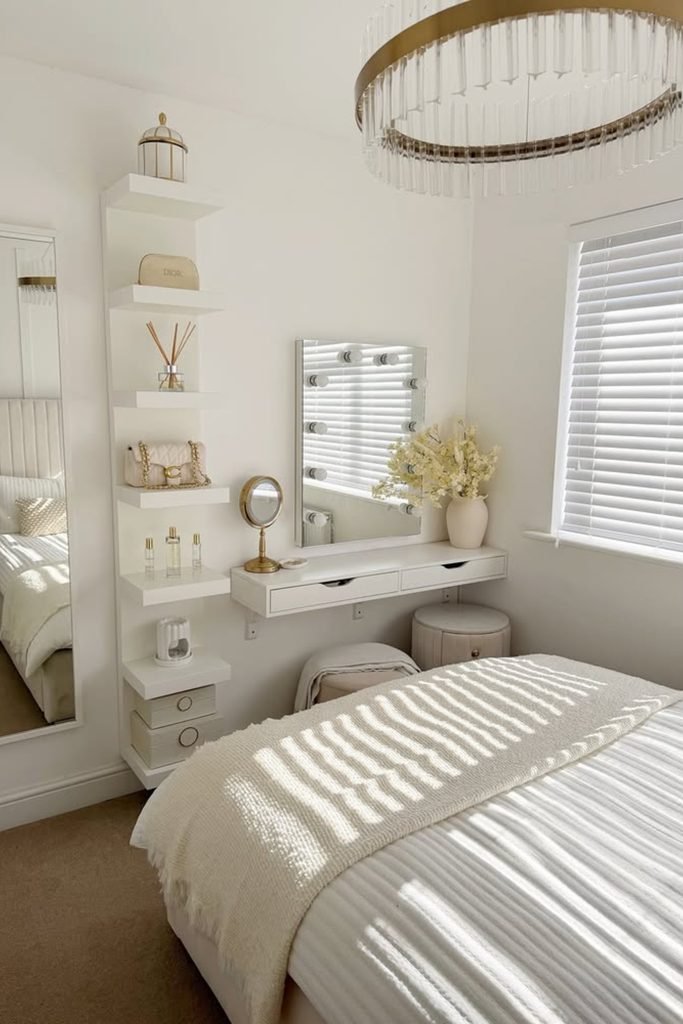
Store seasonal clothing, spare bedding, or shoes in labeled containers that fit neatly underneath the bed.
Add hooks behind doors or on unused walls for bags, jackets, hats, or frequently worn clothing.
Choose benches, beds, or ottomans with built-in storage when one piece of furniture can solve two needs.
Which Bedroom Storage Solution Fits Your Space and Budget?
| Storage Need | Solution | Best For |
| Extra clothing storage | Fabric bins or baskets | Small budgets and open shelves |
| Seasonal items | Under-bed containers | Bedrooms with limited closet space |
| Shoes and accessories | Hanging organizers | Small or crowded closets |
| Everyday essentials | Drawer dividers | Keeping small items separated |
| Books and decor | Wall-mounted shelves | Bedrooms with unused vertical space |
| Hidden storage | Storage ottoman or bench | Rooms needing multi-functional furniture |
| More hanging space | Double closet rod | Closets with unused lower space |
How Do You Organize a Shared Bedroom?
Start by giving each person clearly defined storage areas so belongings do not constantly mix together.
Separate drawers, closet sections, shelves, baskets, or bedside storage can make ownership clear and reduce daily confusion.
Keep shared items in one neutral area that both people can reach easily without entering each other’s personal storage.
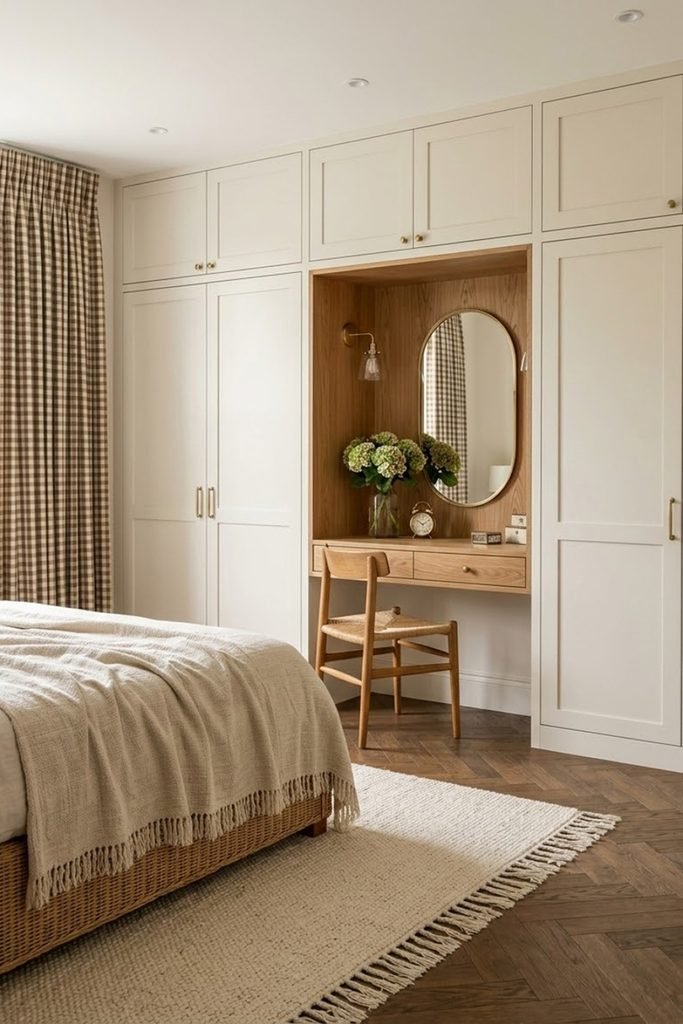
Use labels for children or similar-looking bins so toys, clothing, school items, and accessories return to the correct place.
Agree on simple rules for shared surfaces, laundry, and floor space so one person’s belongings do not slowly take over.
Choose organization systems that match both people’s habits rather than expecting one person to maintain the entire room.
Morning Bedroom Reset
Make the bed first so the room immediately feels more organized and gives you a clean visual starting point.
Put dirty clothes in the hamper and return clean clothing to drawers, hangers, or its assigned storage place.
Clear the nightstand and dresser of cups, books, chargers, or other items that do not need to stay there.

Return anything left on the floor, chair, or bed to its proper place before you leave the room.
Finish with a quick surface check so small messes do not build into larger clutter by the end of the day.
Conclusion
Bedroom organization works best when every item has a practical place that fits how you actually use the room each day.
You can start with clutter-prone areas first, then build simple storage systems around your available space, habits, & belongings.
You can avoid adding organizers just to create more storage, because removing unnecessary items often solves the bigger problem first.
A calmer bedroom comes from maintaining a few useful systems consistently rather than trying to keep everything perfectly arranged.
FAQs
What Is the Easiest Way to Start Organizing a Bedroom?
Start with one small area, such as the nightstand, one drawer, or a section of the closet, instead of tackling everything at once.
Remove anything you no longer need, return misplaced items, and give the remaining belongings a clear home. Once that area works well, move to the next cluttered spot.
How Do You Organize a Small Bedroom With No Closet?
Use a freestanding clothing rack, compact wardrobe, dresser, wall hooks, and under-bed storage to replace traditional closet space.
Keep everyday clothing easy to reach while storing seasonal pieces in less accessible areas.
Vertical shelves and multi-functional furniture can also add storage without using too much floor space.