Fridge clutter is not just messy; it can also place food in the wrong temperature zones and make it spoil faster.
Smart fridge organization should focus on both temperature control and visibility, not just making shelves look neat and organized.
In this article, I will help you create a zone-based system that keeps food fresher, easier to see, and less likely to waste.
Let’s jump in!
Why Food Spoils Even in an Organized Fridge?
A fridge can look perfectly neat while food is still stored in places that shorten its freshness.
Different shelves and compartments maintain different temperatures, so placement matters just as much as organization.
Putting temperature-sensitive foods on warmer shelves or in the door can make them spoil much faster.
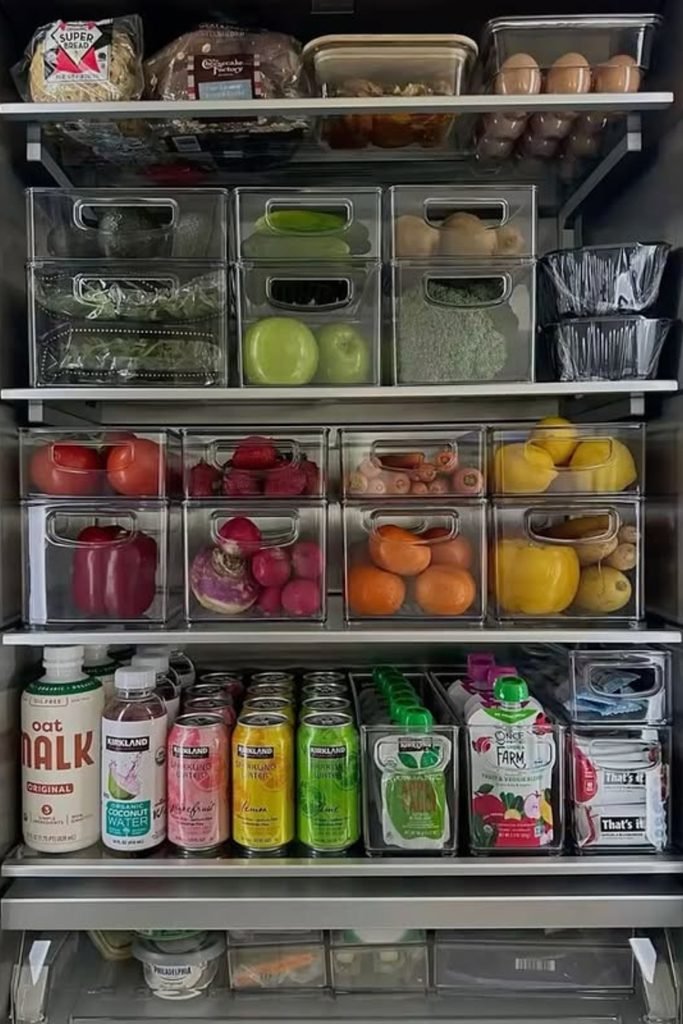
Pretty bins and tidy rows cannot protect food if you ignore how cold each fridge zone actually stays.
The better approach is to organize by temperature needs first, then make each zone neat and easy to use.
The Food Waste Issue
The food waste often happens because items disappear from your visual radar long before they actually go bad.
Once leftovers, produce, or opened packages get pushed behind other foods, your brain simply stops noticing them.
The same thing happens when smaller items sink to the bottom of crowded drawers or get hidden inside deep containers.
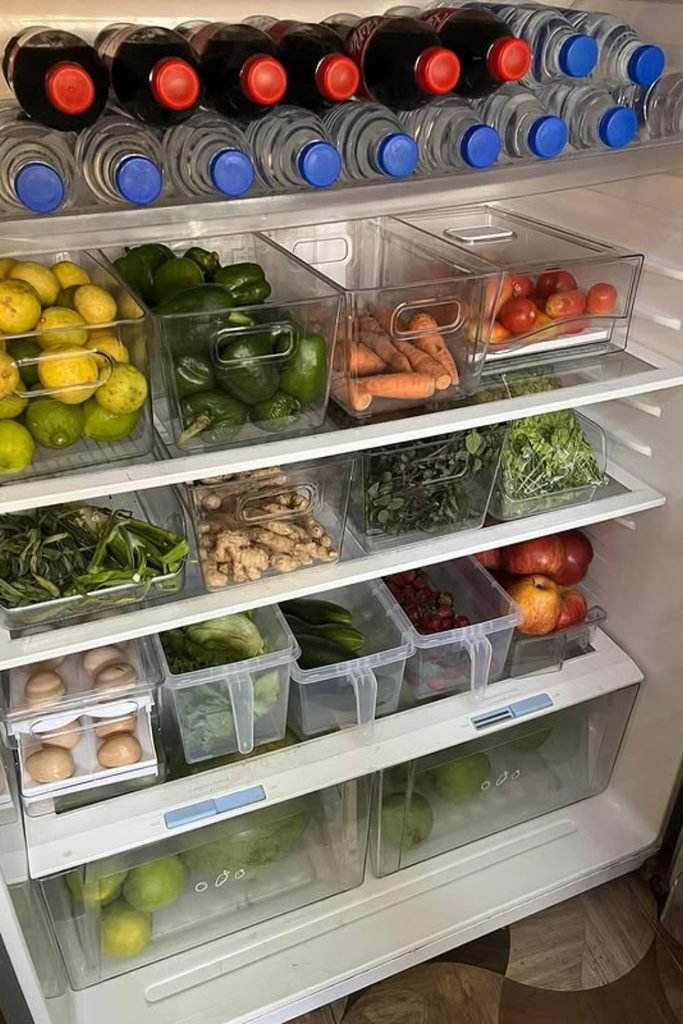
This creates a kind of spoilage blindness where visible foods get used while hidden foods quietly sit until they expire.
The problem is not always lack of storage space; it is a gap between how you store food and how you naturally notice it.
Organizing around visibility keeps older and perishable foods in sight, making you far more likely to use them before they spoil.
Temperature Zones to Decide What Goes Where
Every part of your fridge does not stay at exactly the same temperature.
Some areas remain consistently cold, while others warm slightly whenever the door opens.
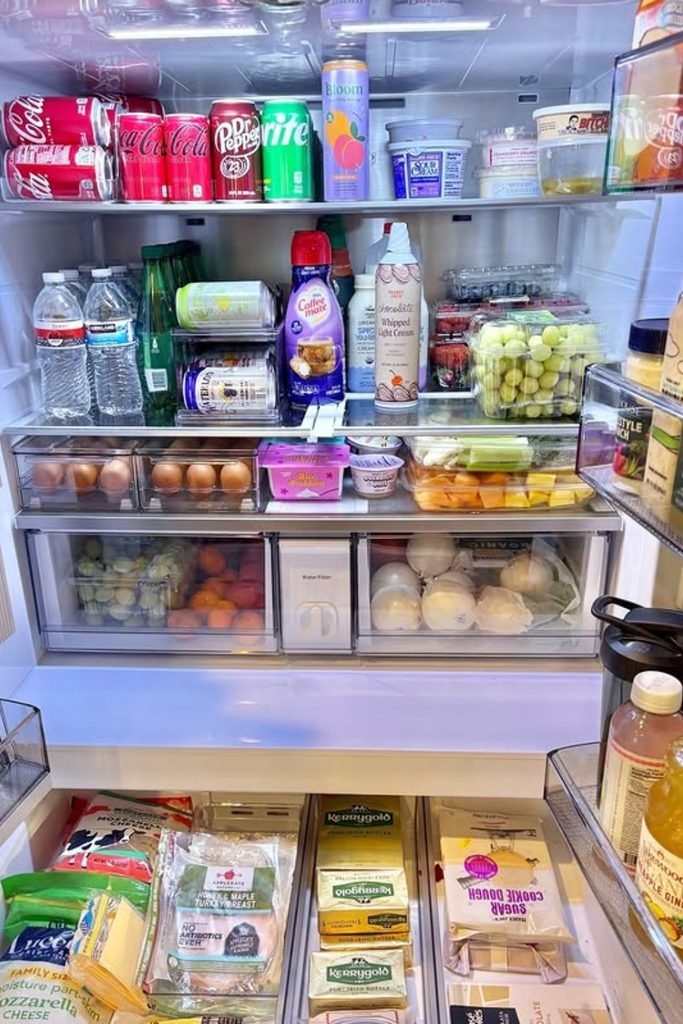
That means food placement should follow temperature needs instead of being random.
You can use each zone correctly helps food stay fresh longer while also reducing unnecessary spoilage.
1. Top Shelves
Top shelves work best for foods that are already cooked or ready to eat.
Keep drinks, prepared foods, and leftovers here, especially anything you plan to consume soon.
Because this area is slightly warmer, avoid using it for highly temperature-sensitive raw ingredients.
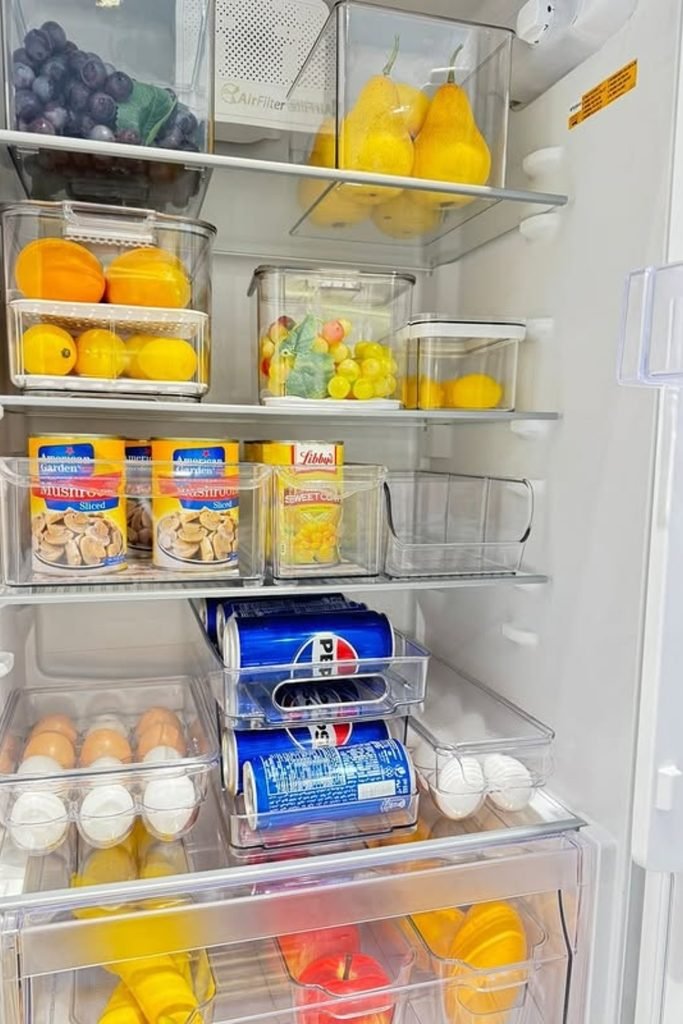
2. Middle Shelves
Middle shelves usually provide a more stable temperature than the top shelf or refrigerator door.
Use this space for dairy products, eggs, and other foods that benefit from consistent cooling.
Giving these everyday items a fixed middle-shelf spot also makes them easier to find and use.
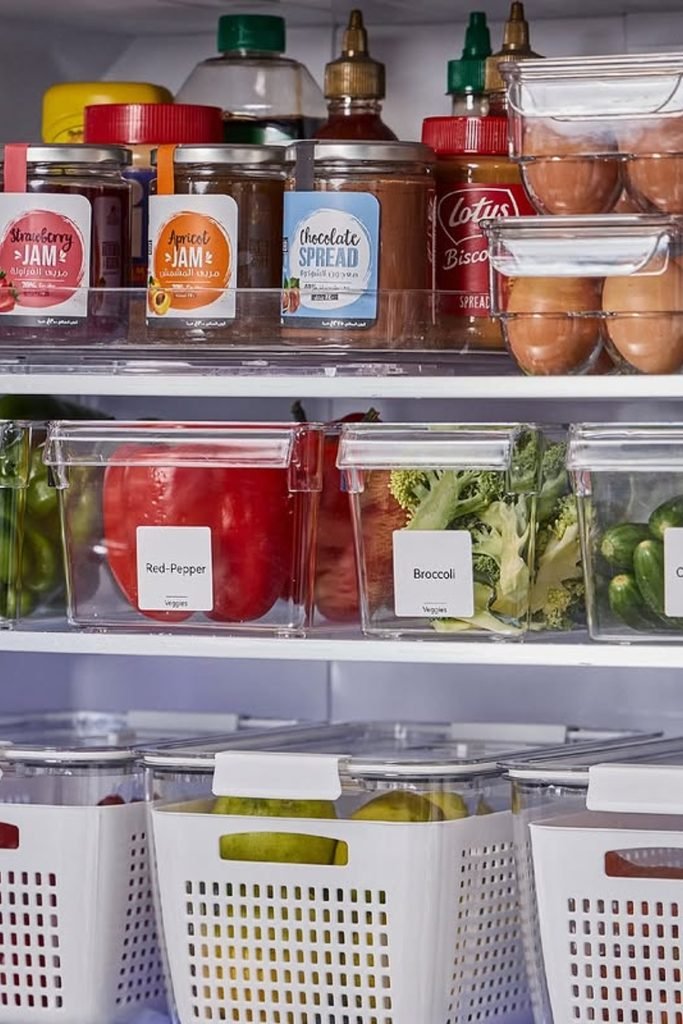
3. Bottom Shelf
The bottom shelf is generally the coldest area, making it a practical place for raw meat and fish.
Keeping raw proteins low also prevents juices from dripping onto ready-to-eat foods stored above them.
Use sealed containers or trays here to reduce both cross-contamination risks and premature spoilage.
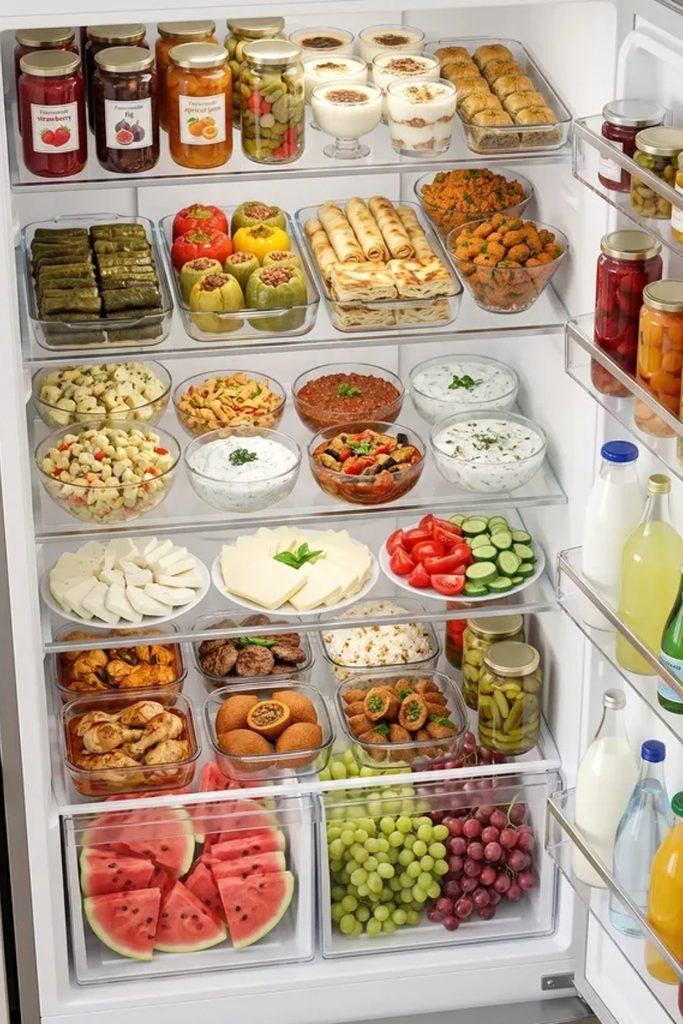
4. Door Storage
The refrigerator door experiences the biggest temperature changes because warm air enters every time you open it.
Reserve this space for condiments, sauces, and other items that can tolerate mild temperature fluctuations.
Avoid storing highly perishable foods here simply because the door shelves are convenient and easy to reach.
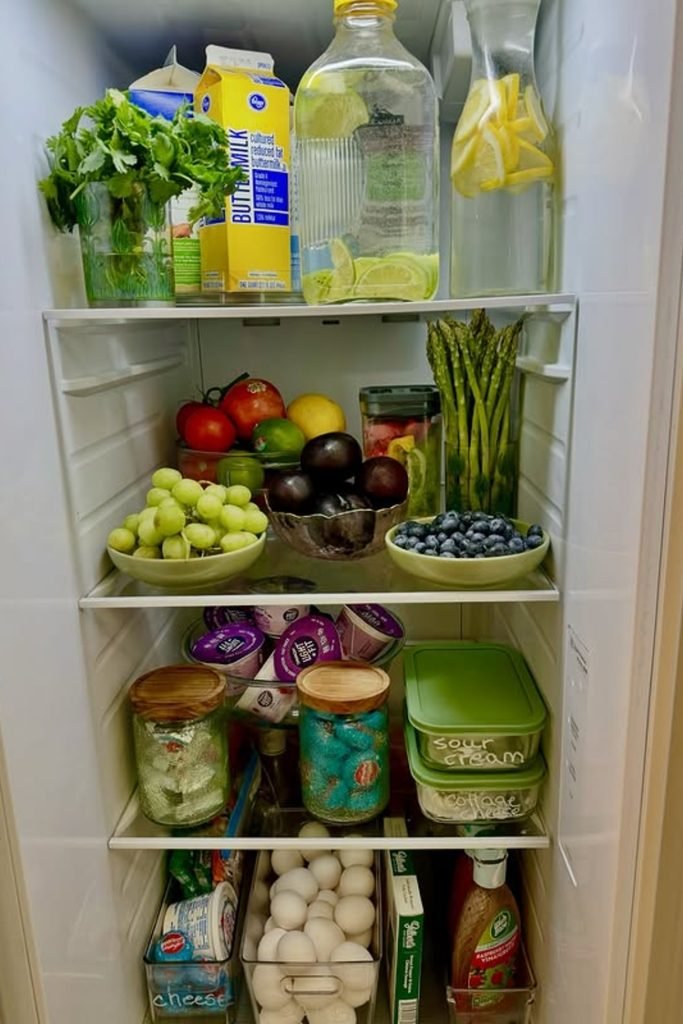
Organizing by Eat-First Visibility
Traditional fridge organization groups dairy, vegetables, leftovers, and drinks into separate categories.
That looks orderly, but it does not tell you which foods need to be eaten first.
An urgency-based system keeps foods approaching spoilage visible while still giving everyday and backup items clear places.
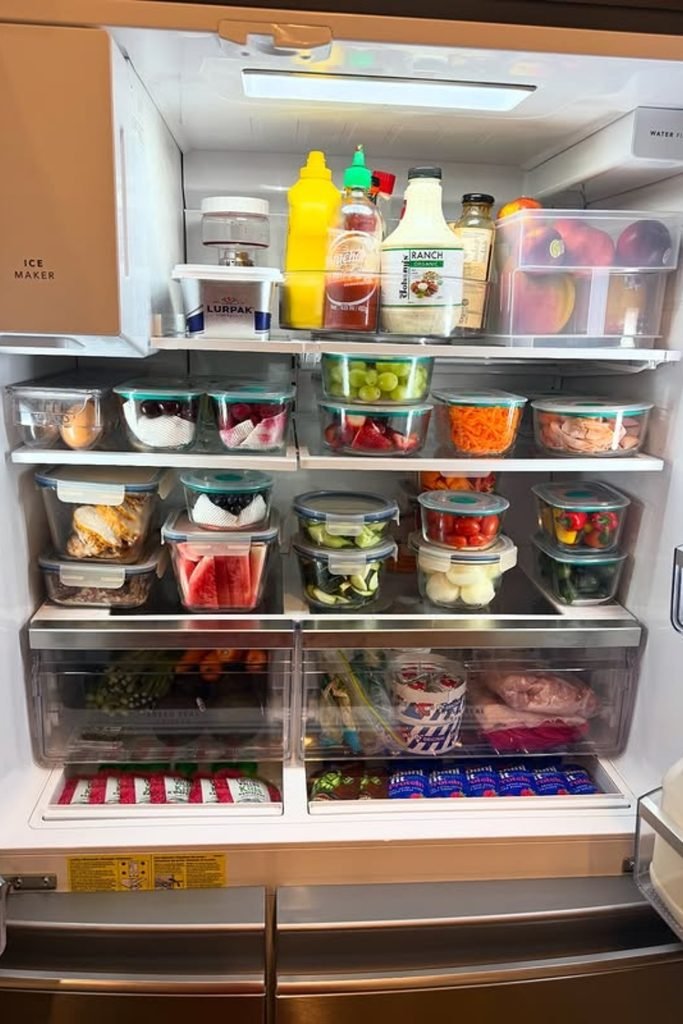
1. Eat-Me-First Bin
Create one dedicated bin for leftovers, opened packages, produce, or anything approaching its use-by date.
Keep this bin at eye level so these foods become the first things you notice when opening the fridge.
Check it before preparing meals or snacks so older food gets used instead of disappearing behind fresher items.
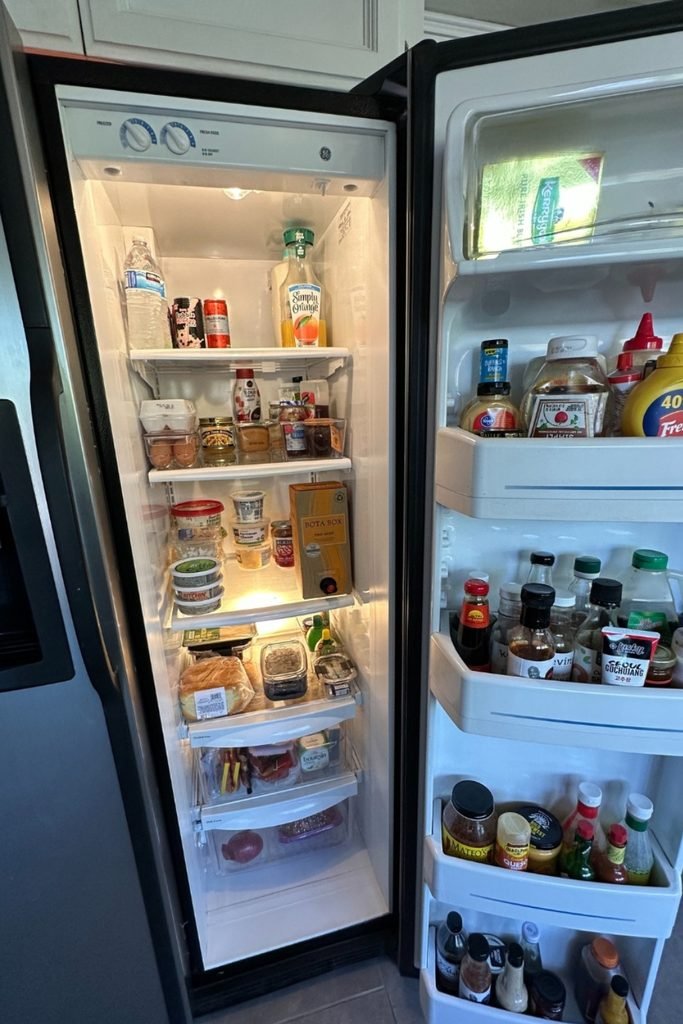
2. Everyday Staples Zone
Give frequently used foods such as milk, butter, and eggs one permanent and easy-to-reach location.
A fixed zone prevents these staples from being moved around and accidentally hiding foods that need attention sooner.
You also spend less time searching because everyone knows exactly where commonly used items belong.
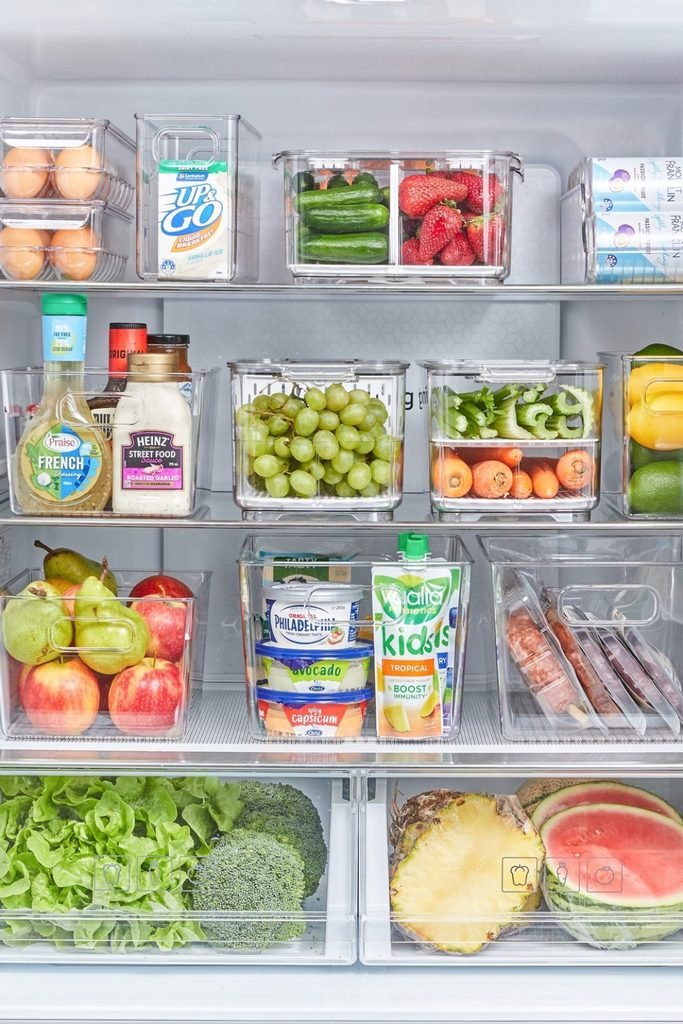
3. Backstock and Bulk Items
Extra packages and backup groceries do not need prime eye-level space because they are not meant for immediate use.
Store them toward the back or lower areas so urgent foods remain visible and accessible in front.
Label backup items clearly so you remember what you already have before opening duplicates or buying more.
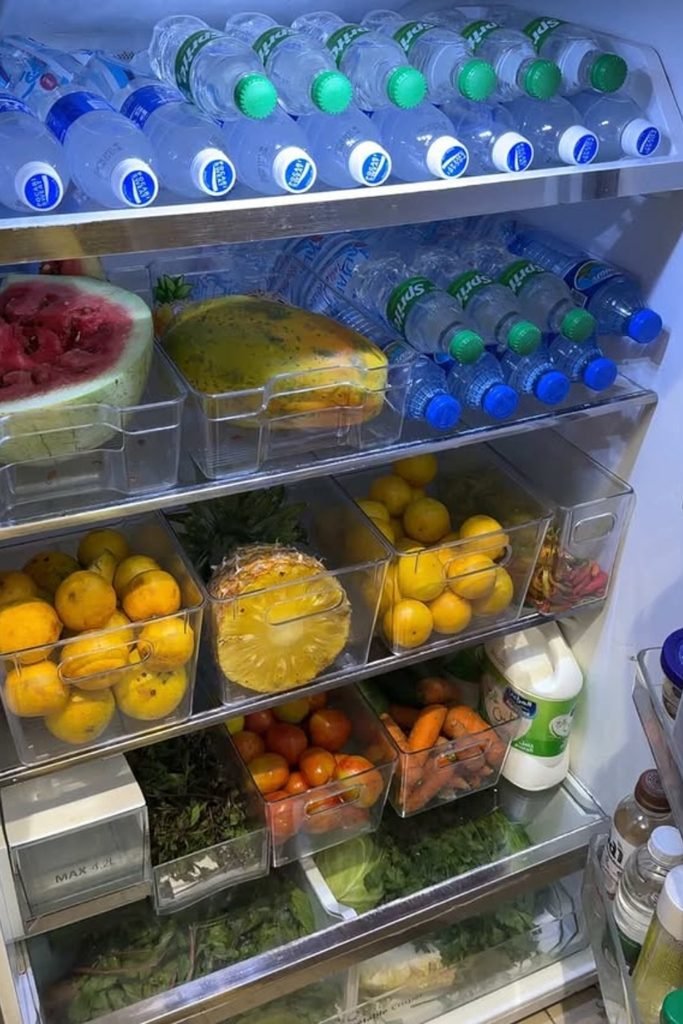
Set Up a Rotation System
A simple first-in, first-out system can stop older food from disappearing behind newer groceries.
Whenever you restock the fridge, place new items behind similar products that are already open or closer to expiring.
Keep older leftovers, produce, and dairy toward the front so they naturally get noticed and used first.
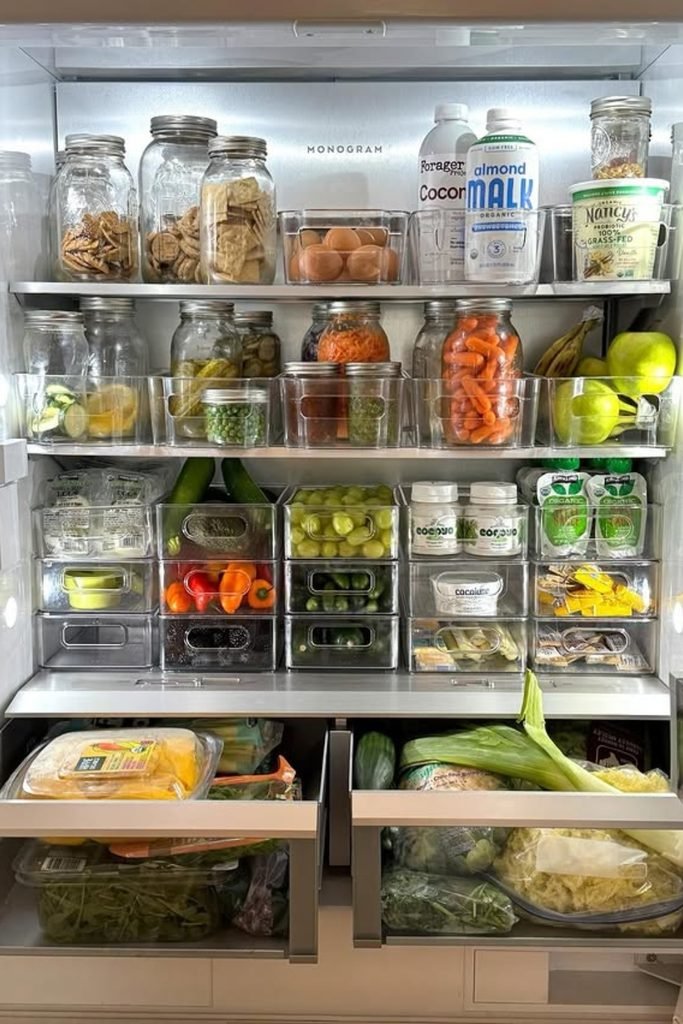
This small rotation habit prevents duplicate purchases while reducing the chance of forgotten food quietly spoiling in the back.
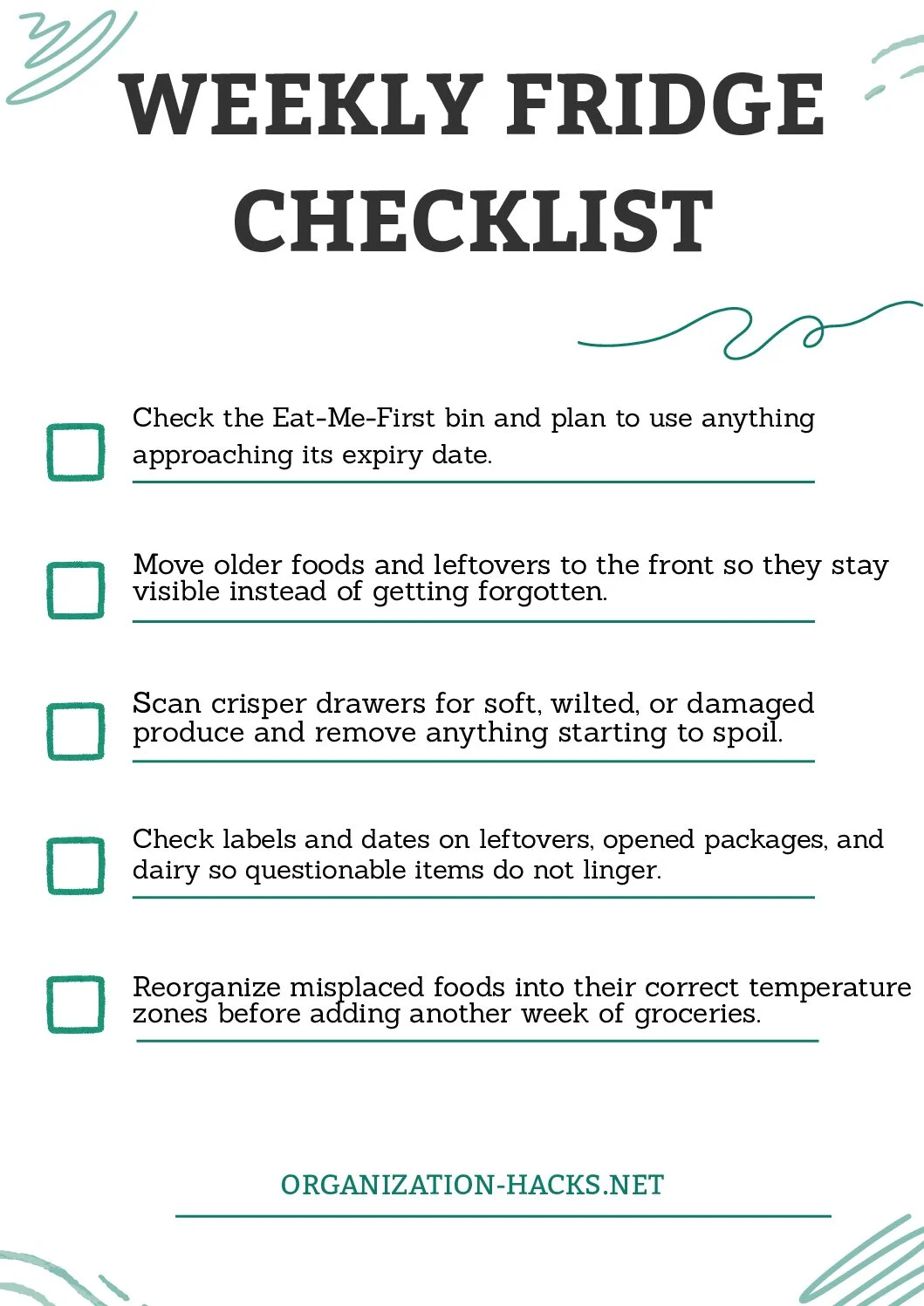
Once a week, do a quick fridge scan to move older foods forward and identify anything that needs using soon.
Which Fresh Produce Should Be Refrigerated vs Left Out?
Not every fruit or vegetable lasts best in the refrigerator, so automatically chilling everything can sometimes hurt flavor, texture, or ripening.
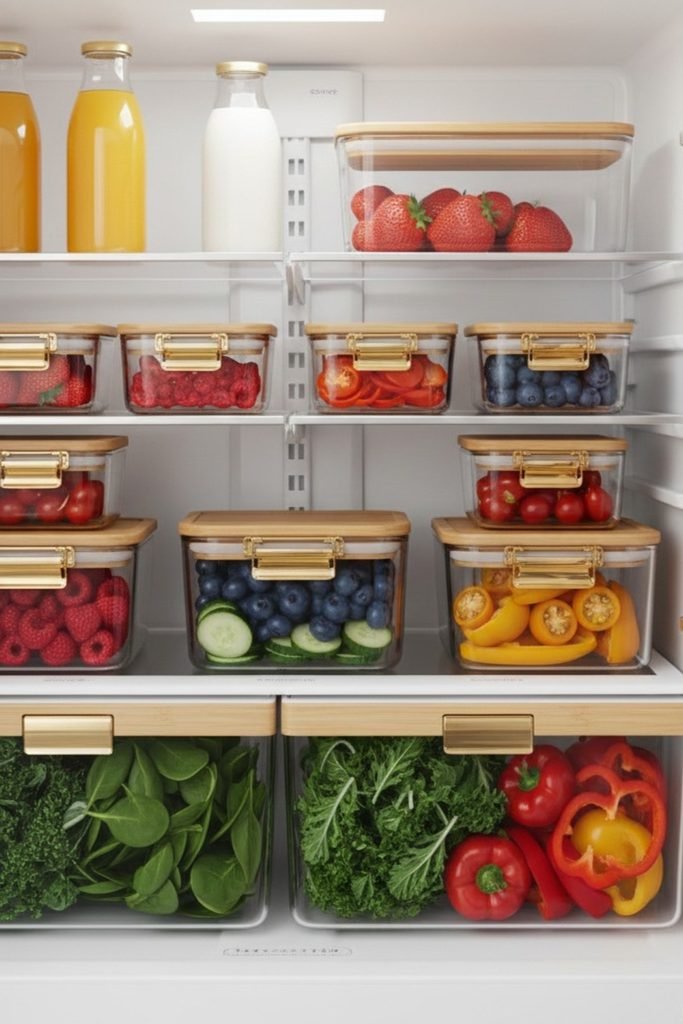
Knowing which produce needs cold storage and which belongs on the counter helps you preserve quality while reducing unnecessary waste.
| Produce Type | Fridge or Counter | Why |
| Tomatoes | Counter | Cold temperatures can affect texture and flavor; refrigerate ripe tomatoes only when you need to slow spoilage. |
| Leafy Greens | Fridge Crisper | Cool temperatures and controlled moisture help keep leaves crisp and slow wilting. |
| Berries | Fridge | Cold storage slows mold growth and helps delicate berries last longer. |
| Apples | Fridge | Refrigeration slows ripening and keeps apples crisp for much longer. |
| Bananas | Counter | Room temperature allows proper ripening; refrigeration can darken the peel. |
| Potatoes | Cool, Dark Pantry | Refrigerator temperatures can change their starches and affect cooking quality. |
| Onions | Cool, Dry Pantry | Dry airflow helps prevent moisture buildup, softness, and mold. |
| Carrots | Fridge Crisper | Cold, humid storage helps prevent carrots from becoming limp and dry. |
| Avocados | Counter, Then Fridge | Let firm avocados ripen outside, then refrigerate ripe ones to slow further softening. |
| Cucumbers | Fridge | Refrigeration helps slow moisture loss and spoilage once they are brought home. |
Manage Crisper Drawers
Crisper drawers can extend produce life, but only when you use their humidity settings correctly.
Mixing fruits and vegetables randomly can trap too much moisture or expose sensitive produce to ripening gases.
Separating produce by humidity needs helps prevent wilting, premature ripening, and hidden rot at the bottom.
1. High-Humidity Drawer
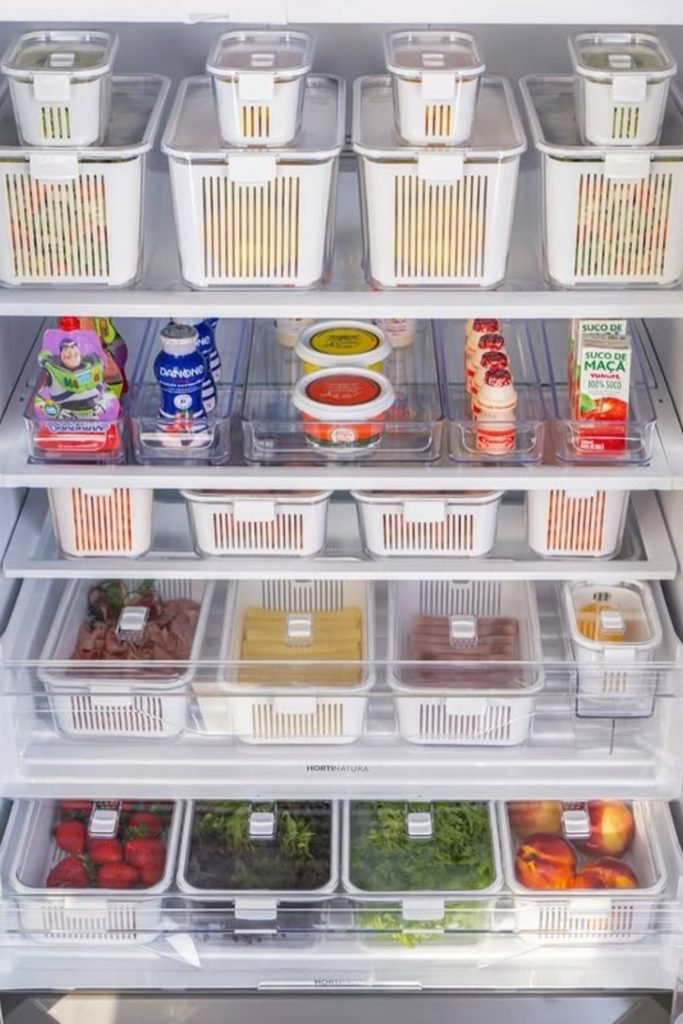
You can use the high-humidity setting for leafy greens, herbs, and vegetables that lose moisture quickly.
The closed vent holds moisture inside the drawer, helping delicate produce stay crisp instead of drying and wilting.
Check the drawer regularly and remove damaged leaves before excess moisture gives mold or rot a chance to spread.
2. Low-Humidity Drawer
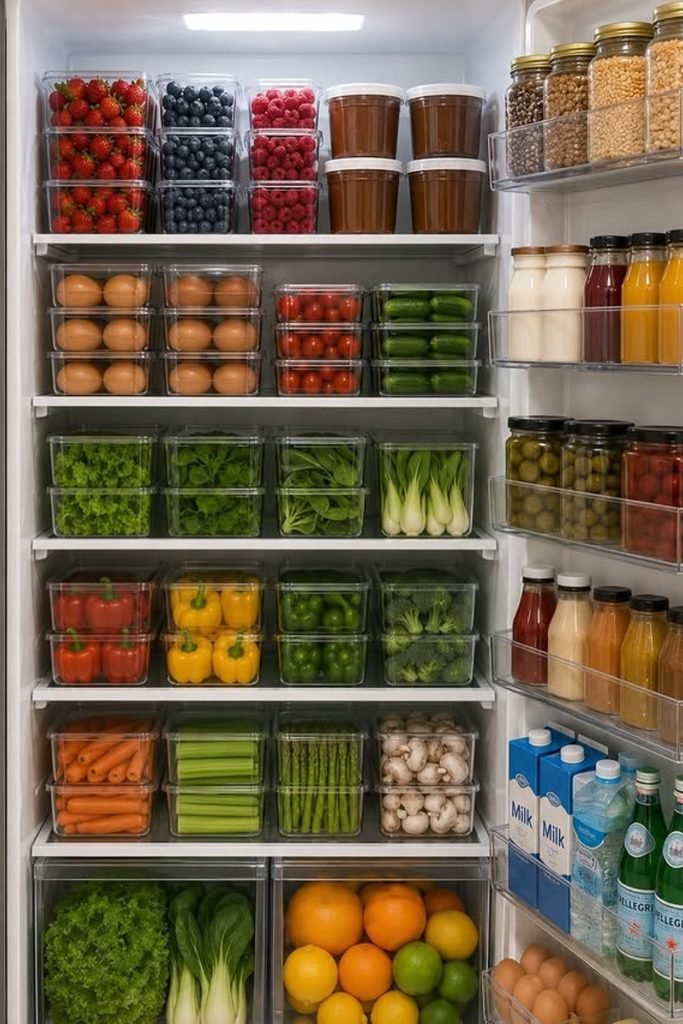
Use the low-humidity drawer for many fruits that release ethylene gas as they ripen.
The open vent allows this gas to escape instead of building up and speeding the ripening of nearby produce.
Keeping ethylene-producing fruits separate also protects sensitive vegetables from becoming soft, yellow, or spoiled too quickly.
Keep Leftovers From Becoming a Fridge Mystery
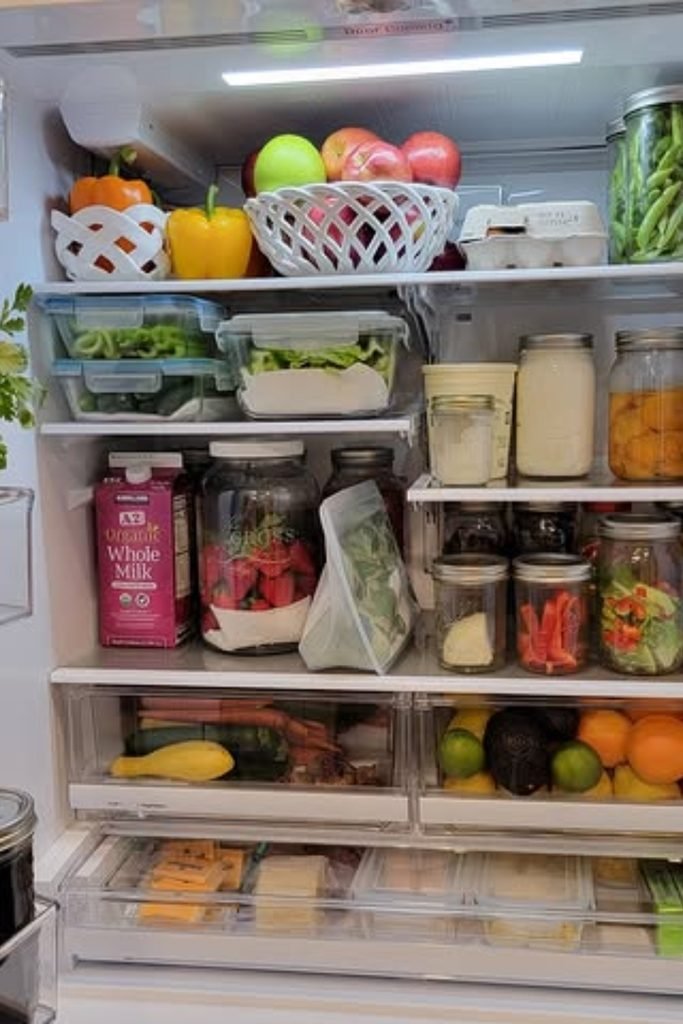
Leftovers become waste when you cannot remember what is inside a container or how long it has been there.
Clear identification and visible placement remove the guesswork that often causes perfectly usable food to be ignored.
A simple labeling and front-row system makes leftovers easier to notice, track, and use before they spoil.
1. The Label-and-Date Rule
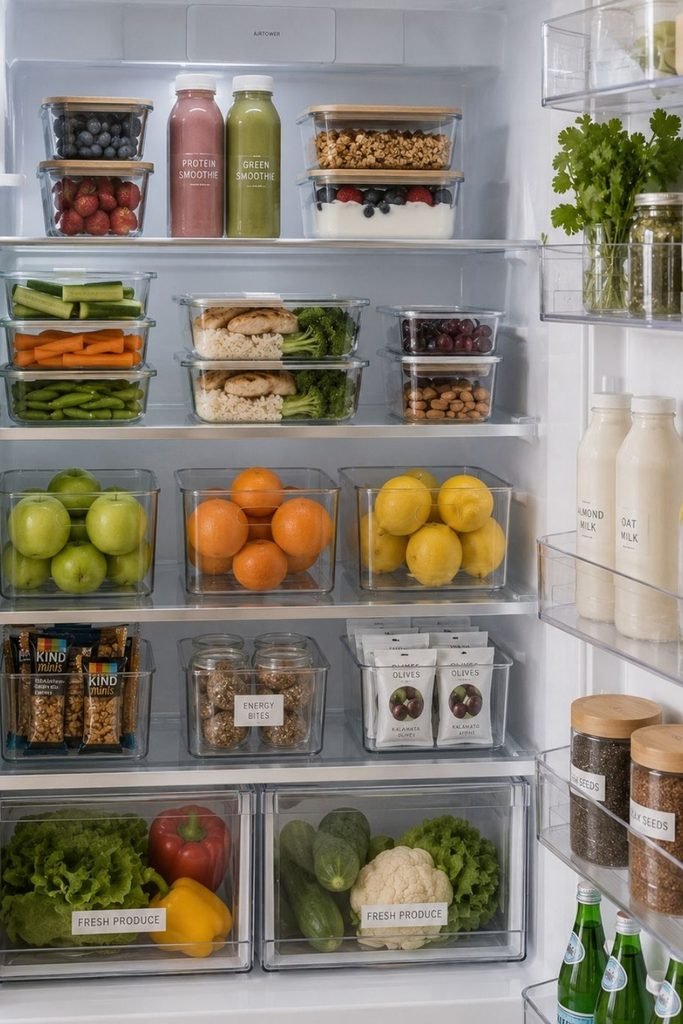
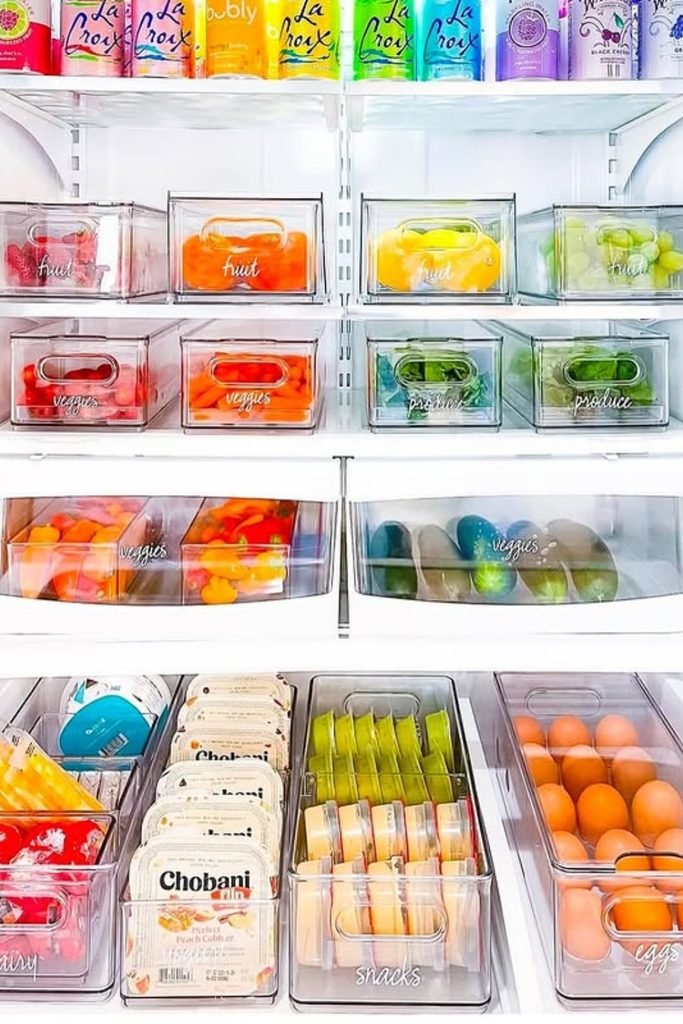
Write the food name and storage date on every leftover container before placing it back in the fridge.
This removes the usual “what is this?” guessing game and makes older meals much easier to identify.
Use removable labels or washable markers so dating leftovers becomes a quick habit rather than an extra chore.
2. The Front-Row Leftover Rule
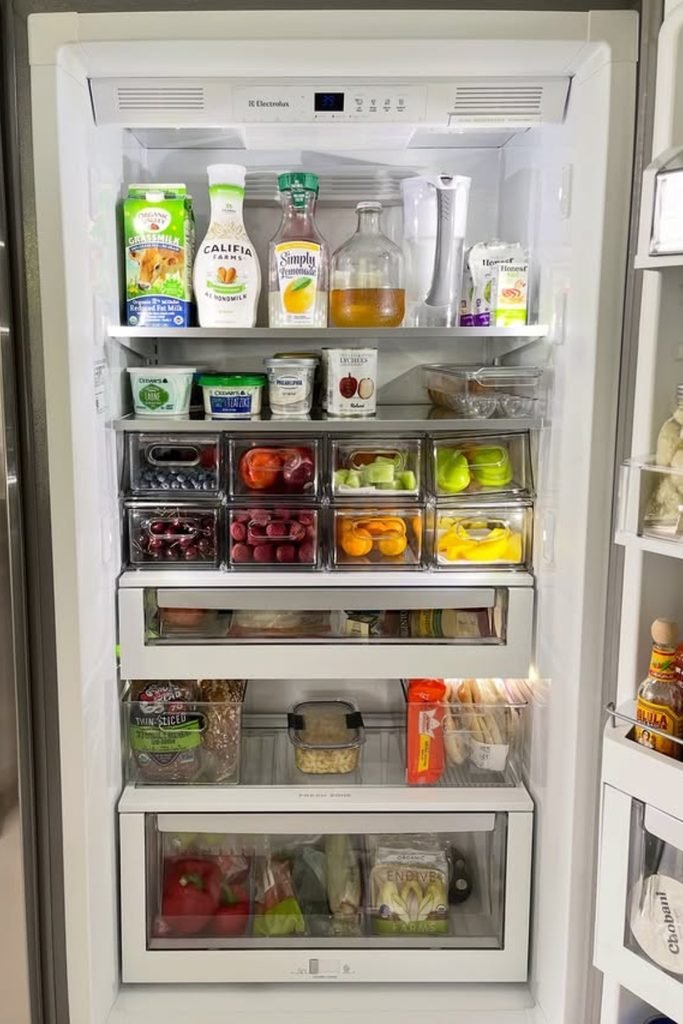
Keep leftover containers in the front row where they are immediately visible whenever you open the fridge.
Avoid stacking them behind drinks, produce, or newer groceries where they can easily disappear from your attention.
When new leftovers arrive, rotate older containers forward so the meals needing attention always get seen first.
Overflow During Grocery Hauls or Holidays
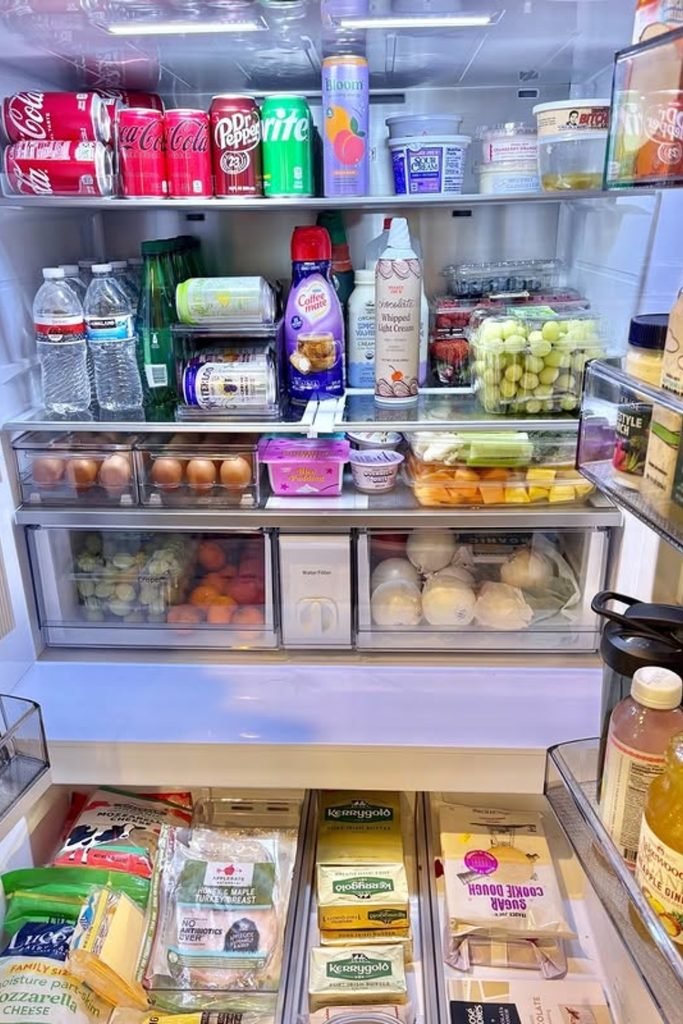
Big grocery trips and holiday meals can temporarily overwhelm even a well-organized fridge, so avoid forcing everything onto crowded shelves.
Use insulated cooler bags with ice packs for short-term overflow when safe refrigerator space becomes limited.
A spare refrigerator or freezer can hold backup drinks, frozen foods, or less frequently needed ingredients during busy periods.
Keep highly perishable foods in properly chilled storage rather than leaving them out simply to create extra fridge space.
Once the rush is over, move items back into their normal zones and restore your usual rotation and visibility system.
The Grocery Restock System
Fridge overload often starts before groceries even come home, especially when you buy items you already have.
A quick pre-shopping check helps you use older food first and avoid filling shelves with unnecessary duplicates.
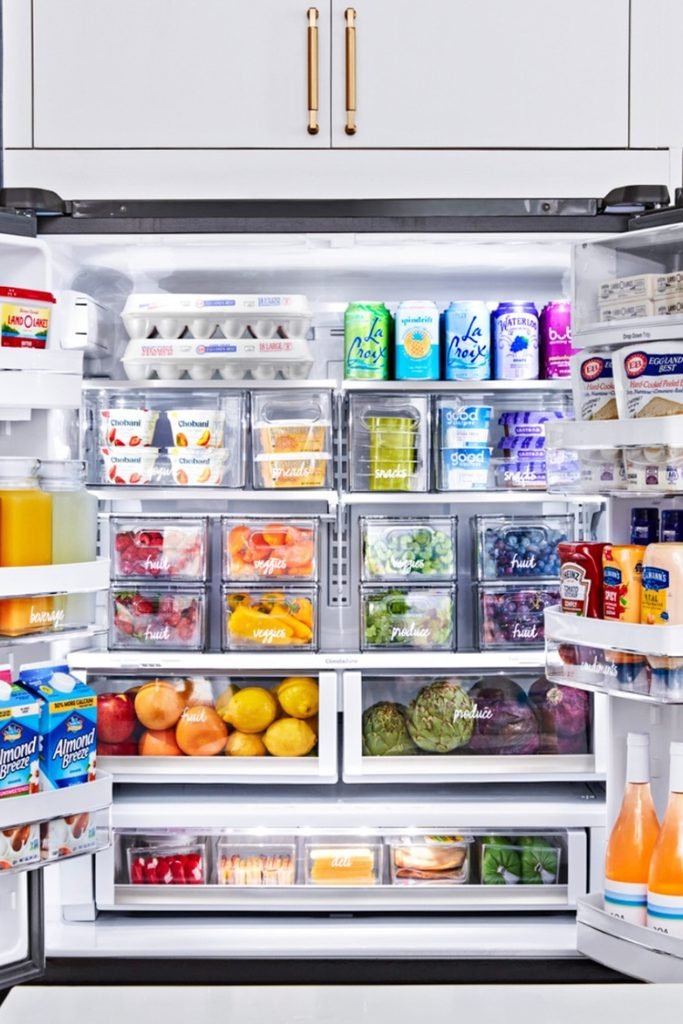
Restocking into fixed zones also keeps new groceries from disrupting the visibility and temperature system you already created.
1. Check the Eat-Me-First Bin
Look through your Eat-Me-First bin before making the grocery list so you know which foods need using soon.
This helps you plan meals around older ingredients instead of buying replacements while perfectly usable food is still waiting.
You also reduce duplicate purchases because you can clearly see what needs finishing and what actually needs restocking.
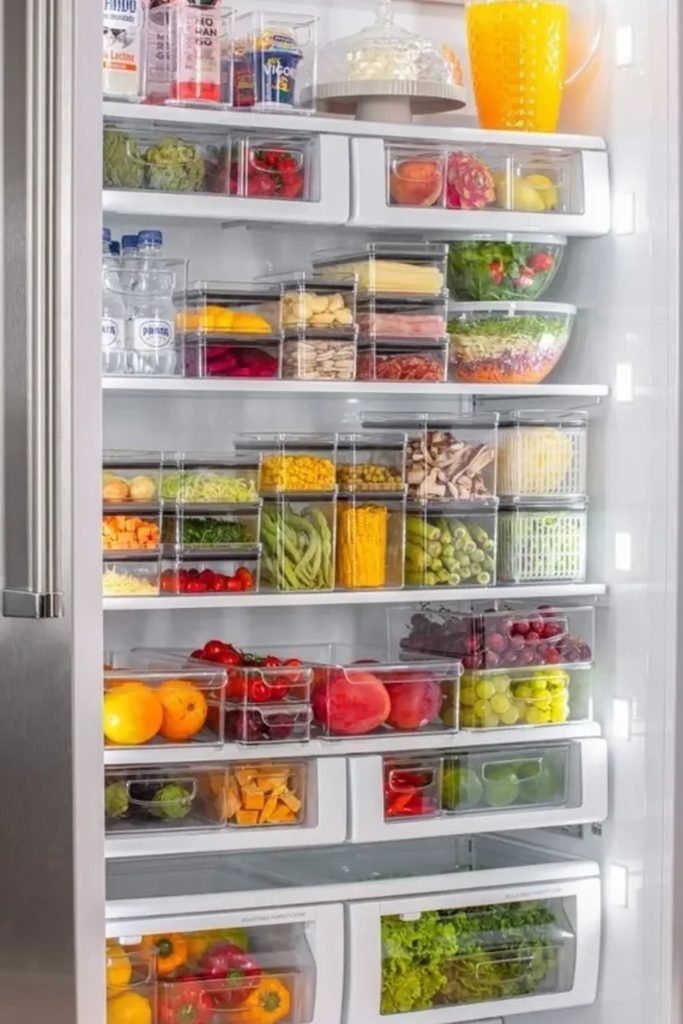
2. Restock With a Fixed Spot Rule
Give every regularly purchased item a permanent zone so new groceries always return to the same place.
Avoid placing items wherever empty space appears, because random storage quickly breaks visibility and temperature-based organization.
Fixed spots make restocking faster while helping everyone find food easily and notice when a staple is running low.
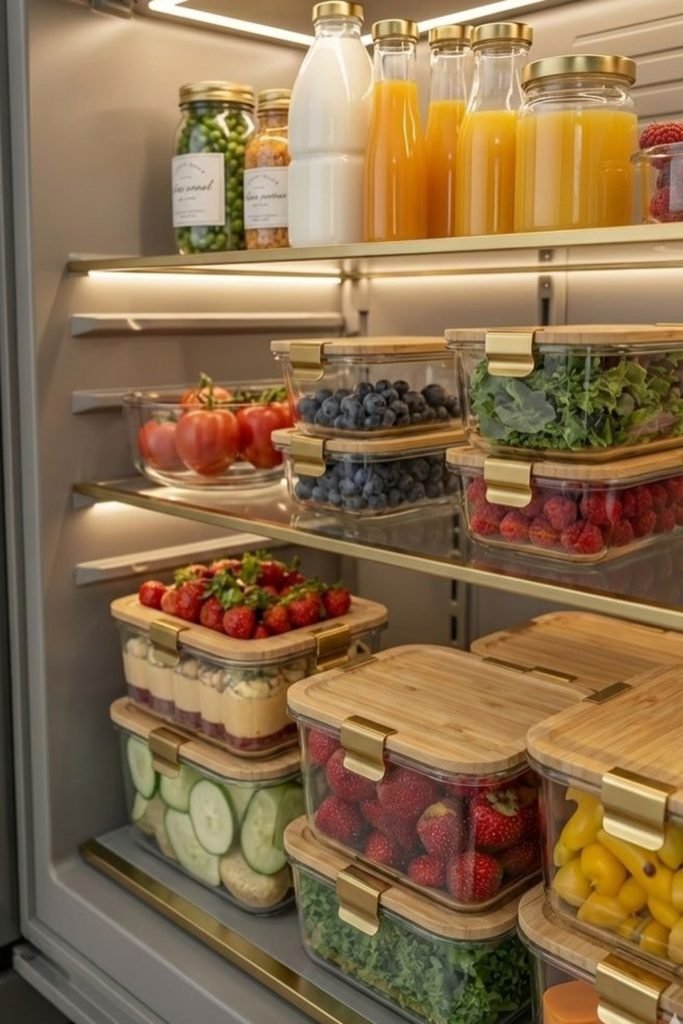
Weekly Fridge Organization Checklist
Conclusion
A well-organized fridge should do more than look tidy, it should help food stay fresh, visible, & easier to use.
Organizing around temperature zones keeps sensitive foods in the places where they can maintain their quality longer.
Visibility systems like front-row leftovers, Eat-Me-First bins, & regular rotation prevent forgotten food from quietly turning into waste.
With a simple weekly check and consistent restocking habits, your fridge can save both food & grocery money.
FAQs
What’s the Coldest Part of a Fridge?
The bottom shelf, especially toward the back, is generally the coldest part of most refrigerators.
This makes it a suitable place for highly perishable foods such as raw meat, poultry, and fish.
You can keep these foods sealed in containers or trays to prevent leaks and reduce the risk of cross-contamination.
How Do You Stop Food From Getting Lost in the Fridge?
Keep foods that need using soon at eye level or in a dedicated Eat-Me-First section.
Move older items toward the front whenever you add new groceries so they remain easy to notice.
Clear containers, fixed storage zones, and a weekly fridge scan also help prevent forgotten food from spoiling.