A messy purse usually isn’t the result of carrying too much, it happens because everyday essentials don’t have an easy-to-reach place.
The bigger problem is retrieval speed & bag-switching, where keys, cards, or small essentials disappear whenever you change purses.
These purse organization ideas focus on an access-based system that keeps frequently used items reachable & makes transferring essentials much simpler.
Let’s jump in!
Why Can You Never Find Your Keys Even in a Neat Purse?
A purse can look perfectly tidy & still leave you digging around every time you need something important.
Being tidy only means things look arranged, while real organization means each essential has one fixed, predictable spot.
Your keys might sit at the bottom today, inside a pocket tomorrow, or simply float loose among everything else.
Without a consistent location, your brain has to search the entire purse every single time you need them.
The solution is giving the essentials a permanent home inside your purse instead of simply rearranging everything until it looks neat.
Things Go Missing When You Switch Bags
You can switch from a work tote to a smaller crossbody or evening purse often means moving several everyday essentials at once.
That is where “bag-switching amnesia” happens, you remember changing the bag but forget one or two important items inside the old one.
The problem usually happens because there is no fixed transfer checklist or routine telling you exactly what needs to move.
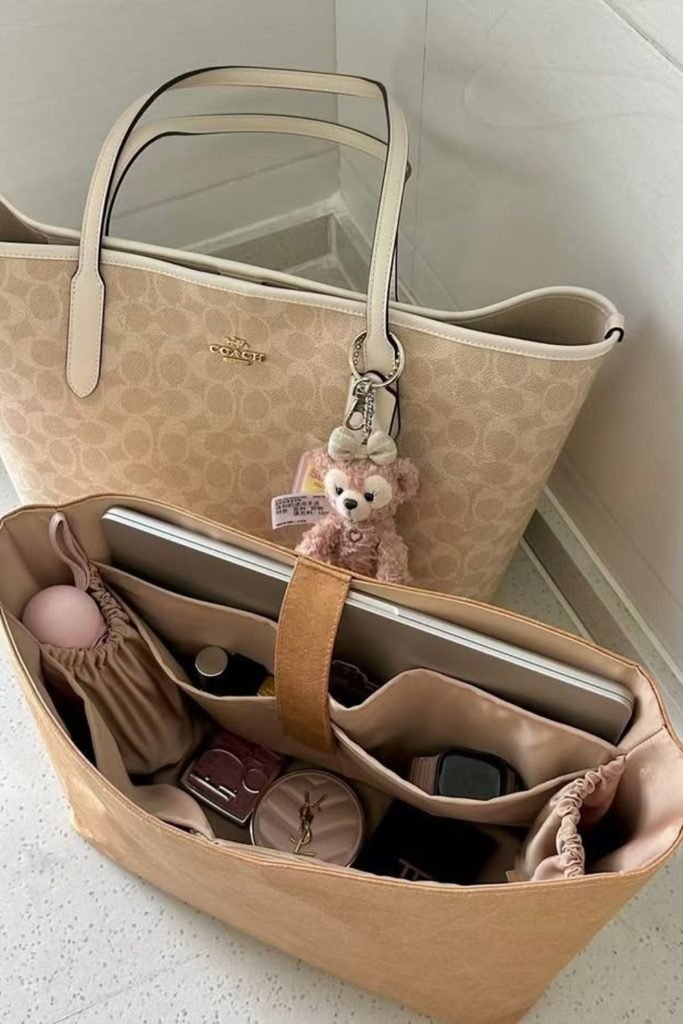
Your ID, bank card, keys, medication, or another small essential can easily stay behind in the purse you used yesterday.
This is really a gap in your switching habit rather than proof that your bags need more pockets or storage space.
A simple transfer system can remove that guesswork, and we will build one later so switching purses becomes almost automatic.
Purse’s Layout Should Decide Where Things Go
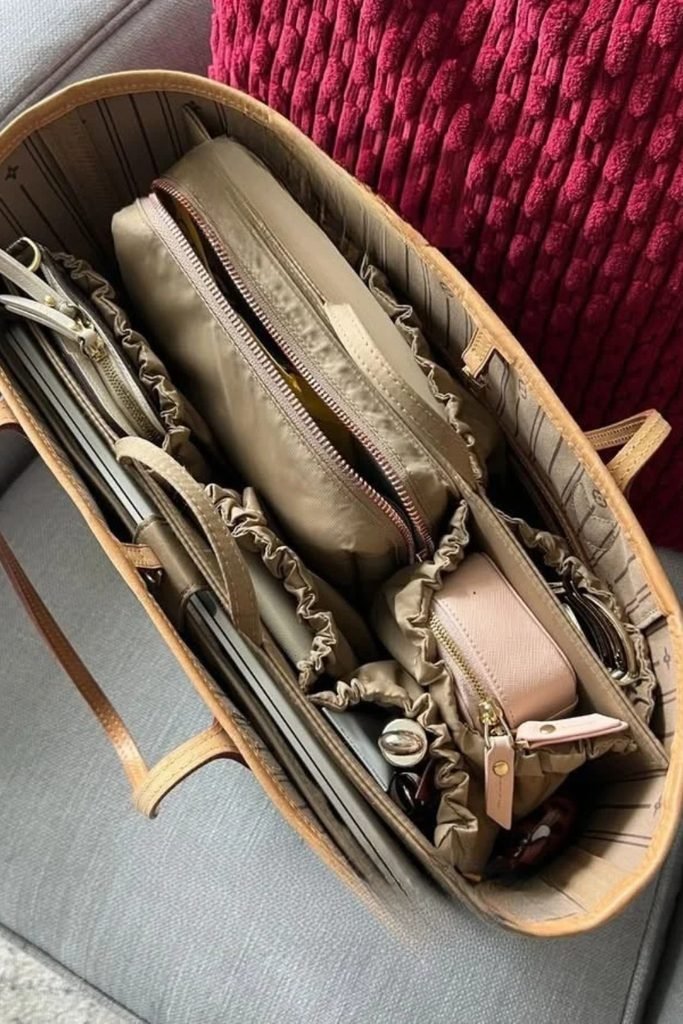
Every purse naturally has different zones, from easy-to-reach areas near the top to deeper spaces that take more effort to access.
Each zone offers a different level of accessibility, so the items stored there should match how quickly you usually need them.
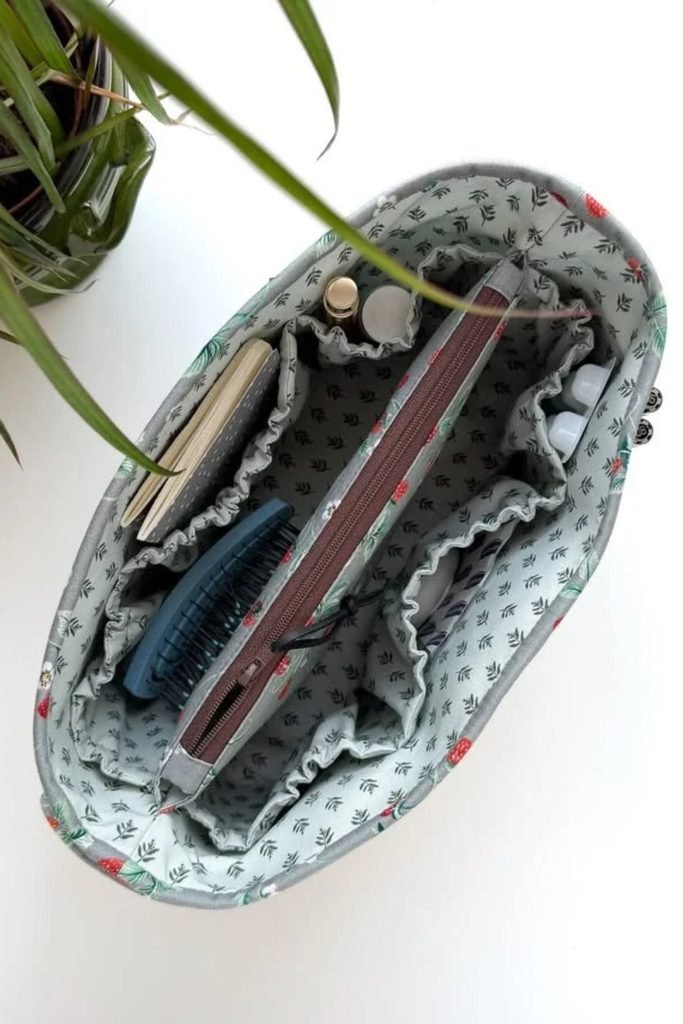
When things are placed randomly, you end up searching multiple pockets and layers even when the purse itself looks neatly arranged.
A zone-based system creates muscle memory, so your hand gradually learns exactly where to reach for each everyday essential.
1. Top-Layer Zone
Keep your phone and keys in the top layer because these are usually the first things you need throughout the day.
They should be easy enough to grab almost without looking, especially when you are walking, carrying something, or in a hurry.
Limit this zone to two or three essentials because overcrowding it turns instant access into another pile you have to search.
2. Middle Zone
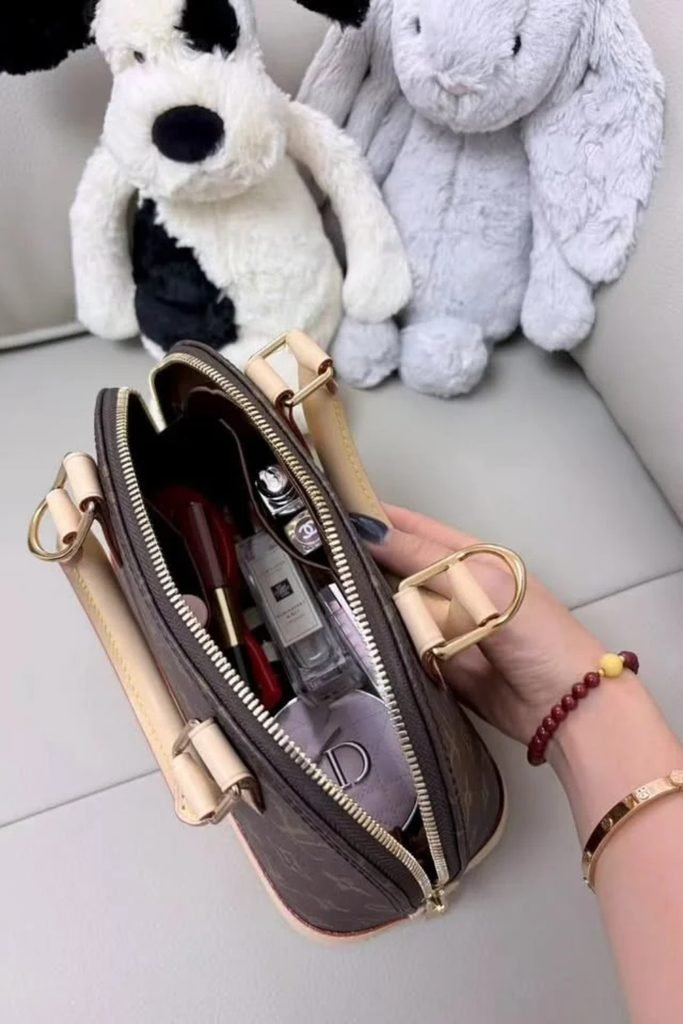
Use the middle section for your wallet, sunglasses, and hand sanitizer, things you reach for a few times during the day.
They do not need instant access like your keys, but they should still be reachable without emptying the entire purse.
Keep these items inside one small pouch so the middle zone stays contained instead of slowly becoming another messy layer.
3. Bottom Zone
Reserve the bottom for extra supplies, receipts, or a small emergency kit that you do not normally need in a hurry.
Because these items are used less often, placing them deeper keeps faster-access areas available for things you reach for regularly.
Check this zone once a week because rarely used spaces can quickly become collection points for old receipts and forgotten junk.
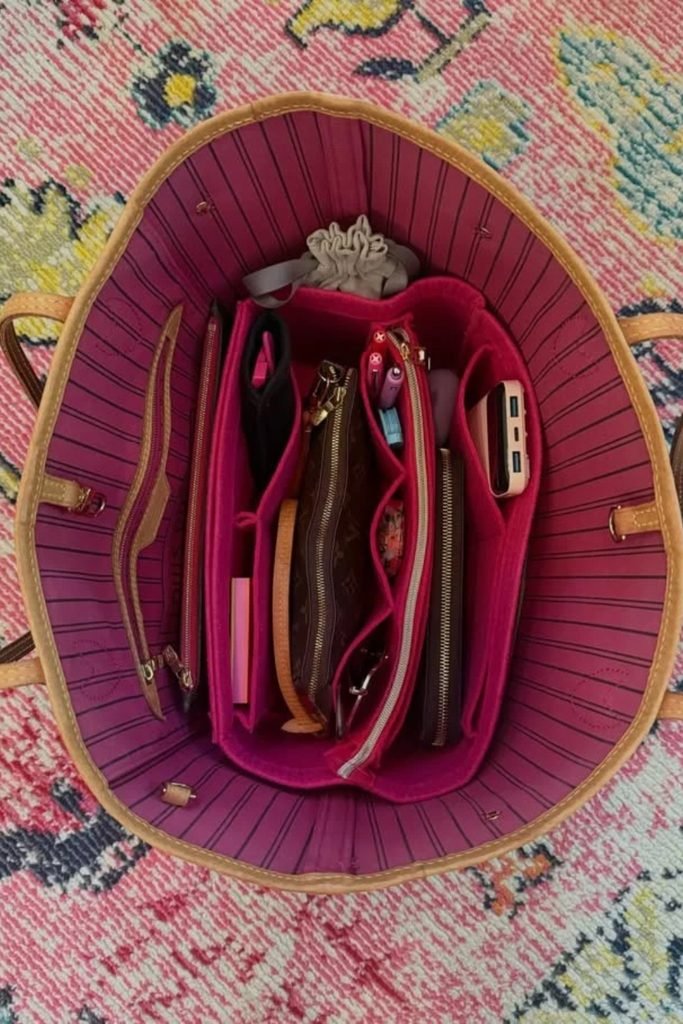
4. Outer/Side Pockets
Use outer or side pockets for cards, a transit pass, or other small essentials you want without opening the purse.
These pockets work best for items you may need while moving, paying quickly, or passing through public transport checkpoints.
Stick to flat items here because bulky objects can stretch the pocket, create awkward lumps, and make quick retrieval harder.
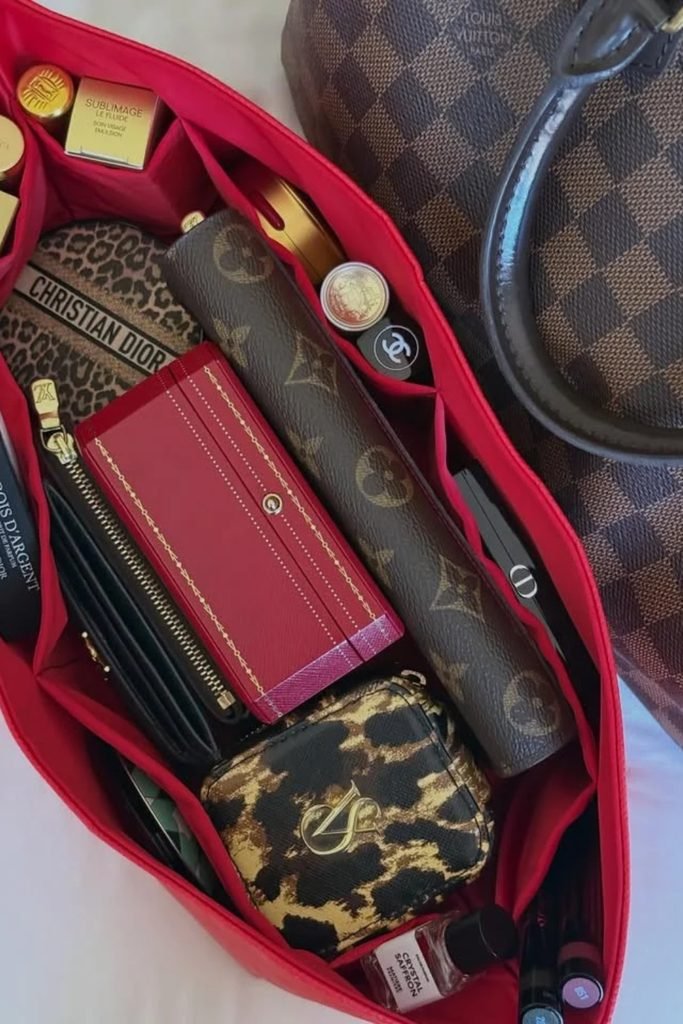
Organizing by Reach Speed
Traditional purse organization usually groups items by category, such as keeping makeup, documents, and electronics together in separate sections.
A faster system organizes according to reach speed instead, meaning items are placed based on how quickly you need to access them.
This simple change reduces retrieval time because frequently needed essentials stay closest while occasional items remain grouped farther away.
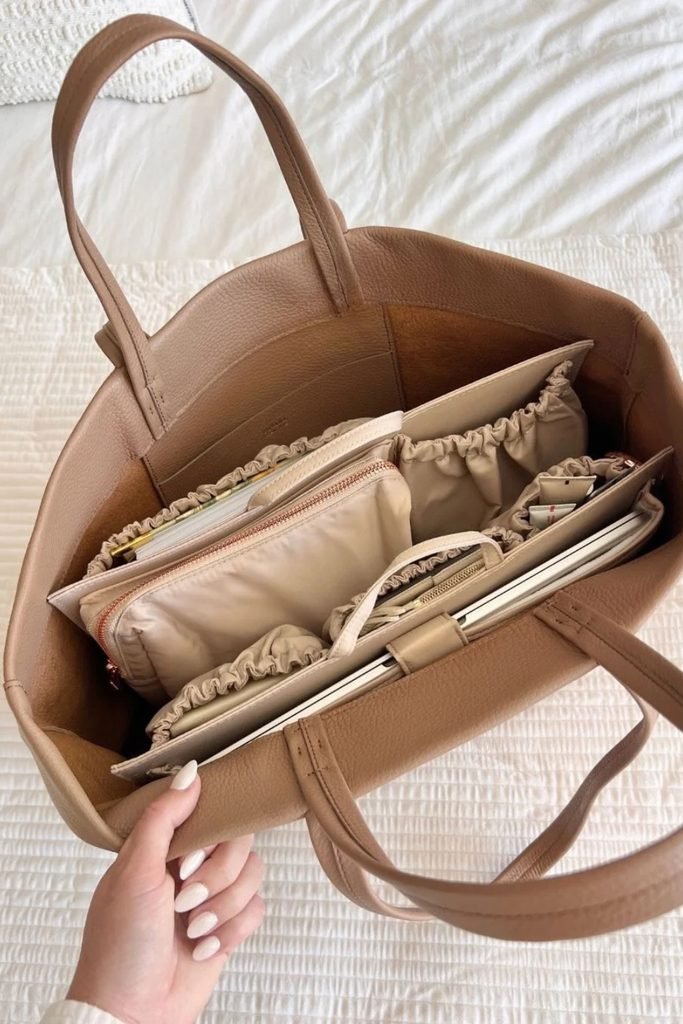
1. The 3-Second Rule Items
Any item you regularly need should take no more than about three seconds to locate and pull from your purse.
Keys, your phone, and frequently used cards belong in this group because delays with these items quickly become frustrating.
Give each one a fixed top-level spot and never move it deeper just because another empty pocket happens to be available.
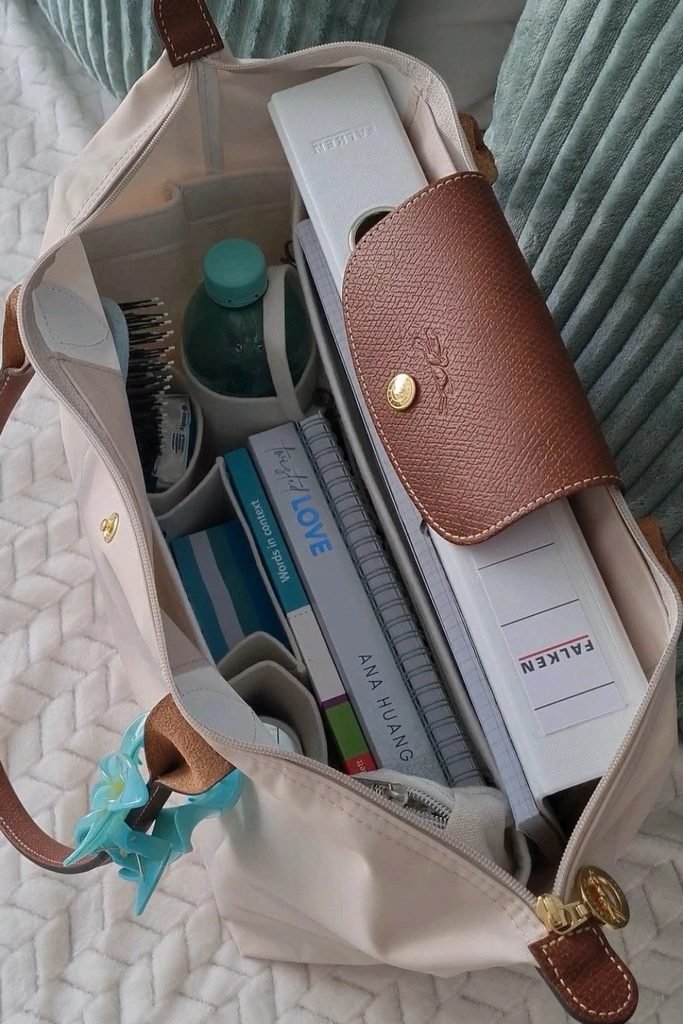
2. The Occasional-Use Pouch
Put makeup, medicine, and other occasional extras together in one pouch rather than letting them spread throughout different purse compartments.
Keeping them contained prevents small items from mixing with everyday essentials and creating unnecessary clutter in your faster-access zones.
When you need something, you can remove one pouch and see everything together instead of searching for each individual item separately.
3. The “Just in Case” Zone
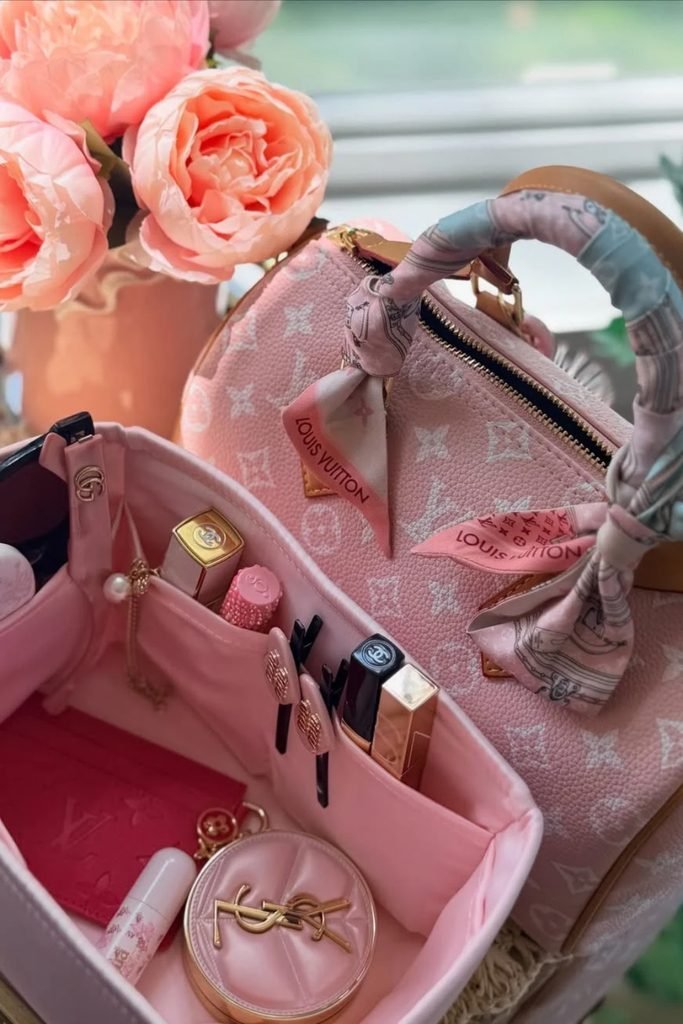
Keep small backup items such as bandages, mints, hairpins, or safety pins together for moments when something unexpected happens.
This zone exists for occasional emergencies, not everyday access, so these items do not need valuable space near the purse opening.
Use one small fixed compartment and avoid expanding it, or “just in case” items will gradually take over the entire bag.
Set Up a Transfer System
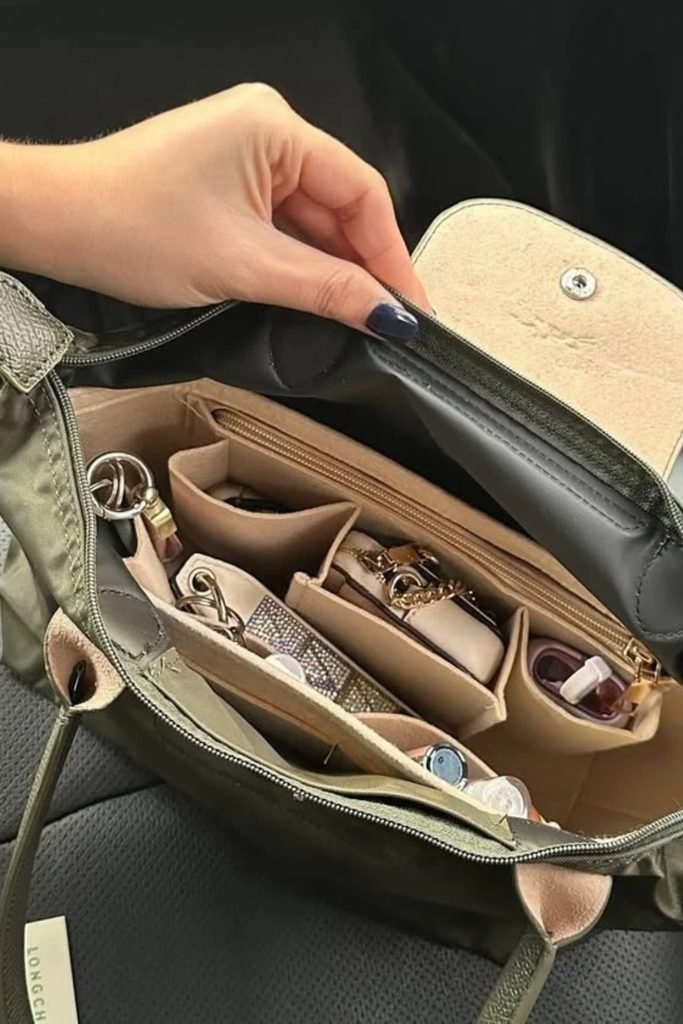
The easiest way to stop forgetting things when switching bags is to use the same fixed transfer checklist every single time.
Start by defining your “must-move” essentials, such as keys, wallet, phone, ID, and the cards you use regularly.
A pouch system makes switching faster because an entire group of essentials can move together instead of being transferred separately.
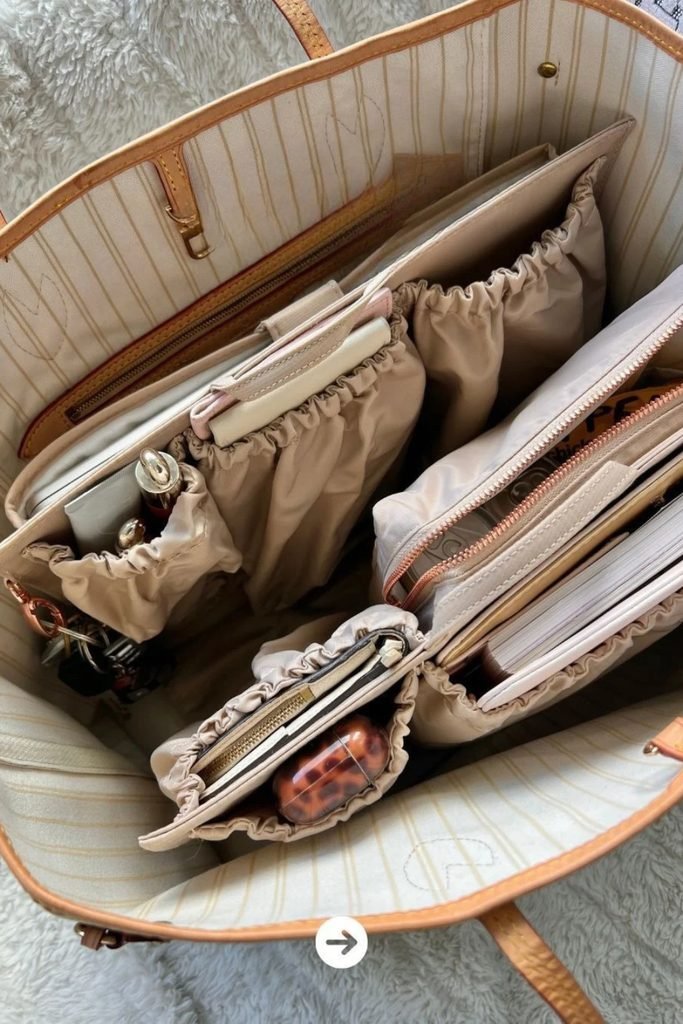
Item-by-item transfer relies on memory, while zone-by-zone transfer lets you move complete groups without mentally checking every small object.
With the same checklist and transfer zones each time, important essentials are far less likely to remain behind in your previous bag.
Which Items Actually Need to Be in Every Bag?
Not everything you own needs to follow you into every purse, so separate everyday essentials from items needed only occasionally.
This keeps your transfer checklist shorter while preventing situational extras from permanently occupying valuable easy-access space.
| Item Type | Always Carry or Situational | Why |
| ID/cards | Always carry | A daily necessity for payments, identification, and regular errands. |
| Umbrella | Situational | Carry it when weather requires it; otherwise keep it near the door for easy grabbing. |
| Extra makeup | Situational | Add it when you expect a longer outing, event, or situation where touch-ups may be needed. |
| Hand sanitizer | Always carry | A basic hygiene essential that is useful during everyday errands and travel. |
| Charger | Situational | Carry it mainly for longer outings when your phone may need extra power before you return home. |
Using Pouches and Organizers Without Adding Bulk
Pouches can make retrieval faster, but oversized organizers often create more bulk than the loose items they are supposed to control.
The goal is to group related essentials without changing the purse’s shape, weight, or available space more than necessary.
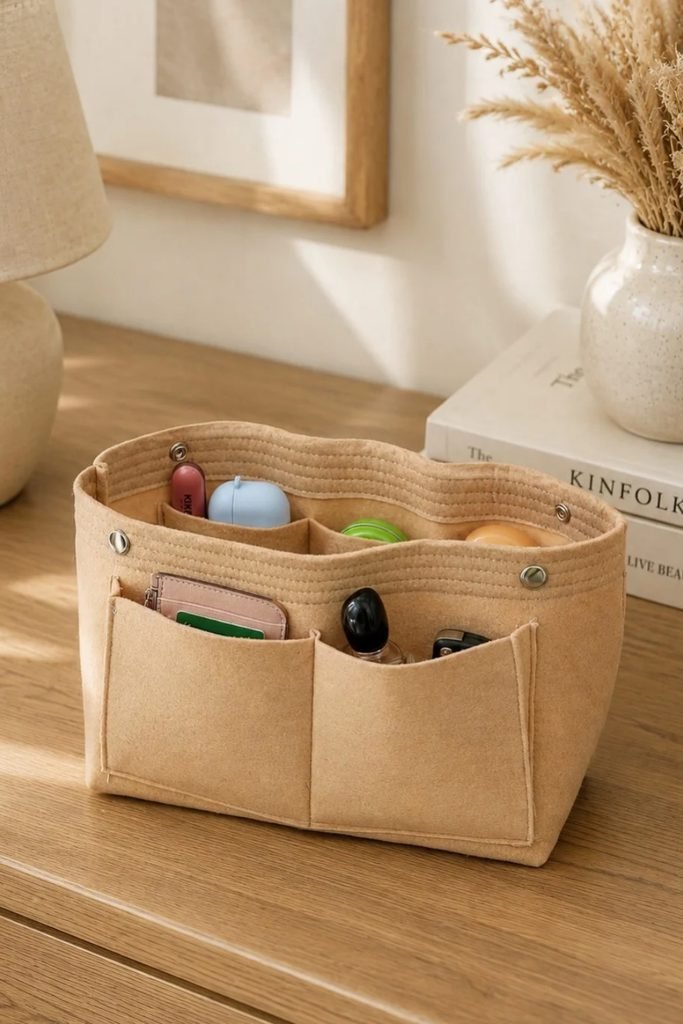
Choose slim organizers that fit naturally into your existing zones instead of turning the entire purse into a collection of bulky compartments.
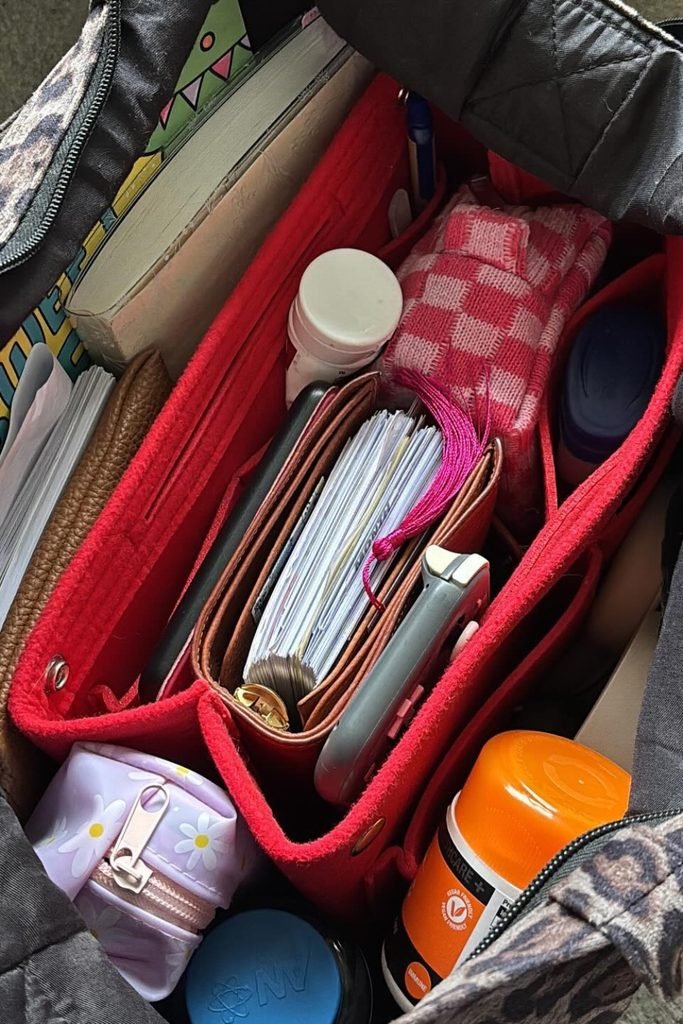
1. Flat Pouches for Documents/Cards
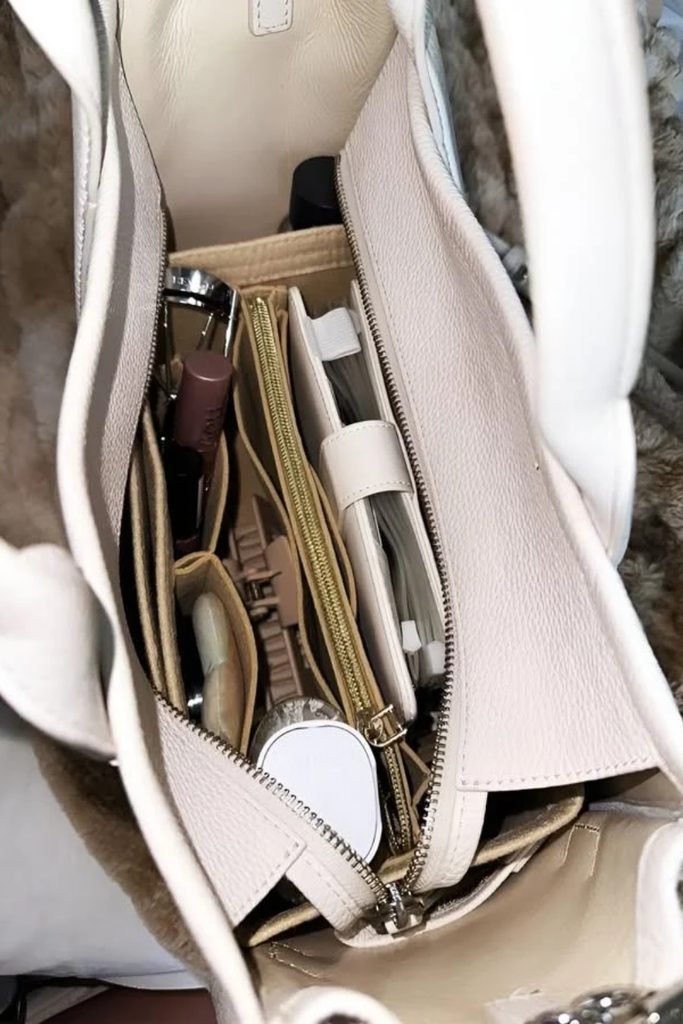
Choose a slim pouch made from lightweight, non-bulky fabric so cards and documents stay together without creating unnecessary thickness.
A flat design follows the natural shape of your purse instead of pushing outward and making the bag look overfilled.
Place it flat in the middle or top zone where documents and frequently used cards can remain easy to reach.
2. Zippered Pouches for Small Loose Items
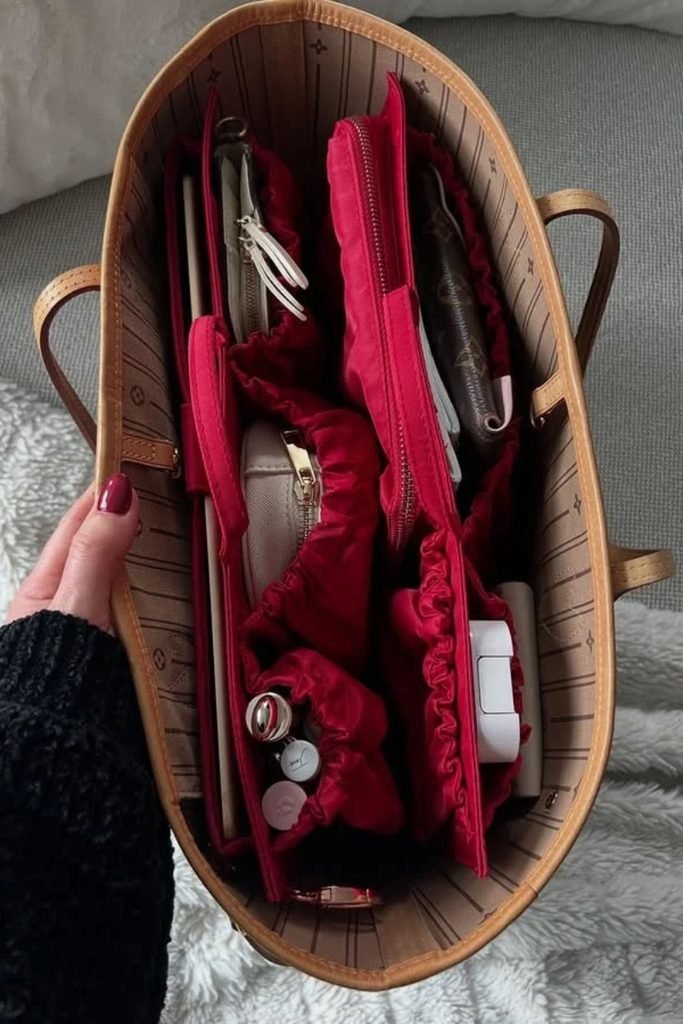
Use a small zippered pouch for coins, spare keys, hairpins, and other tiny items that easily disappear inside your purse.
The zipper keeps loose pieces contained instead of allowing them to scatter across the bottom and mix with larger belongings.
Keeping everything zipped together also speeds up retrieval because you only need to find one pouch rather than several tiny objects.
Keep Tech Item Tangle-Free
Tech items become harder to retrieve when cables, earbuds, and chargers are mixed loosely with everything else inside the purse.
Giving these items their own fixed space keeps cords controlled while also protecting screens and accessories from unnecessary rubbing or scratches.
A simple tech zone makes grabbing your charger or earbuds faster because you already know exactly where every device-related item belongs.
1. The Dedicated Tech Pocket Rule
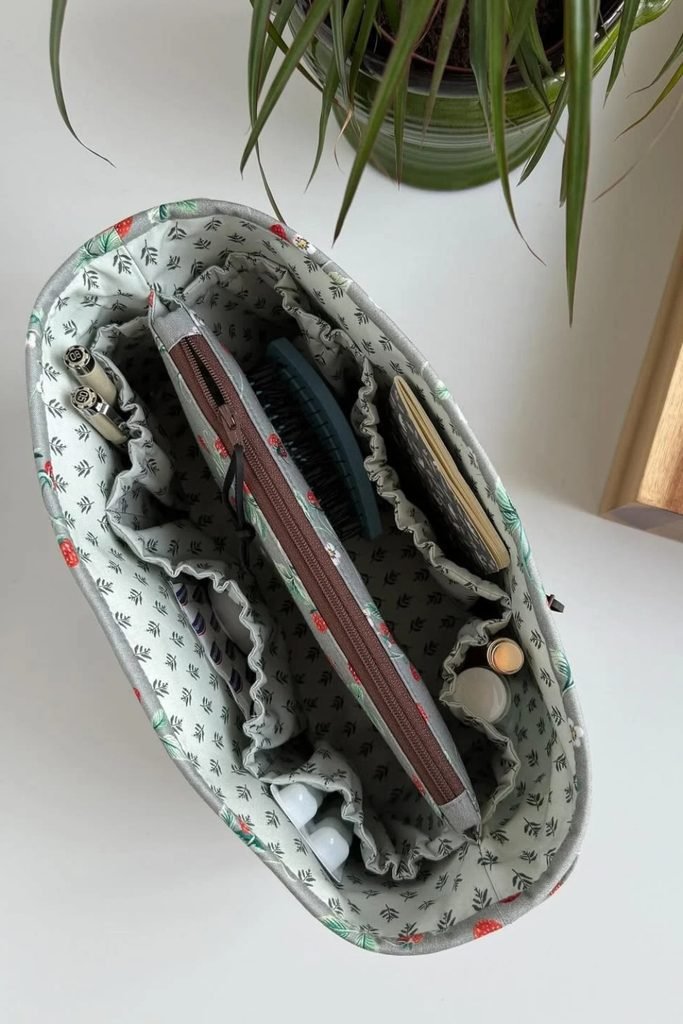
Choose one fixed pocket specifically for your phone, charger, earbuds, or other small tech accessories you regularly carry.
Keep makeup, snacks, receipts, and unrelated items out of this pocket so the space stays predictable and easy to search.
Separating tech also prevents cables from tangling around other belongings while reducing the chance of devices getting scratched or damaged.
2. Cable Wrap or Small Case Trick
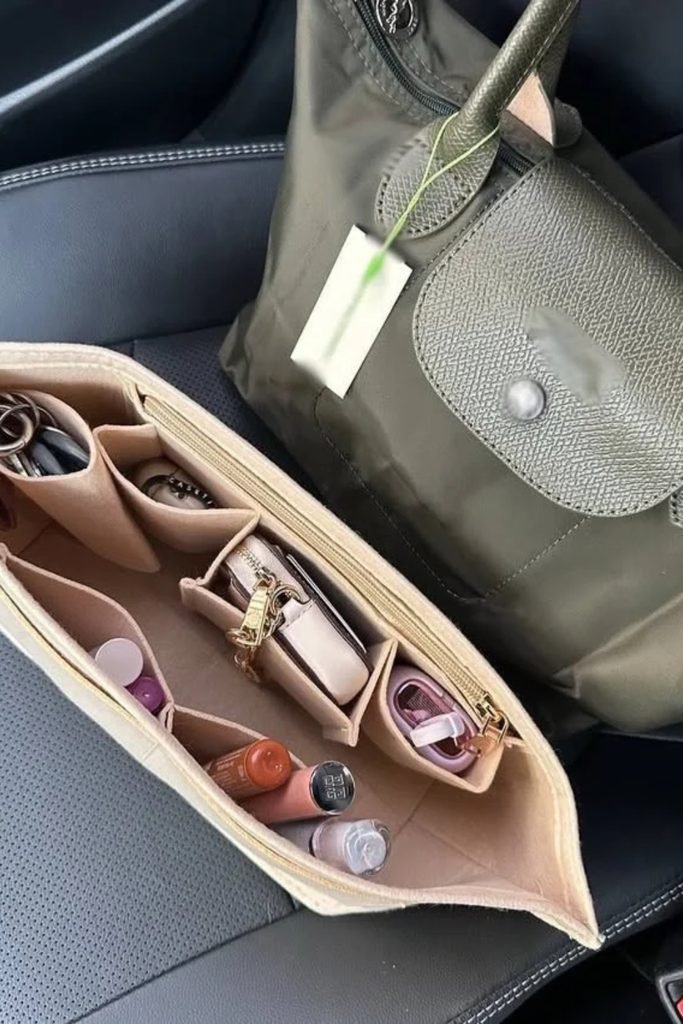
Use a small case, cable pouch, or simple Velcro wrap to keep charging cords neatly bundled instead of loosely coiled.
Keeping the cable secured prevents knots and tangles from forming while it moves around inside your purse throughout the day.
It also saves retrieval time when you are in a hurry because the cable comes out ready to use immediately.
What to Do With Everyday Clutter?
Micro-clutter usually comes from small things like receipts, wrappers, and notes that quietly build up without you noticing.
Create one dedicated “trash pocket” where temporary clutter can go instead of spreading across different sections of your purse.
Put every disposable or short-term item into this pocket so the rest of your purse stays clean, predictable, and easy to search.
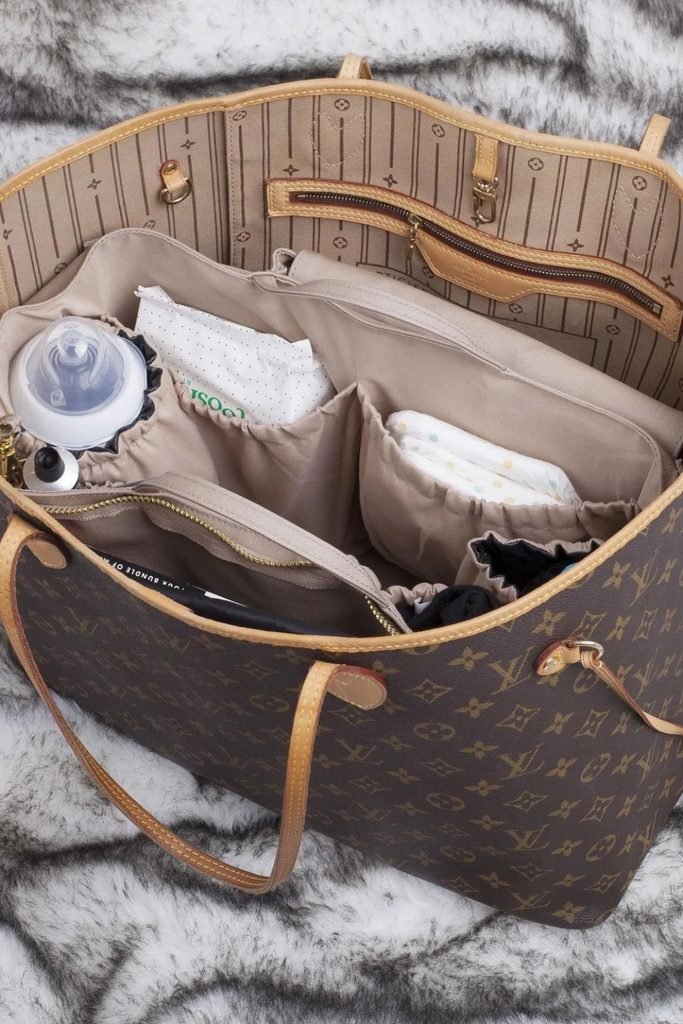
Set a weekly reminder to empty this pocket before the clutter becomes heavy enough to slow down your organization system.
This simple habit keeps unnecessary buildup under control and stops your purse from constantly feeling heavier and fuller than it should.
The Restock Routine
Even a well-organized purse can slowly overflow when new items keep entering but nothing regularly gets removed.
A simple restock routine helps you reset the bag before clutter starts interfering with your fixed zones and retrieval speed.
The goal is to keep only useful essentials inside while removing anything that no longer deserves permanent purse space.
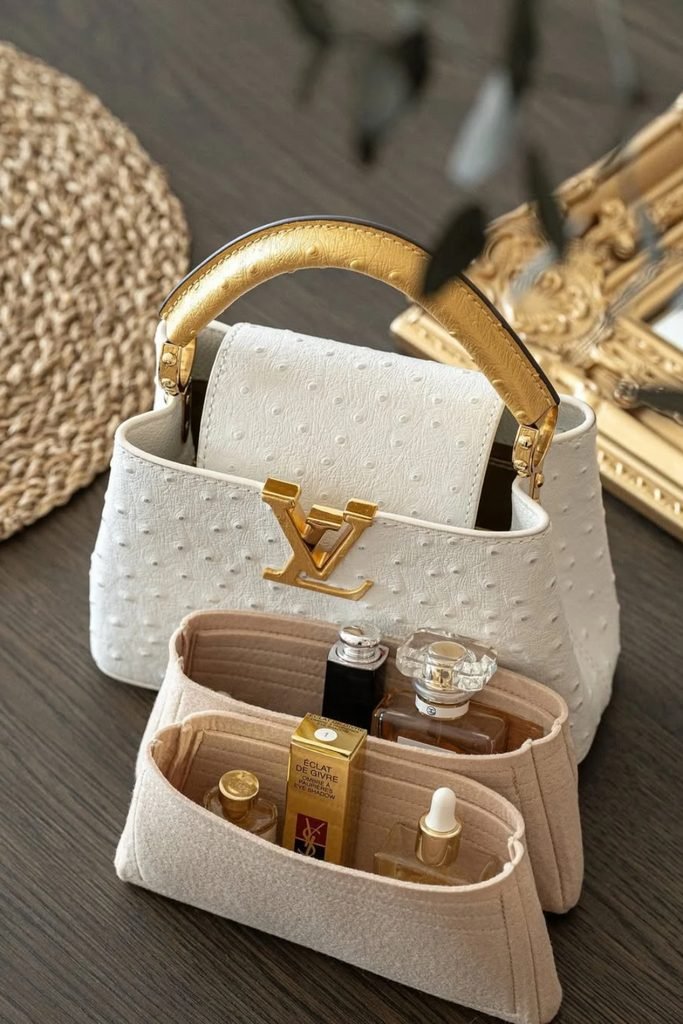
1. Weekly Empty-and-Check
Empty the entire purse once a week so you can clearly see everything that has collected inside since your last reset.
Put back only the essentials and situational items you genuinely expect to use during the coming days.
Evaluate everything else before returning it, asking whether it still needs purse space or should be stored, discarded, or removed.
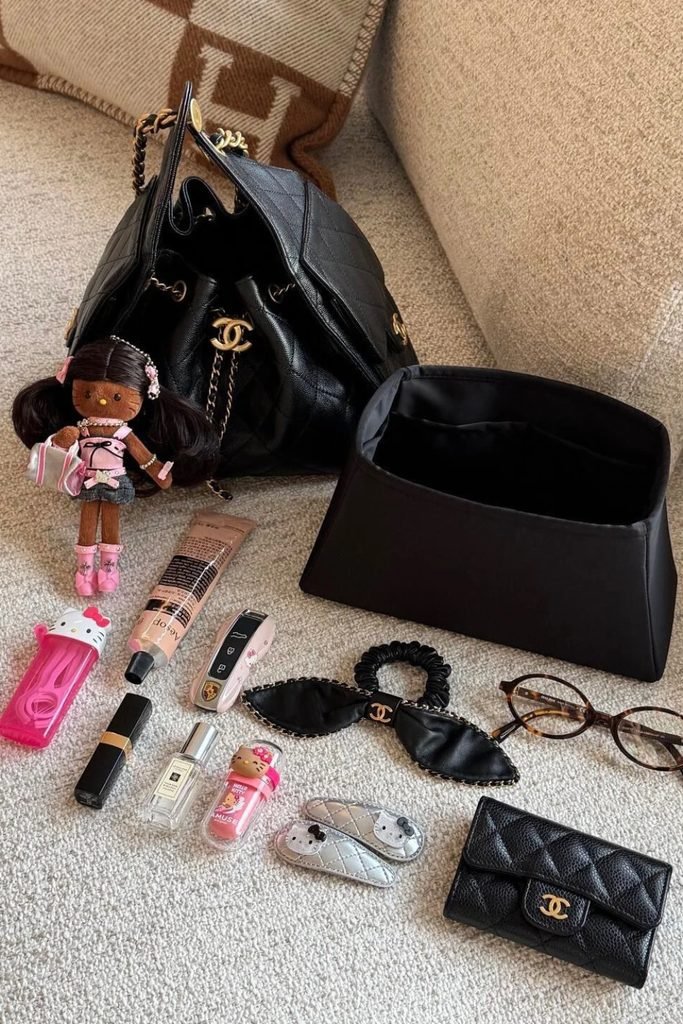
2. One In, One Out Rule
Before adding a new non-essential item to your purse, check whether something older can be removed at the same time.
Start with receipts, wrappers, outdated notes, empty packaging, or extras that have stayed inside without serving any real purpose.
This one-in, one-out habit prevents gradual overflow and keeps your purse within the same manageable organization system over time.
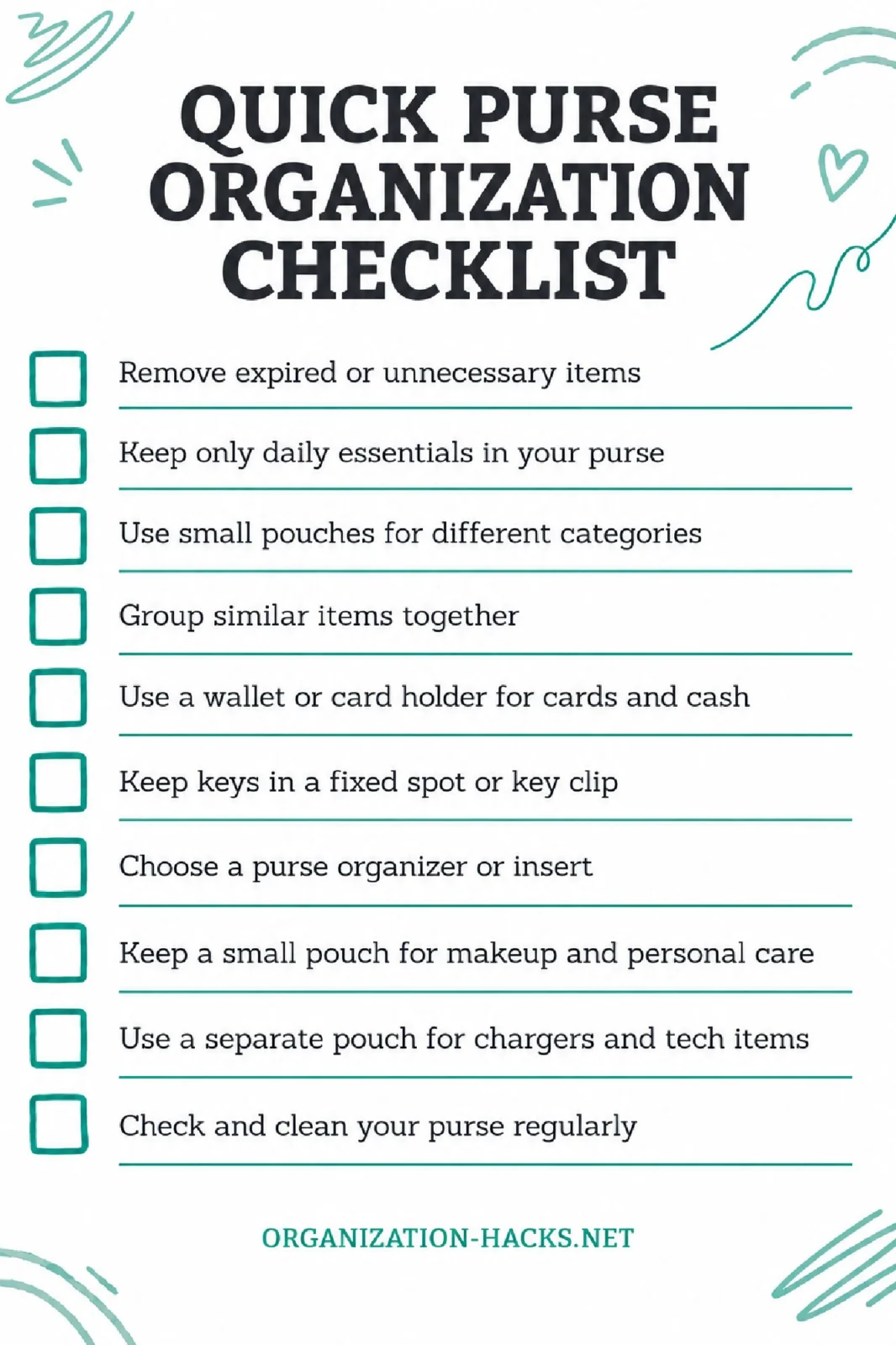
Quick DIY Purse Organization Checklist
Conclusion
Purse organization works best when the goal is faster access, not simply fitting everything neatly inside the bag.
Fixed zones, predictable item homes, and grouped pouches make everyday essentials easier to find without unnecessary searching.
A simple transfer system also makes switching bags safer because important items move together instead of relying on memory.
You can keep the system consistent, reset it regularly, & your purse stays easier to use without turning organization into extra work.
FAQs
How Do You Stop Losing Things in a Big Purse?
Give frequently used items fixed zones instead of letting them move around inside the larger space.
Use smaller pouches for loose items, and keep keys, phone, and cards in the same easy-access locations every day.
What’s the Best Way to Switch Bags Without Losing Items?
Create a short must-move checklist for essentials like keys, wallet, phone, ID, and frequently used cards.
Group smaller belongings into transferable pouches so you can move complete zones between bags instead of remembering every item individually.